
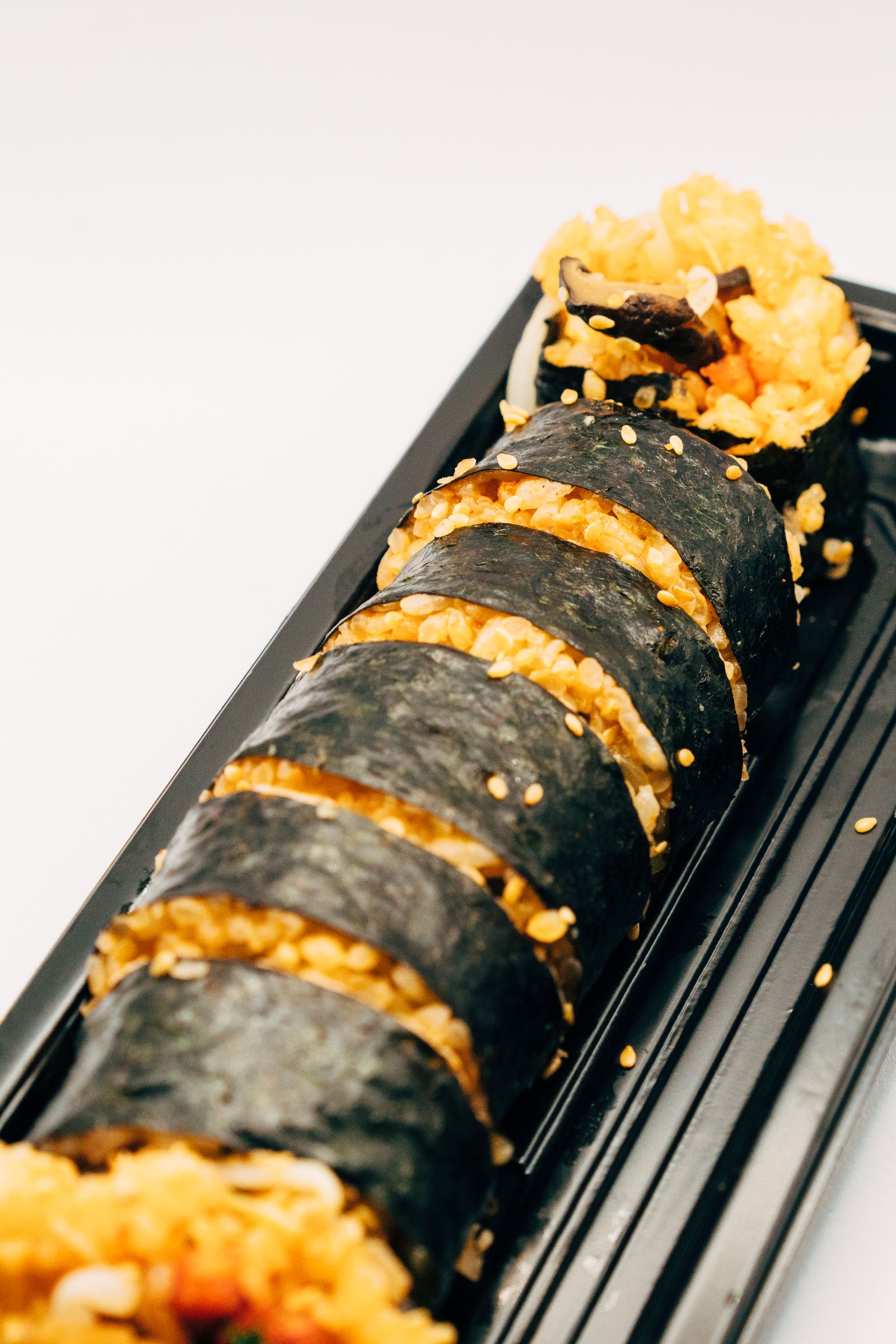
While Korean ramen dominates K-Food’s export headlines by sheer dollar volume, a smaller category has posted the sector’s most dramatic growth rate: frozen kimbap and related ready-to-eat convenience foods saw export value climb 180.9% year-over-year, even though the category’s total dollar value — roughly $1.5 million — remains modest next to instant noodles’ multi-billion-dollar export figures.
The frozen kimbap surge traces back to a viral moment in Western grocery markets, particularly the United States, where a specific frozen kimbap product sold out repeatedly at major retail chains after social media attention turned the item into a genuine consumer phenomenon rather than a niche ethnic-food purchase — a rare case of a traditionally homemade Korean dish successfully translating into a mass-market frozen food product abroad.
Korean food manufacturers have moved quickly to capitalize on the momentum, expanding frozen kimbap product lines and production capacity to meet retail demand that industry watchers describe as still growing rather than leveling off, even as the initial viral moment that launched the category’s international breakout recedes further into the past.
The category’s growth also reflects broader momentum across Korea’s ready-to-eat food exports, including mandu (dumplings), tteokbokki (spicy rice cakes), samgyetang (ginseng chicken soup), and rice cakes more generally — all product categories that industry data shows gaining export traction alongside kimbap and ramen as Korean convenience and comfort foods find broader international retail placement beyond Korean specialty grocers.
For a category that started essentially as a social-media accident, frozen kimbap’s export trajectory has become a case study Korean food companies now study directly when trying to identify which traditionally homemade dishes might have similar mass-market export potential.
Source: Korea’s K-Food Plus export data on frozen convenience foods (즉석섭취식품), first-half 2026.