
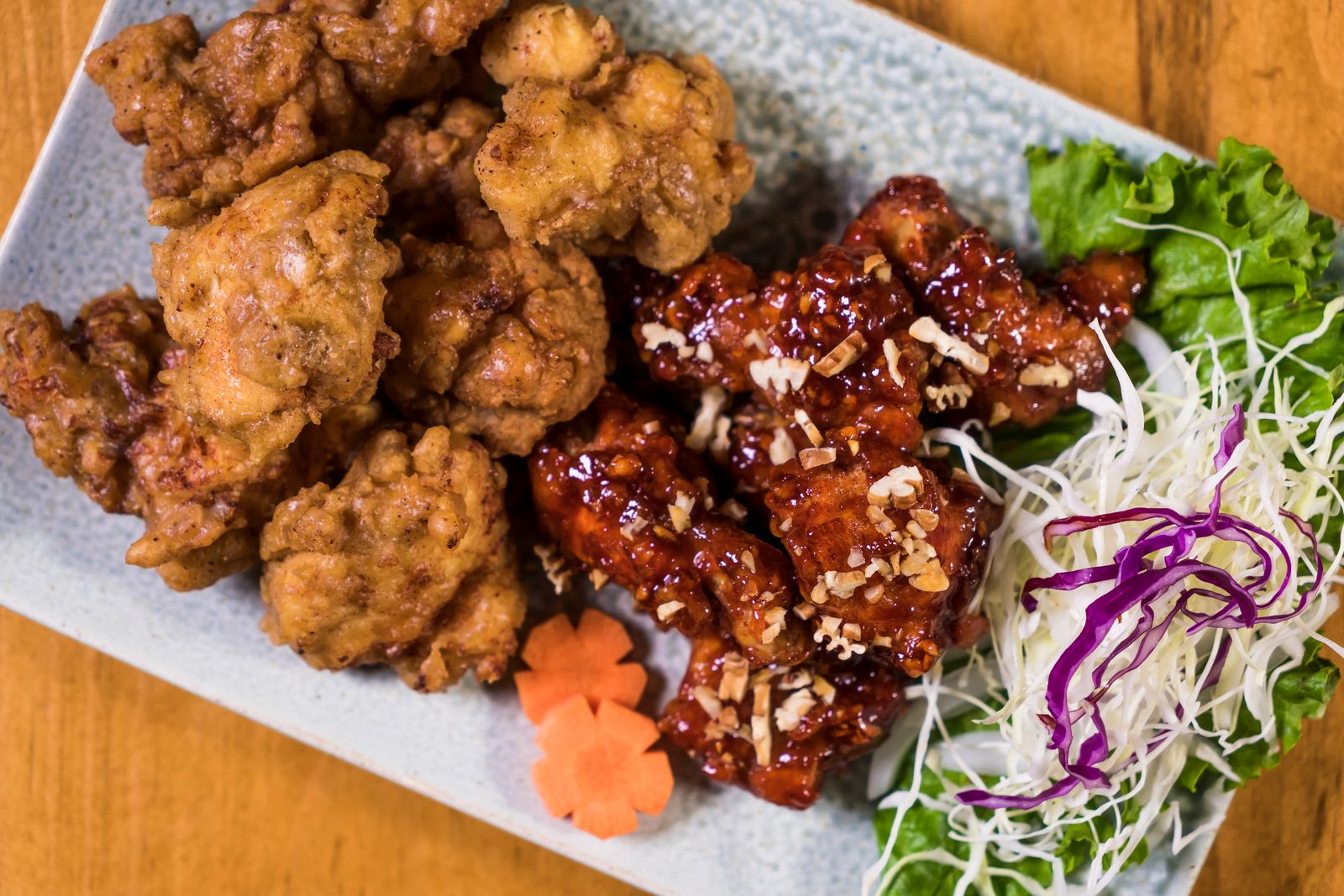
With Korea’s domestic fried-chicken market saturated, Korean chicken chains are treating the current wave of global K-content popularity as a “golden window” for overseas expansion, according to a June 12 report by Etoday reporter Jung Young-in. The strategy that’s emerged isn’t simple replication — it’s precise, country-by-country localization of everything except the food itself.
BBQ, running roughly 800 stores across 57 countries, has ranked among Nation’s Restaurant News’ 25 fastest-growing US restaurant chains three times — 5th in 2021, 2nd in 2022, 7th in 2023 — while keeping its core Korean flavor unchanged and localizing operations instead: drive-through and takeout-heavy formats in its largest market, the US, as a base for further expansion into Europe, India, and Latin America. BHC has gone further on format diversity alone: full-service “fine dining” in Taiwan, casual restaurant seating in Thailand, pickup-focused mall kiosks in Indonesia, and a sandwich-and-combo “meal format” at its Fort Lee, New Jersey location built around local one-meal, takeout-heavy eating habits. Both chains have added Korean side dishes — kimchi fried rice, sundubu-jjigae, tteokbokki — to overseas menus, positioning themselves as broader K-food platforms rather than single-item exports.
Kyochon Chicken, running about 80 stores across six countries, has taken the opposite approach on the food itself: it keeps its signature soy, red, and honey flavor lines essentially unchanged, betting that the “sweet-and-salty” flavor profile Korean-style chicken pioneered travels well as-is, while adjusting menu extras and marketing locally. Its US flagship location underwent a renewal last year adding traditional Korean design elements and automation technology, aimed at delivering the full “chimaek” (chicken-and-beer) brand experience intact, while in markets like Malaysia the company has leaned into delivery-first operations instead. Site selection matters as much as format: companies are prioritizing locations in New York, Taipei, and Kuala Lumpur that draw both tourists and local regulars, though rising imitation and copycat brands overseas are becoming a real quality-control challenge as store counts grow.
Source: Jung Young-in, Etoday, June 12, 2026.