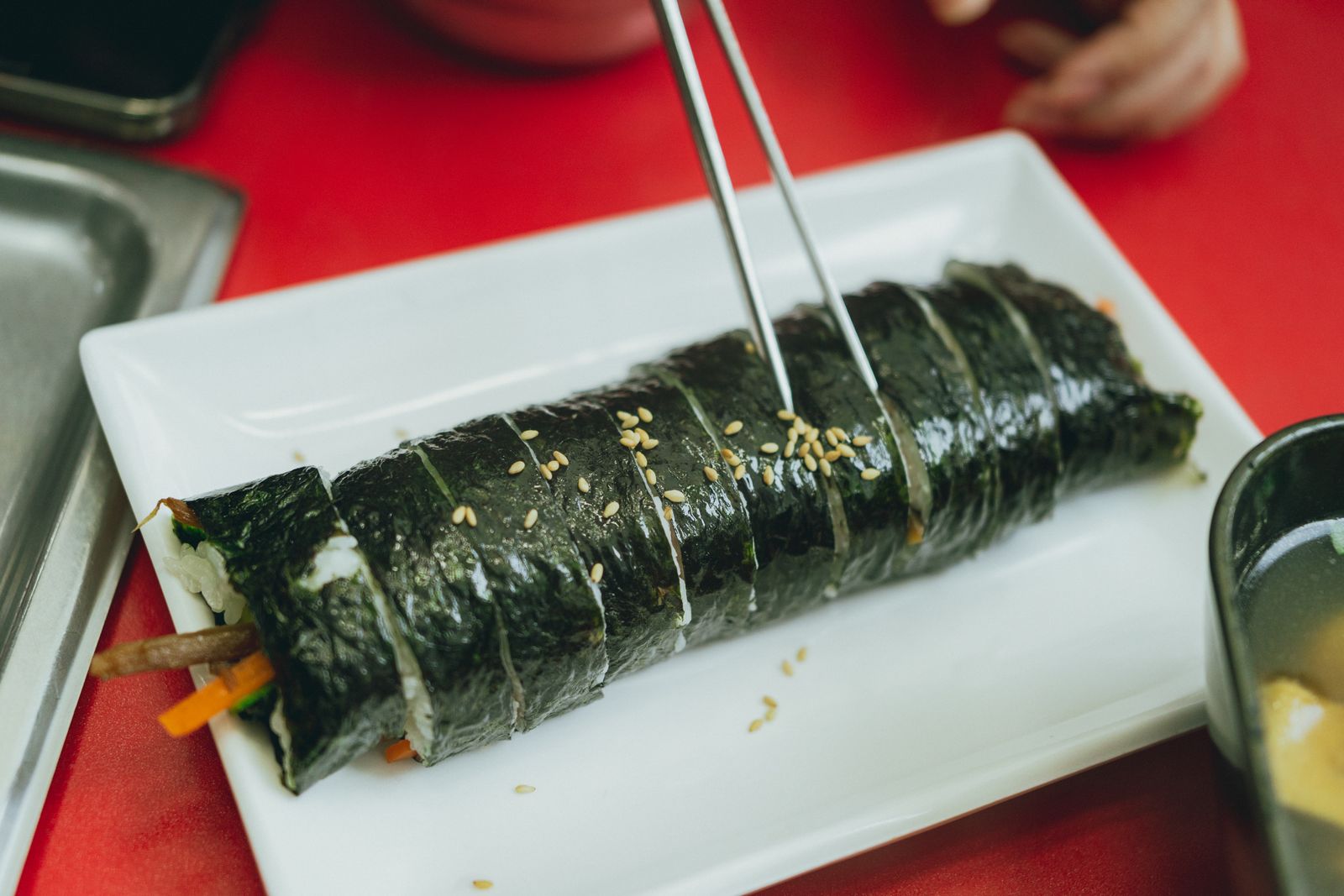
Korea’s ready-to-eat food market is polarizing along income lines, according to 2026 retail data, with budget-friendly lunch boxes and kimbap posting an unusually sharp 45 percent year-on-year jump in sales even as premium ready-meal products built around famous restaurant recipes continue growing in parallel at the opposite end of the market.
The surge in low-cost convenience foods reflects the pressure of persistent inflation on everyday Korean diners, who have shifted toward cheaper, faster meal options as the cost of dining out and even home cooking has climbed. Industry watchers describe the trend as a “value-for-money” shift, with convenience stores and grocery chains expanding their budget prepared-food lineups to capture demand from consumers looking to cut food spending without giving up the convenience of ready-made meals.
At the same time, so-called RMR products, restaurant meal replacements built around licensed recipes from well-known chefs and eateries, are also expanding, suggesting Korean consumers are not simply trading down uniformly but bifurcating: cutting costs on everyday meals while continuing to spend selectively on branded, premium convenience food for occasions when they want something closer to a restaurant experience at home.
The two-speed pattern illustrates a broader dynamic in Korean retail food spending during a period of high prices: rather than a single uniform pullback, consumers are becoming more deliberate about where they cut and where they continue to indulge, reshaping what “convenience food” means at both ends of the market simultaneously.
Source: Food Journal (식품저널 foodnews), “2026 Trends Leading Korea’s Dining-Out Industry,” 2026.