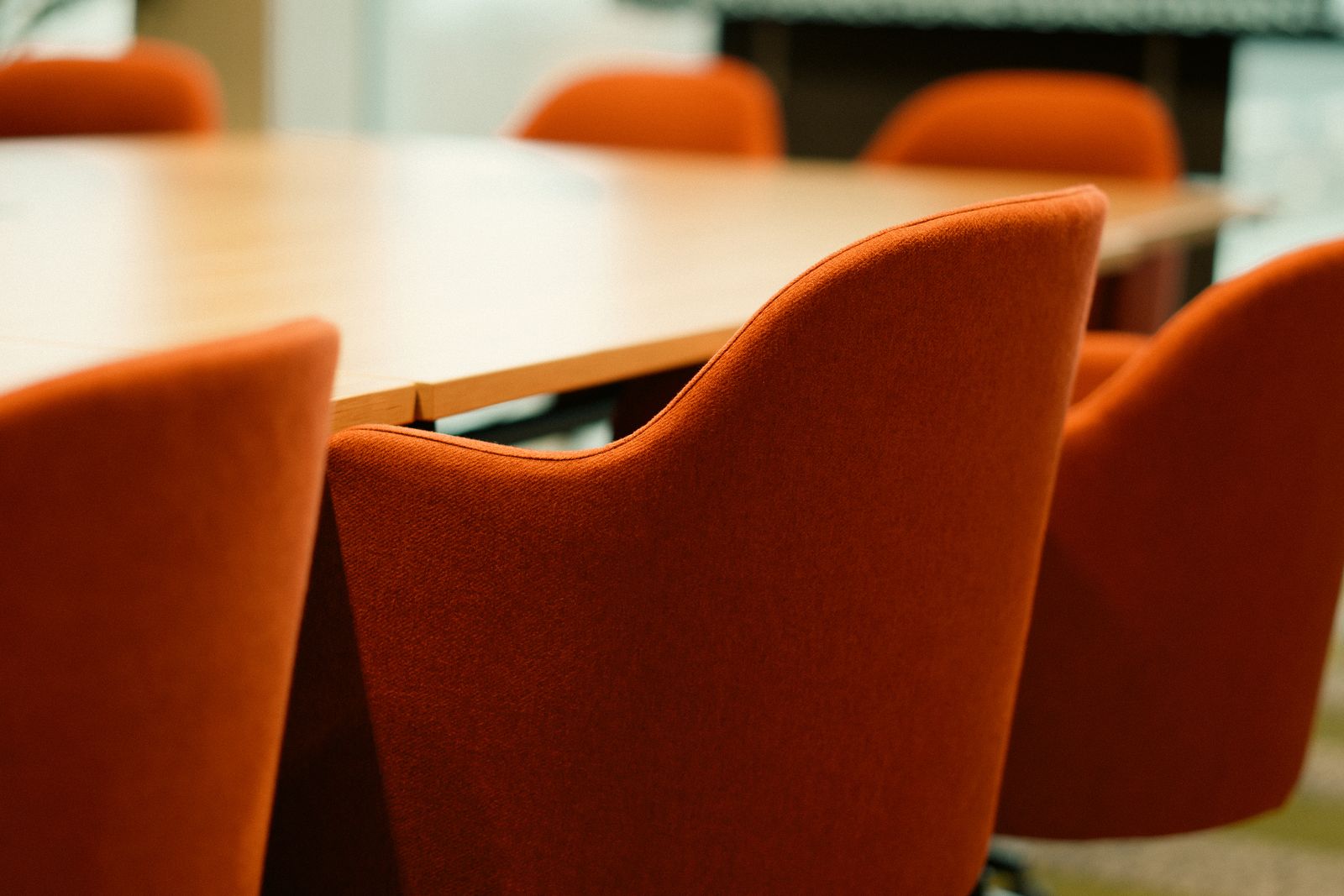
As Korean companies grapple with high reported rates of employee burnout, workplace researchers have zeroed in on a specific, well-documented contributor: meeting overload — an excess of scheduled meetings that fragments the workday into small blocks poorly suited to sustained, focused work, forcing constant context-switching that researchers say compounds mental fatigue well beyond what the meetings’ actual content or duration alone would suggest.
The problem is not unique to Korea, but Korean workplace culture’s historically hierarchical meeting norms — where meetings often serve reporting and status-updating functions in addition to their nominal decision-making purpose — have been cited by some workplace researchers as potentially compounding the frequency and duration of meetings relative to companies with flatter organizational structures and more streamlined internal communication norms.
Constant task-switching between meetings and independent work has been specifically flagged in workplace burnout research as damaging not just because of the time meetings themselves consume, but because of the cognitive cost of repeatedly shifting mental focus — a cost that compounds across a workday with numerous small meetings scattered throughout, even when each individual meeting is brief.
Some Korean companies have begun experimenting with meeting-reduction policies — designated no-meeting blocks, stricter agenda requirements, default shorter meeting durations — mirroring similar interventions tried at technology companies internationally, though these remain scattered individual company initiatives rather than any broader industry-wide standard practice in Korea.
With burnout survey data continuing to show high rates of reported workplace stress nationally, meeting-culture reform is increasingly discussed within Korean corporate HR and workplace-wellness circles as one of the more concretely actionable levers available to individual companies, compared to broader structural issues like overall workload or compensation that are harder to address through internal policy changes alone.
Source: Korean workplace burnout research on meeting overload as a documented stress driver, 2026.