
Table of Contents
The Real Relationship Hidden Behind ‘Dream’
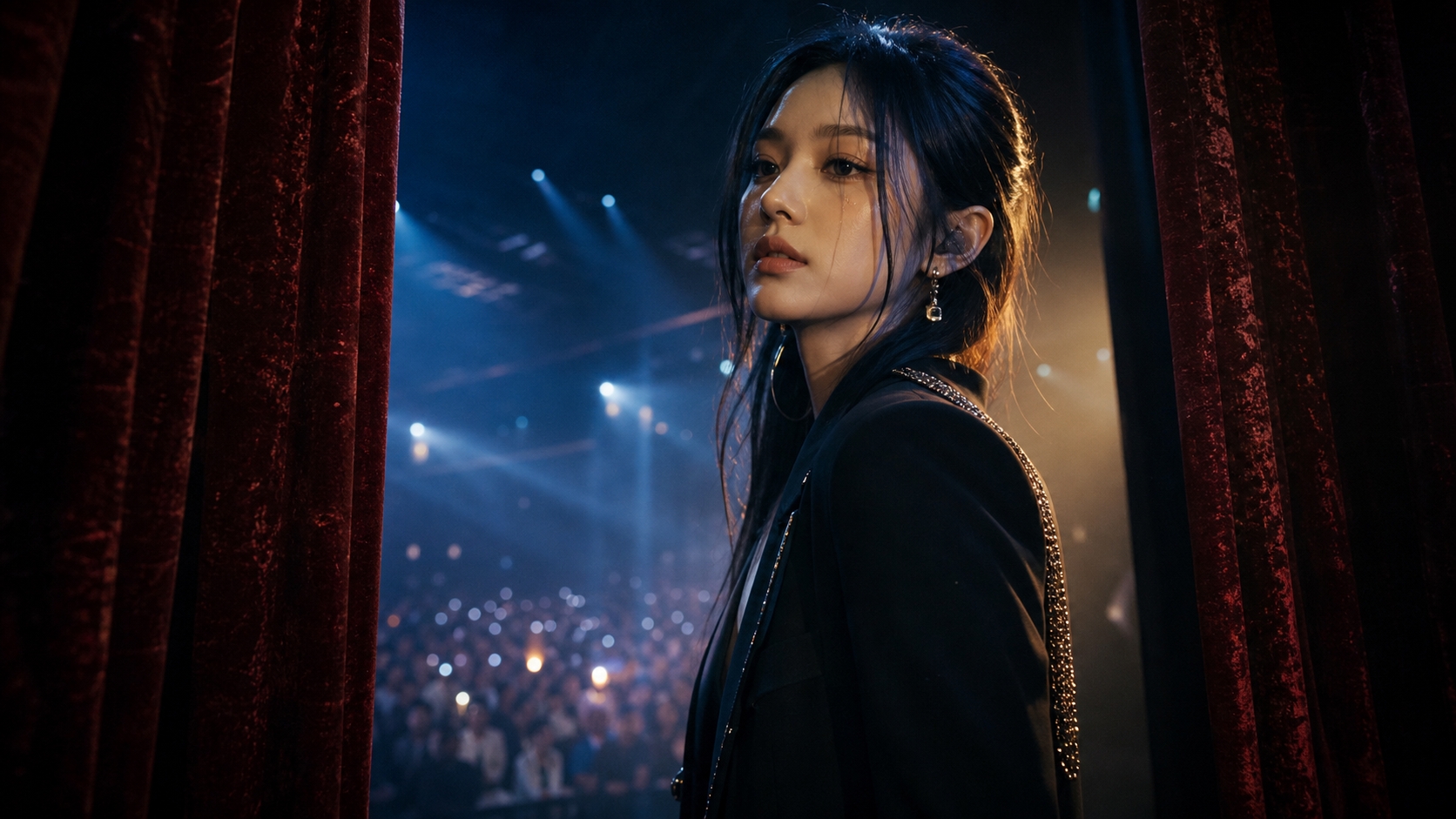
BLACKPINK Lisa’s 2025 full-length solo album, Alter Ego, features a track titled “Dream.” While fans initially heard it as a song expressing personal feelings about a past relationship, Lisa revealed in her documentary Always Lalisa that the track was inspired by a real-life secret romance. It turns out that behind the music of a global K-pop star lay a relationship hidden from the public eye.
Releasing the song required her ex’s consent as well. Lisa explained that she asked him if she could share the track before its release, and he agreed on the condition that fans wouldn’t be able to figure out his identity. She added that while fans seem to think they’ve already figured out who he is, she doesn’t believe they have. Rather than simply exposing someone’s identity, this confession highlights the boundary of anonymity both individuals tried to protect as a private experience transformed into a public song.
“You Can’t Date in K-Pop Culture”
In the documentary, Lisa stated, “You can’t date in K-pop culture.” The reason she gave was the fear of her popularity dropping if paparazzi were to uncover a relationship. She shared that she had dated a few times when she was younger but had to hide it, not wanting her personal relationships to negatively impact BLACKPINK’s popularity. This speaks to the heavy burden where going public with a relationship isn’t just a personal choice, but something deeply intertwined with the image of the entire group.
What matters most in her remark isn’t confirming whether an official dating ban exists, but rather understanding the constraints Lisa felt throughout her career. The phrase “you can’t date” condenses the reality of a K-pop star who, even after achieving global fame, found it difficult to freely share a normal relationship. It’s less about dating being physically impossible and more about the necessity to preemptively calculate the fan backlash, shifts in popularity, and the ripple effects on the group if the relationship were ever exposed.
Lisa did not reveal who she dated or exactly when it happened. Her comments shouldn’t be overblown as a confirmation of a romance with a specific person. The core takeaway from the documentary isn’t who she saw, but why she felt compelled to hide those experiences and how they eventually became the raw material for her music. While it feels like a confession opening up her private life, it is simultaneously a statement where she firmly sets the boundaries of what she is willing to share.
The Adjustments Demanded of a Fourteen-Year-Old Trainee
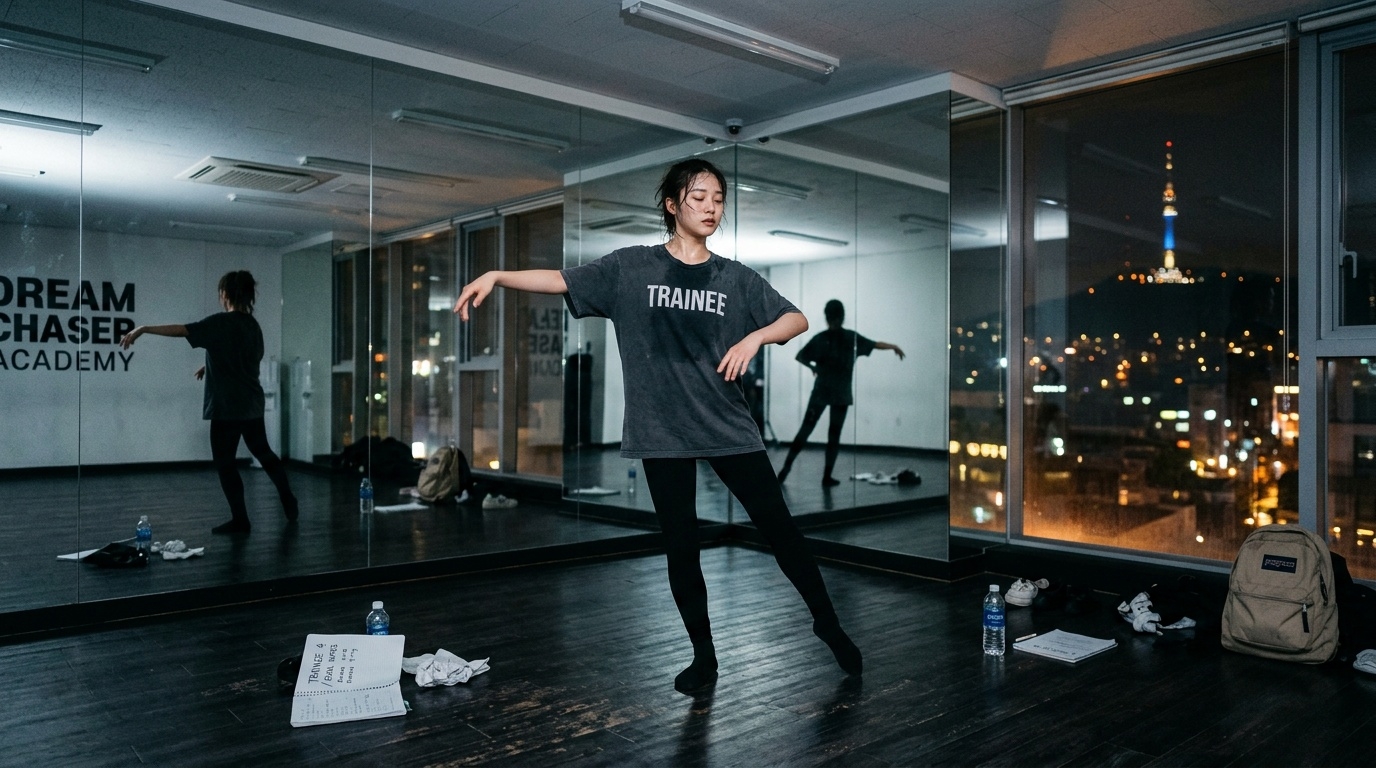
Originally from Thailand, Lisa moved to South Korea in 2011 at the age of fourteen to begin her life as a trainee at YG Entertainment. A young teenager left behind her family and a familiar environment to train to become a K-pop singer in a completely different language and culture. Always Lalisa follows her career, from her childhood dance competitions and her time as a trainee in Korea, to BLACKPINK’s debut and the process of establishing her own agency.
Looking back on her trainee days, Lisa recalled how difficult it was to dare to speak up or express her thoughts. She even shed tears when reminiscing about the monthly evaluation videos she had to submit and the harsh feedback she received back then. These monthly evaluations were a rigorous process where trainees preparing for debut had to constantly prove their skills and potential. Her reflections offer a glimpse into the immense pressure of the training system, something rarely seen by fans who only encounter the polished final performances on stage.
Growing up amidst constant evaluation and competition from age fourteen is inextricably linked to how she manages her private life. Trainees don’t just learn to sing and dance; they are taught to be relentlessly hyper-aware of how they appear to the public. Behind Lisa’s struggle to voice her thoughts lies a period where a young girl had to adapt to the exacting standards of a new industry. Her admission of hiding her relationships wasn’t a sudden issue that popped up in adulthood, but rather a mindset cultivated over years of prioritizing how her personal feelings and actions might affect her team’s image.
A System Where Privacy Becomes Part of Image Management
In K-pop, an artist’s image is not built solely on their music or stage presence. The TV appearances, interviews, online content, and glimpses of their daily lives that fans consume all interlock to create a narrative about that person. In this environment, something as deeply personal as dating is easily treated as data that impacts their public persona. Lisa’s experience illustrates how stars must remain painfully aware of fandom expectations and the public eye, even when simply starting or maintaining a relationship.
To international audiences, this culture might look like a simple corporate rule where agencies ban singers from dating. However, Lisa’s concerns about paparazzi, the fear of losing popularity, and fans trying to deduce identities show that the issue runs much deeper. Even without explicit orders, anticipating the risk of a relationship making headlines and the ensuing fallout can drive a star to bury their private life voluntarily. In this sense, the “no-dating” norm in K-pop is best understood not as a documented rule, but as an unwritten law forged jointly by the industry’s image management machine and fandom expectations.
The reality of promoting as a group also heavily influences an individual artist’s decisions. Lisa explicitly mentioned that she didn’t want her dating life to negatively impact BLACKPINK’s popularity. She recognized that her personal relationships wouldn’t just affect her, but could place an unfair burden on the other members and the group’s collective endeavors. This shared responsibility to protect the team’s success significantly broadens the calculus an individual must perform when deciding whether to share their private life.
The Song Is Public, But the Partner Remains Private
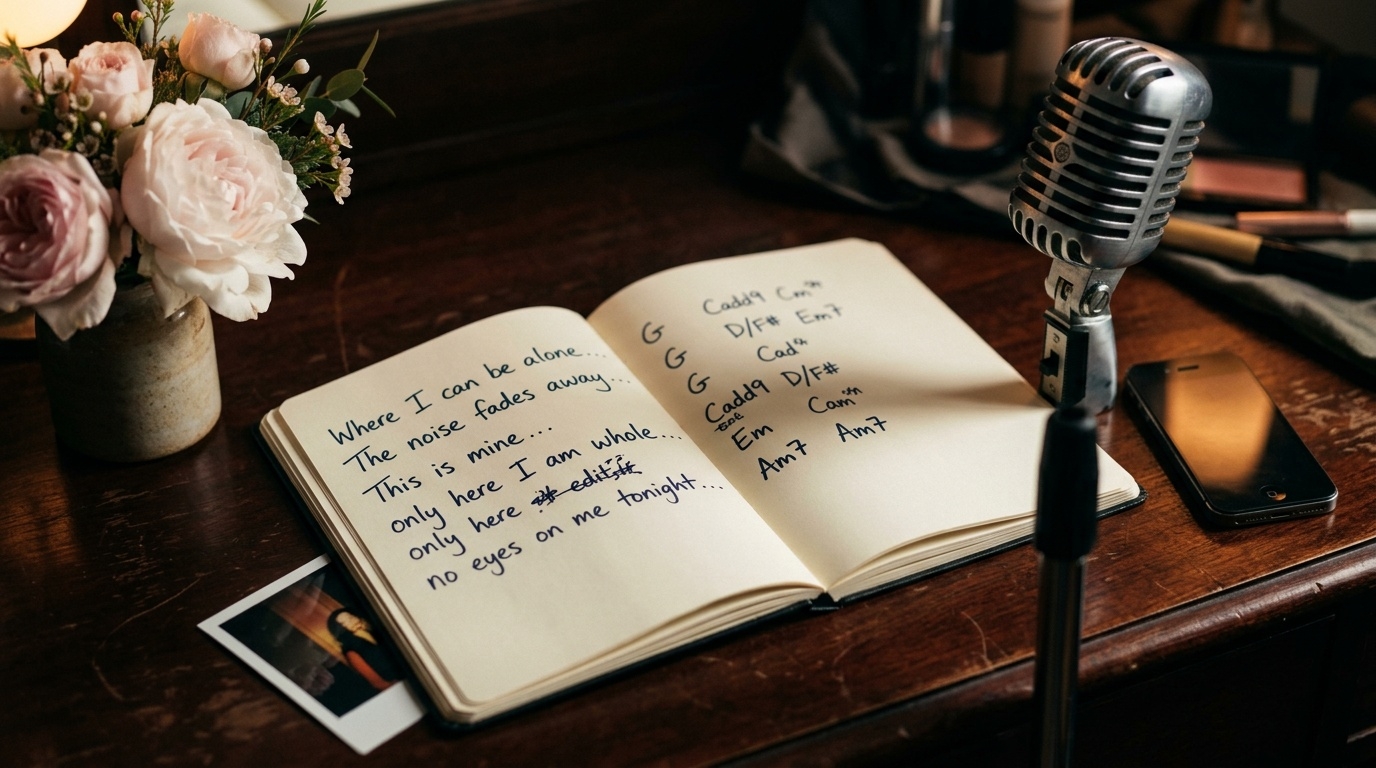
“Dream” highlights the boundaries negotiated when turning a private romance into popular content. While Lisa channeled her own experiences into her music, she didn’t feel entitled to expose the identity of the person who shared those moments with her. Asking for his permission and releasing the song under the condition of anonymity was a deliberate choice to draw a line between her personal memories and the music delivered to her fans.
Fans naturally might try to hunt down the person in the song by piecing together lyrical clues and the singer’s past whereabouts. But Lisa’s remarks gently remind us that understanding a song is not the same thing as identifying its real-life muse. The experience served as creative fuel, but not every detail of the relationship was put on display. “Dream” has become a track that beautifully holds both the emotions Lisa wanted to express and the private life she intends to protect to the very end.
A Documentary Tracking One Year of Independence
Always Lalisa follows Lisa over the course of a year as she steps away from BLACKPINK to work independently. Directed by Sue Kim, the film was co-produced by Sony Music Vision, RCA Records, and Tremolo Productions. The documentary covers not just her solo career, acting pursuits, and the process of building her own brand, but also looks at her ongoing struggle to maintain a personal life amidst global superstardom.
Lisa laid the groundwork for her solo activities by establishing her own management company, LLOUD, and partnering with RCA Records. The year captured by the documentary marks a transitional period where Lisa, best known as a group member, begins dictating the direction of her music, acting, and business ventures under her own name. Her candid comments about secret dating fit that same period of independence, moments where she is finally taking charge of narrating her own past and present.
The film will have its world premiere at the Toronto International Film Festival (TIFF) on September 11. Following that, it will receive a limited release in IMAX and select theaters worldwide starting October 12, before streaming on YouTube Premium later this year. The pre-release buzz surrounding her remarks on dating hints that this project is far more than just a glossy highlight reel of a successful star; it promises a raw look at the life she had to hide to maintain that image, and the profound changes she’s experienced since finding her independence.
Finding Her Voice Ahead of New Music
Lisa is gearing up for the release of her first solo mini-album, Press Play, on October 23. A pre-release single, “SaWaDiKa,” dropped earlier in early September. This back-to-back rollout of new music and a documentary ties perfectly into her efforts to expand her independent solo identity. Her decision to personally explain the backstory of “Dream” signals a notable shift: she is speaking up more actively not only about her music, but about the private experiences that shaped it.
However, one star’s confession shouldn’t be taken as proof that the exact same rules apply to every K-pop artist. The point here is that even a singer with world-conquering success believed her popularity would suffer if her dating life were exposed, and felt she had to hide her relationships from a very young age. Her experience of adapting to constant evaluation and image curation since her days as a fourteen-year-old trainee helps us understand the environment that forged those beliefs.
The lingering question left by Always Lalisa isn’t who Lisa dated. The more important conversation is about how much K-pop culture has or hasn’t changed in viewing a star’s ordinary relationship as a threat to their popularity and group image, even as the industry has grown into a global powerhouse. It raises a vital debate over where fans and the industry should draw the line on privacy. The very fact that Lisa has started talking about her experiences while carefully protecting her anonymity gives us the perfect opening to renegotiate those boundaries.
Sources: Toronto Star, September 3, 2026; Aju Business Daily, September 4, 2026; Sony Music Vision press release; Toronto International Film Festival program, 2026.