
Table of Contents
More than 60% Muslim, and a proposal built around them
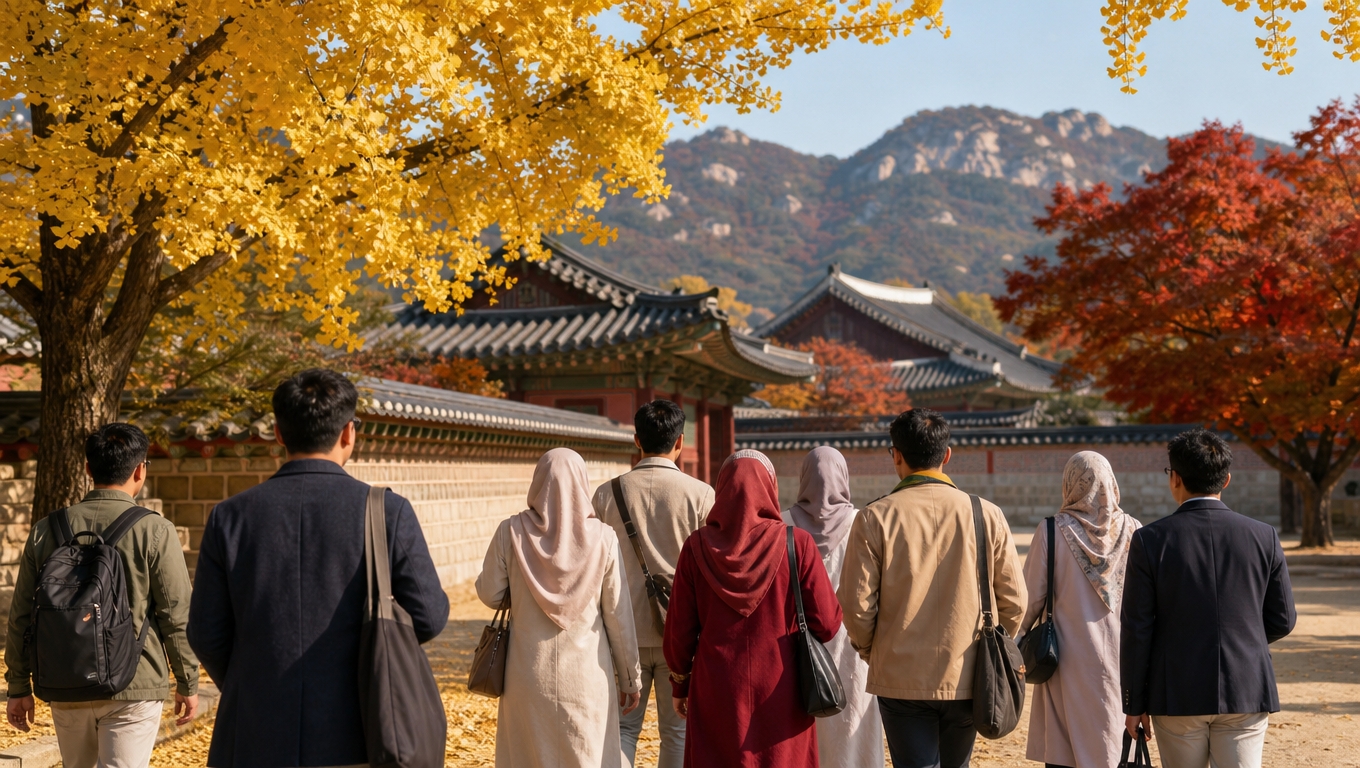
About 1,500 people on an incentive trip from BE International, a Malaysian company, chose Korea over Türkiye as their destination. The Korea Tourism Organization (KTO) announced on November 16 that it had secured the group. Participants are arriving in eight waves of roughly 200 people between November 13 and 24, traveling around Seoul, Gyeonggi Province and Gangwon Province. Whether the destination could support Muslim participants’ meals and prayers weighed heavily in the decision.
BE International sells health foods and wellness products through direct sales and sends 1,000 to 2,000 people on overseas incentive trips every year. An incentive trip is a group journey a company offers its people to reward performance or keep them motivated. This is the company’s third trip to Korea, after visits in 2018 and 2023, so the deal brings a returning client back.
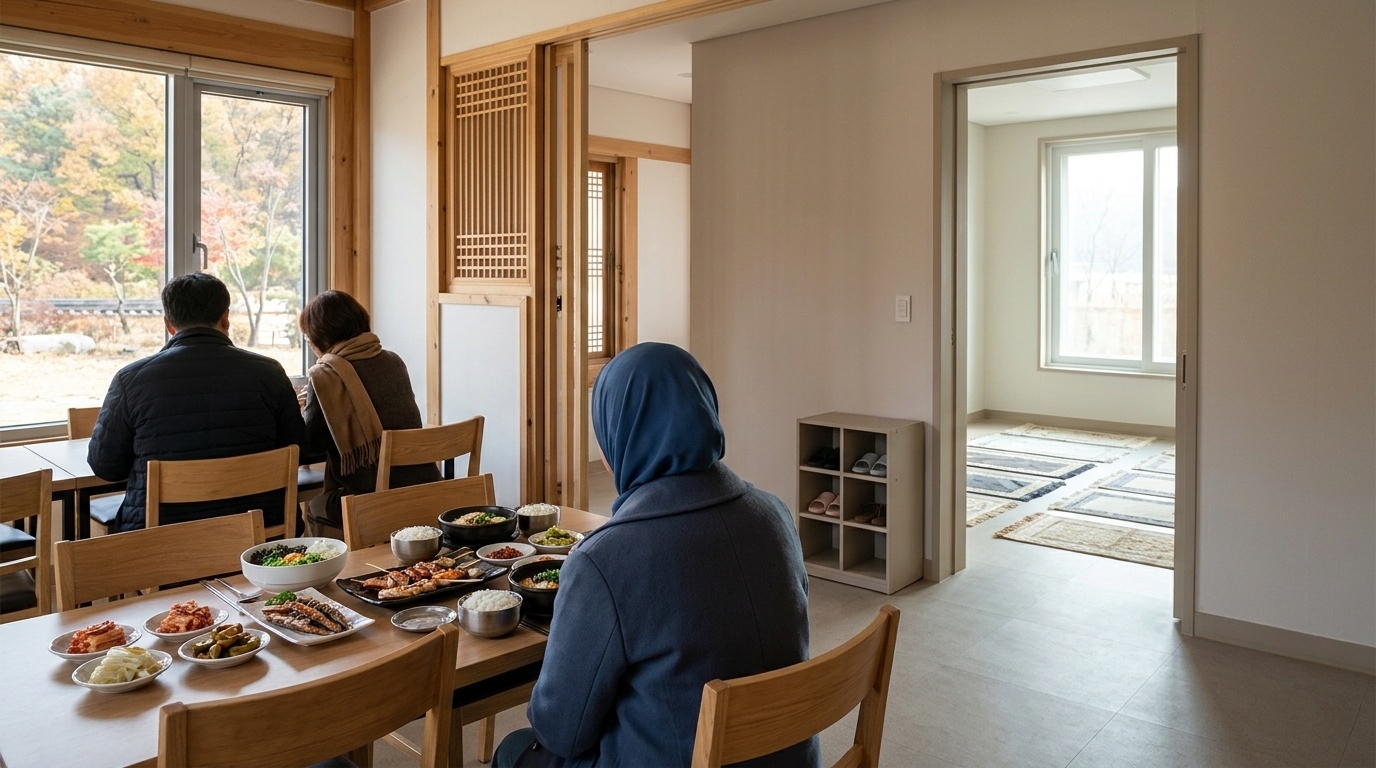
More than 60% of this year’s participants are Muslim. With that makeup in mind, the company had originally been leaning toward Türkiye. KTO focused its pitch on halal-certified restaurants, tailored catering and prayer rooms. Alongside Korea’s autumn scenery and hands-on K-culture and K-food programs, it also laid out how participants would eat and pray during the stay.
Four restaurant categories on VISITKOREA
Independent travelers can find the same information. VISITKOREA, KTO’s official tourism site, sorts restaurants into four types: halal-certified, Muslim self-certified, Muslim-friendly and pork-free. For Muslim readers planning a trip to Korea, it is a good place to start looking for places to eat. The groundwork used to win over a large group also helps individuals plan their own trips.
These four labels do not all mean halal certification. Having the distinctions spelled out is useful for anyone choosing where to eat, and it makes it easier to fit Korean food experiences into an itinerary.
VISITKOREA also lists tourist facilities where prayer rooms are available. Checking restaurants and prayer spaces together lets travelers plan sightseeing, meals and prayer along a single route. The same conditions sat at the center of KTO’s pitch to the incentive group, because they decide whether a trip like this can work.
A 2025 meeting, then a 2026 site visit
The courtship goes back to the Korea Travel Mart in Kuala Lumpur in January 2025, where KTO named BE International a key target for a return visit. In September of that year, it learned of the company’s overseas incentive plans and began actively recruiting. Because the company had visited before, KTO could check its next travel needs and build a more specific proposal.
In April 2026, KTO supported a site inspection trip to Korea by the company’s decision-makers and officials from its Malaysian travel agency. They checked halal food and beverage facilities and K-culture programs. It was the stage where the company choosing the destination and the agency organizing the trip saw the ground together, and where facilities and activities planned around participants’ religious needs moved from a proposal to places they could actually visit.
The Korea trip was confirmed on May 26. The Muslim-friendly environment and autumn travel content KTO had emphasized became an actual itinerary. Hong Hyun-sun, a director at KTO’s Korea MICE Bureau, described the deal as “a case where finding latent demand through local networks and providing tailored support based on participants’ characteristics paid off.”
Why Korea courts corporate group travel
Corporate meetings and incentive trips are major parts of the MICE industry, a term covering meetings, incentive travel, conventions and exhibitions. From January to October 2026, KTO directly attracted or supported 250,000 corporate meeting and incentive travelers to Korea, up 13.5% from the same period a year earlier. The Malaysian group is one case where support tailored to participants turned into a choice of destination.
According to the Ministry of Culture, Sports and Tourism, MICE visitors to Korea spent an average of 3.83 million won per person in 2024, about 1.9 times the 2.05 million won spent by regular tourists. The figures help explain why corporate travel draws attention in the tourism industry. They are averages for all MICE visitors, though, and do not show what BE International’s participants actually spend.
In this case, travel content and on-the-ground support were offered together. If autumn scenery and cultural experiences gave people a reason to come, halal meals and prayer spaces made the trip possible. For readers abroad, the practical part is simple. VISITKOREA’s restaurant categories and prayer room listings are concrete resources to check from the very first stage of planning a trip to Korea.
Source: Newsis, November 16, 2026, citing the Korea Tourism Organization and Ministry of Culture, Sports and Tourism statistics.


