
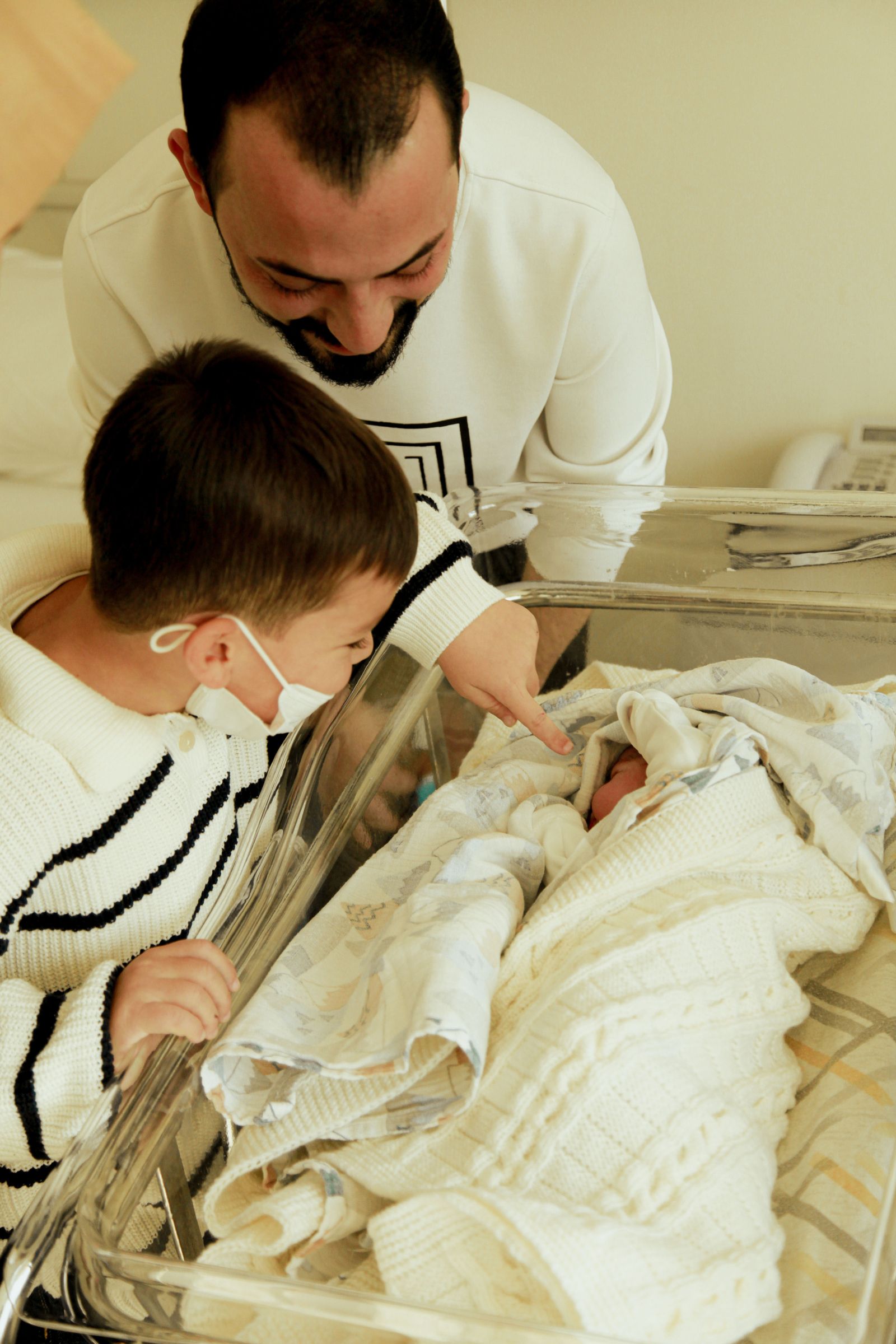
After years of headlines about Korea’s demographic collapse, the country’s birth numbers have started moving in an unfamiliar direction: up. Following a 2025 total fertility rate of 0.80, itself a fractional uptick from the historic lows of prior years, monthly birth data from early 2026 has shown consecutive year-on-year gains that demographers say are more than statistical noise.
Government data shows births rose 11.7 percent year-on-year in January 2026, followed by a 13.6 percent jump in February. While a single-digit or even low-double-digit rebound from a rate as low as Korea’s might not sound dramatic in absolute terms, the consistency of the gains across consecutive months has drawn attention from population researchers who had grown accustomed to almost uninterrupted decline.
Much of the explanation lies in demographic timing rather than a sudden reversal in attitudes toward parenthood. Officials and researchers point to what is being called a “second echo boom” generation, women and men born between 1991 and 1995, during a smaller but still notable bump in births following Korea’s original postwar baby boom. As this cohort moves through its early-to-mid thirties, a life stage when many Koreans who do have children tend to do so, their sheer numbers are pushing birth counts upward even without a fundamental shift in the country’s ultra-low fertility culture.
That does not mean policy has been standing still. The Presidential Committee on Aging Society and Population Policy has been rolling out a five-year roadmap aimed at reinforcing whatever momentum this demographic window provides, with measures spanning housing support for newlyweds, expanded parental leave, and childcare subsidies designed to lower the cost calculus that has kept Korea’s fertility rate the lowest in the developed world for years.
Demographers caution against reading too much into a few months of data. The “echo boom” cohort is finite, and once it ages out of peak childbearing years later in the decade, the underlying pressures that drove fertility down in the first place, high housing costs, intense educational competition, and long working hours, will still need to be addressed for any rebound to hold. Still, for a country where population decline has become shorthand for national anxiety, even a temporary uptick offers policymakers a rare window to test whether support measures can convert a demographic accident into a lasting shift.
Source: Presidential Committee on Aging Society and Population Policy, government birth statistics release, 2026.