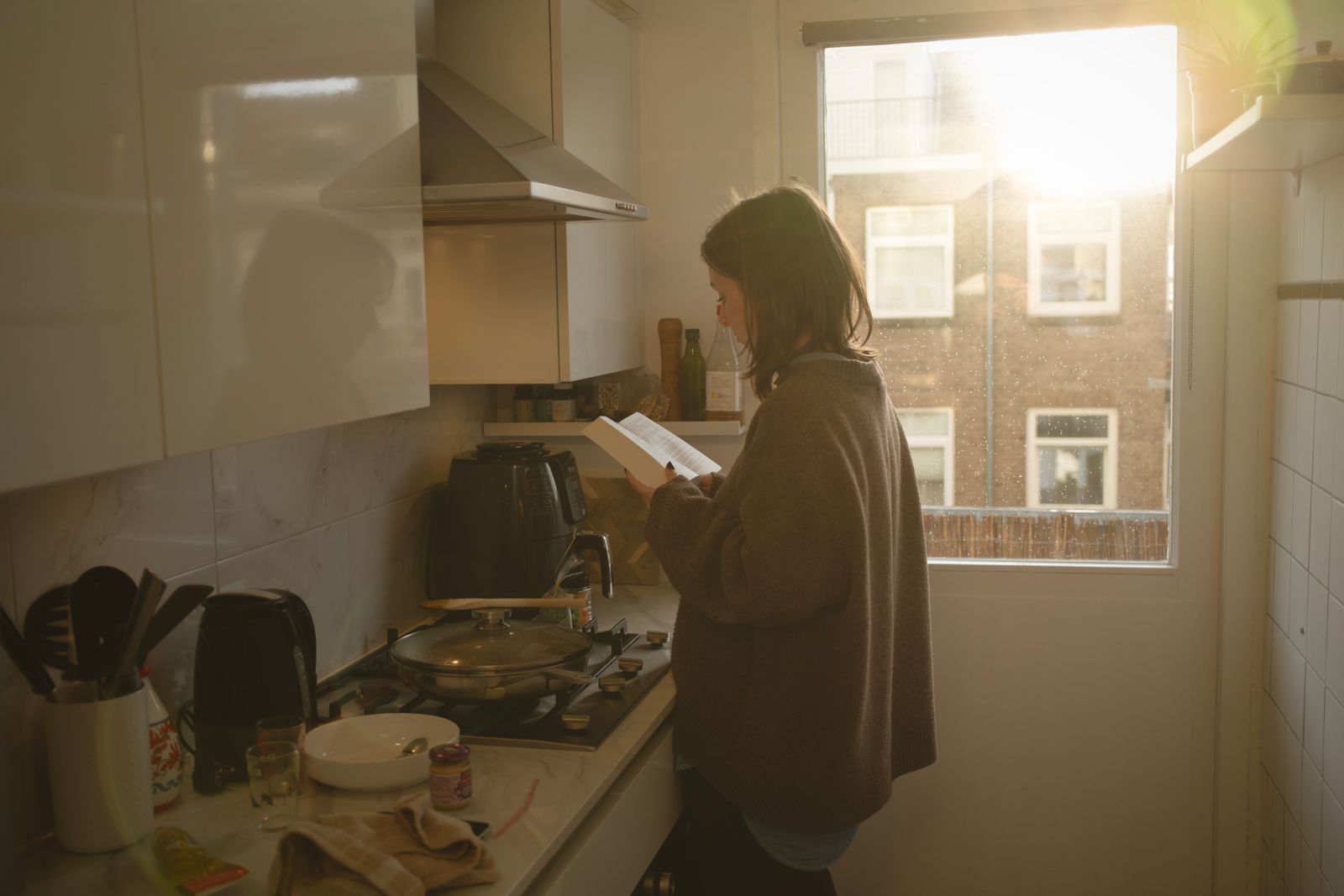
The traditional Korean household of multiple generations under one roof keeps becoming less and less representative of how the country actually lives. As of 2026, single-person households in Korea have surpassed 8.36 million, accounting for 36.9 percent of all households nationwide, according to recent government statistics, continuing a steady climb from 36.1 percent, or roughly 8.045 million households, just a year earlier in 2024.
The scale of the shift becomes clearer when broken down by age. In Statistics Korea’s most recent detailed breakdown, people aged 70 and older made up the largest share of single-person households at 19.8 percent, followed closely by adults 29 and under at 17.8 percent, people in their sixties at 17.6 percent, and those in their thirties at 17.4 percent. That spread illustrates that Korea’s rise in solo living isn’t a story about any one generation; it spans everyone from young adults building careers before, or instead of, marriage, to elderly Koreans living alone later in life as the country’s population ages.
Housing patterns for these households look different from the multi-person family homes many still picture as the Korean norm. As of the latest data, single-person households most commonly live in standalone houses, accounting for 39.0 percent, narrowly ahead of apartments at 35.9 percent, with a home-ownership rate among this group of just 32.0 percent, meaning roughly two-thirds of solo households in Korea rent rather than own.
Government agencies tracking the trend describe it as one of the defining structural shifts in Korean society over the past decade, one with wide-reaching implications: smaller-format housing demand, a growing market for single-serving groceries and meal kits, evolving retail and appliance design tailored to individual living, and mounting pressure on a social safety net historically built around family-based caregiving. With projections showing the share of single-person households continuing to climb well past the current 37 percent mark in the years ahead, businesses and policymakers alike are increasingly treating solo living not as a niche demographic but as Korea’s new mainstream household type.
Source: Statistics Korea (National Data Agency), “2025 Statistics on Single-Person Households” report.