Korean wedding culture is undergoing a notable shift in 2026 toward what industry commentators are calling “experience-centered” celebrations, moving away from the highly standardized, assembly-line wedding-hall format that has dominated Korean matrimonial custom for decades in favor of events built more explicitly around a specific couple’s personal story and identity.
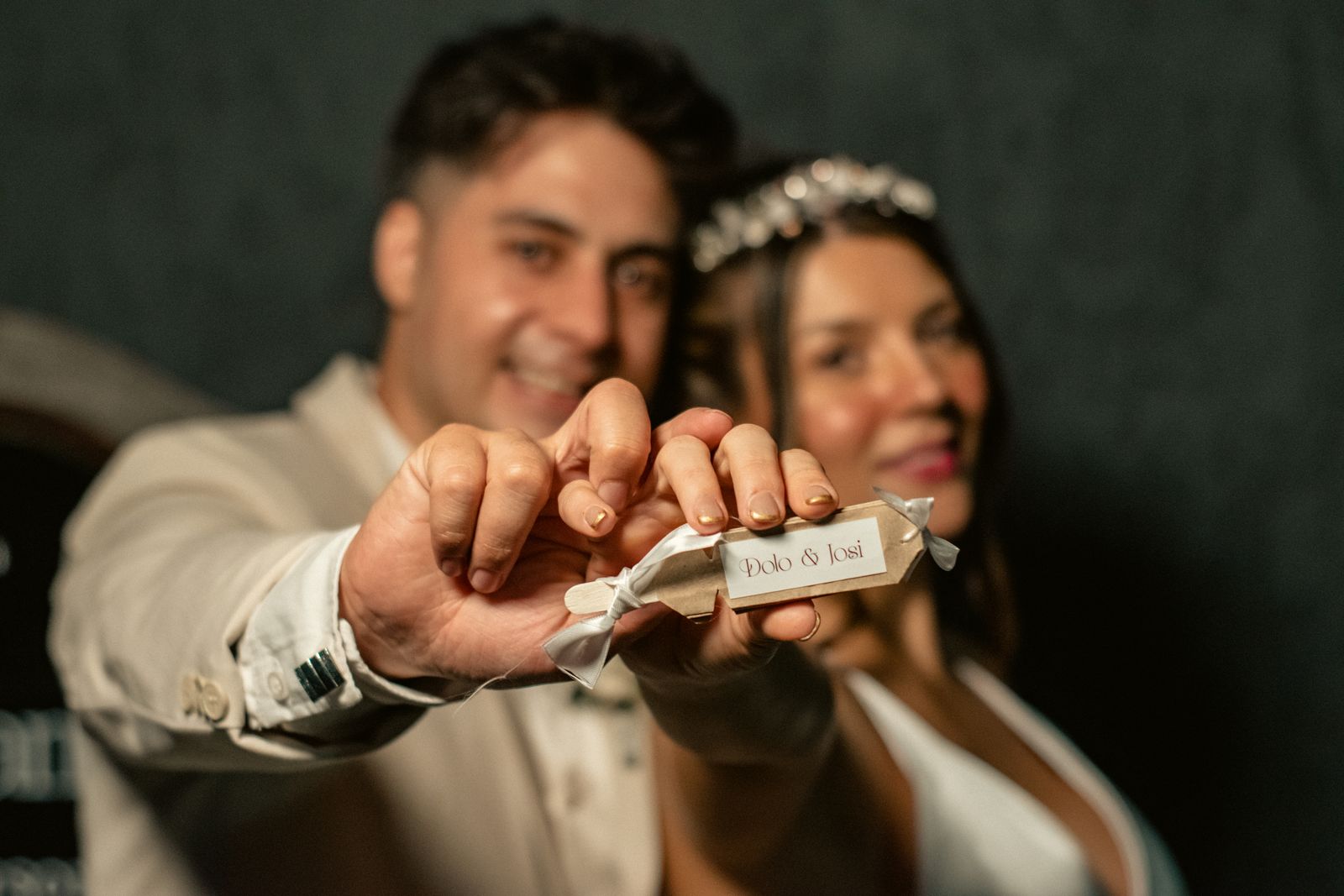
The “identity-first” wedding framing that has emerged this year describes ceremonies designed to visibly foreground the couple’s individual personalities and shared history — through personalized vows, curated guest experiences, and venue and design choices meant to reflect something specific about the couple rather than following a largely interchangeable template — establishing itself as a new industry-wide standard rather than a niche premium option reserved only for couples with unusually large budgets.
This shift connects to broader changes already reshaping Korean dating and relationship culture, including younger Koreans’ growing preference for direct, explicit communication about relationship expectations and the MZ generation’s widely discussed reframing of romance around practicality and efficiency — both of which reflect a generational move toward relationships (and by extension, the ceremonies that mark them) feeling more personally authored rather than shaped primarily by inherited social convention.
The traditional Korean wedding-hall industry, long characterized by tightly scheduled back-to-back ceremonies in shared multi-purpose venues, faces mounting pressure from this shift, as couples increasingly seek out independent venues, non-traditional locations, and vendors who can deliver a more customized event — even as the tightly packed wedding-hall model remains dominant by sheer transaction volume given its cost efficiency relative to fully bespoke alternatives.
Wedding-industry analysts expect the identity-first trend to keep gaining share through the rest of 2026, describing it as part of the same broader generational pattern reshaping how younger Koreans approach dating, romance, and now the ceremonies meant to formalize those relationships.
Source: Korean wedding-industry trend coverage, “경험 중심” (experience-centered) and identity-first wedding trends, 2026.