
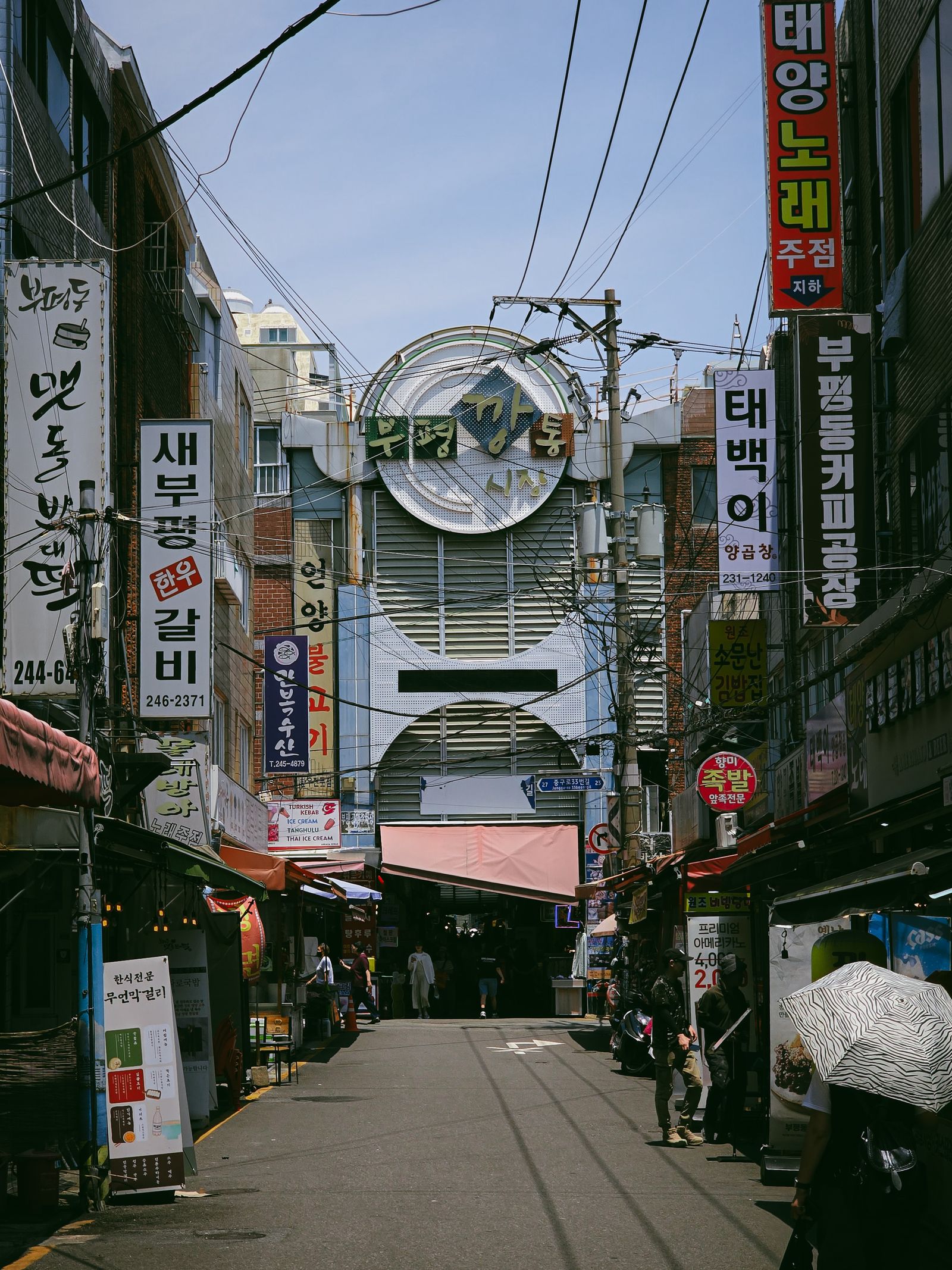
While Seoul neighborhoods like Seongsu-dong, Yeonnam-dong, and Ikseon-dong have transformed rapidly into internationally recognized “hot place” destinations built around dense clusters of aesthetically distinctive cafes and boutiques, nearby Mangwon-dong has followed a deliberately different trajectory in 2026, positioning itself instead as what local coverage describes as “the most neighborhood-feeling neighborhood” (가장 동네다운 동네) in the city.
Mangwon-dong now hosts more than 30 cafes, a meaningful concentration by any standard — yet as of 2026, the area’s resident-to-visitor ratio remains roughly 7:3, meaning the neighborhood still functions predominantly as a place where local residents live and shop rather than a destination overwhelmingly reshaped around tourist and social-media foot traffic, a balance increasingly rare among Seoul’s most Instagram-visible neighborhoods.
The area’s defining commercial feature remains “망리단길” (Mangnidan-gil), a stretch that blends Mangwon’s long-standing traditional market with newer boutique businesses — a naming convention (borrowing the “-리단길” suffix popularized by Gyeongridan-gil in Itaewon) that has become a common shorthand across Korea for any newly trendy alley commercial strip, even as Mangwon-dong itself has resisted fully converting into the kind of hyper-commercialized district that naming pattern often implies.
Mangwon-dong’s relatively balanced growth trajectory stands in contrast to a broader pattern Korean media has covered critically this year: neighborhoods that experience rapid “alley revival” (골목 살림) commercial success frequently see a subsequent “rent bomb” (임대료 폭탄) as landlords raise commercial rents sharply once foot traffic and media attention increase, often pricing out the very small independent businesses that made the neighborhood appealing in the first place.
For visitors seeking a Seoul neighborhood experience closer to genuine local life than the more thoroughly commercialized hot-place districts, Mangwon-dong’s continued balance between its traditional market roots and newer cafe culture offers a comparatively grounded alternative — though local commentary suggests that balance may face increasing pressure as the neighborhood’s profile continues rising.
Source: Seoul neighborhood-culture coverage of Mangwon-dong, 망리단길, and gentrification-related commercial rent trends, 2026.