
Table of Contents
The Tragedy That Broke the Silence
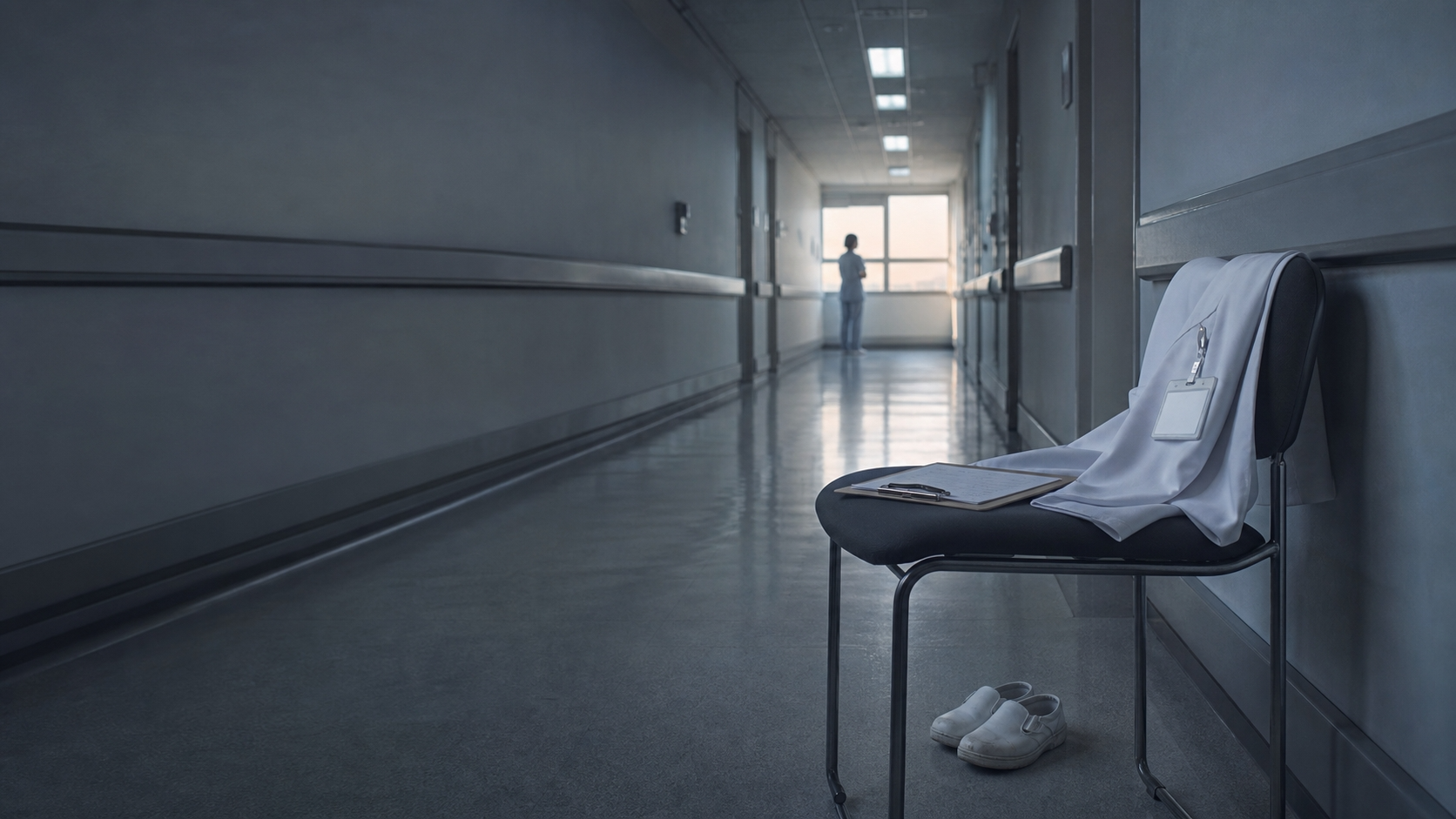
In June 2026, a nurse in her twenties working at a hospital in Gyeonggi Province took her own life. According to testimony from family and colleagues, she had endured workplace harassment for about three years. This practice, commonly called ‘taeum,’ has long been disguised as a rigorous training method for newcomers, but this incident once again exposed the violence lurking beneath the surface.
The hospital’s response during the investigation only fueled the controversy. The hospital disciplinary committee acknowledged wrongdoing by only one of the three senior nurses identified as perpetrators, and even that resulted in no more than a written warning. Two of the three effectively faced no consequences at all.
What Hasn’t Changed Even After Presidential Intervention
President Lee Jae-myung publicly condemned the incident as ‘unacceptable violence’ and personally ordered a thorough investigation, leading the police to form a dedicated task force. It is unusual for a president to directly intervene in a single hospital’s personnel matter—a clear sign of the intense public outrage.
What stands out is that despite the president’s involvement, the hospital’s own disciplinary measures remained largely unchanged. The gap between national-level attention and an individual organization’s evasion of responsibility suggests that taeum is not merely a matter of individual misconduct but is deeply intertwined with hospital operational structures.
A Structural Problem: Endurance, Not Systems
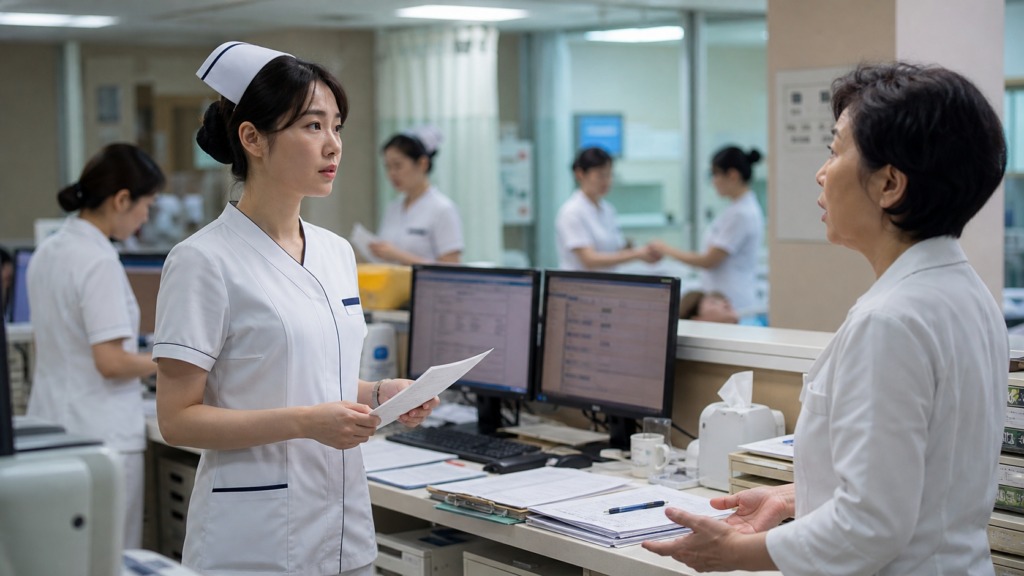
In reality, Korea’s nurse-to-patient ratio far exceeds the OECD average. Unlike U.S. or European hospitals, which provide new nurses with formal preceptor programs and phased handover periods, Korean hospitals have left this buffer zone to individual endurance rather than institutional systems. The gap created by staffing shortages has been filled by forcing newcomers to simply tough it out.
In such a structure, strengthening disciplinary measures at individual hospitals alone cannot solve the problem. Unless staffing standards and training systems themselves are reformed, similar incidents are likely to recur.
The New Nurse Who Fought Back with a Chart
Around the same time, a case with the opposite outcome also emerged. According to a report by Wikitree, a new nurse was shoved by a senior during a handover and immediately retaliated by striking back with a chart. In the past, such an incident would have been quietly overlooked, but this newcomer responded on the spot.
The fact that such cases are being reported repeatedly, rather than remaining isolated anecdotes, signals a generational shift. Unlike previous generations, Gen Z nurses are no longer tolerating unfair treatment—they react immediately and, if necessary, raise the issue publicly. If hospital organizations fail to keep up with this change, they may pay the price in the form of staff attrition.
Sources: Wikitree, June 2026; Related press reports, June 2026.
Korean Original Version
한국어 원문 보기 / 원작 저자의 톤 비교(클릭하여 확장)
저자: Daniel Yoon
한국어 원문 영어 번역에서 드러나지 않은 한국 문화의 뉘앙스와 저자의 고유한 표현 스타일을 보여드립니다.
침묵을 깨뜨린 비극
2026년 6월, 경기도의 한 병원에서 근무하던 20대 간호사가 스스로 목숨을 끊었다. 유족과 동료들의 증언에 따르면 그는 약 3년에 걸쳐 직장 내 괴롭힘을 겪어왔다. 흔히 ‘태움’이라 불리는 이 관행은 신입을 향한 혹독한 교육 방식으로 포장돼 왔지만, 이번 사건은 그 이면에 있는 폭력성을 다시 한 번 드러냈다.
사건 처리 과정에서 드러난 병원 측 대응은 논란을 키웠다. 병원 징계위원회는 가해자로 지목된 선배 간호사 3명 가운데 단 1명에게만 잘못을 인정했고, 그마저도 처분은 서면 경고에 그쳤다. 3명 중 2명은 사실상 아무런 책임도 지지 않은 셈이다.
대통령이 개입해도 달라지지 않은 것
이재명 대통령은 이 사건을 두고 “용납할 수 없는 폭력”이라 규정하며 철저한 조사를 직접 지시했고, 경찰은 전담 태스크포스를 꾸려 수사에 착수했다. 대통령이 개별 병원의 인사 문제에 직접 개입을 지시한 것은 이례적인 일이다. 그만큼 여론의 분노가 컸다는 뜻이다.
주목할 점은 대통령의 개입에도 불구하고 병원 자체의 징계 수위는 크게 달라지지 않았다는 사실이다. 국가 차원의 관심과 개별 조직의 책임 회피 사이의 간극은, 태움이 단순히 개인의 일탈이 아니라 병원 운영 구조와 맞닿아 있음을 시사한다.
구조의 문제: 제도가 아닌 개인의 인내심
실제로 한국의 간호사 대비 환자 비율은 OECD 평균을 크게 웃돈다. 미국이나 유럽 병원이 신입 간호사에게 정식 프리셉터 프로그램과 단계적 인수인계 기간을 제공하는 것과 달리, 한국 병원은 이 완충 구간을 제도가 아니라 개인의 인내심에 맡겨왔다. 인력 부족이 만든 공백을, 결국 신입이 버텨내는 방식으로 메워온 셈이다.
이런 구조에서는 개별 병원의 징계 강화만으로 문제가 해결되지 않는다. 인력 배치 기준과 교육 체계 자체를 손보지 않는 한, 유사한 사건은 반복될 가능성이 크다.
선배에게 차트로 맞선 신입 간호사
같은 시기, 정반대의 결말을 보여준 사건도 있었다. 위키트리 보도에 따르면 한 신입 간호사는 인계 도중 선배가 자신을 밀치자 곧바로 차트로 맞받아쳤다. 과거였다면 조용히 넘어갔을 상황에서, 이 신입은 그 자리에서 대응했다.
이런 사례가 개별 일화로 끝나지 않고 반복해서 보도되는 것 자체가 세대 교체의 신호로 읽힌다. Z세대 간호사들은 앞선 세대와 달리 부당한 대우를 감내하는 대신 즉각 반응하고, 필요하면 공개적으로 문제를 제기한다. 병원 조직이 이 변화를 따라가지 못하면, 인력 이탈이라는 형태로 대가를 치를 가능성이 있다.
출처: 위키트리, 2026년 6월; 관련 언론 보도, 2026년 6월.