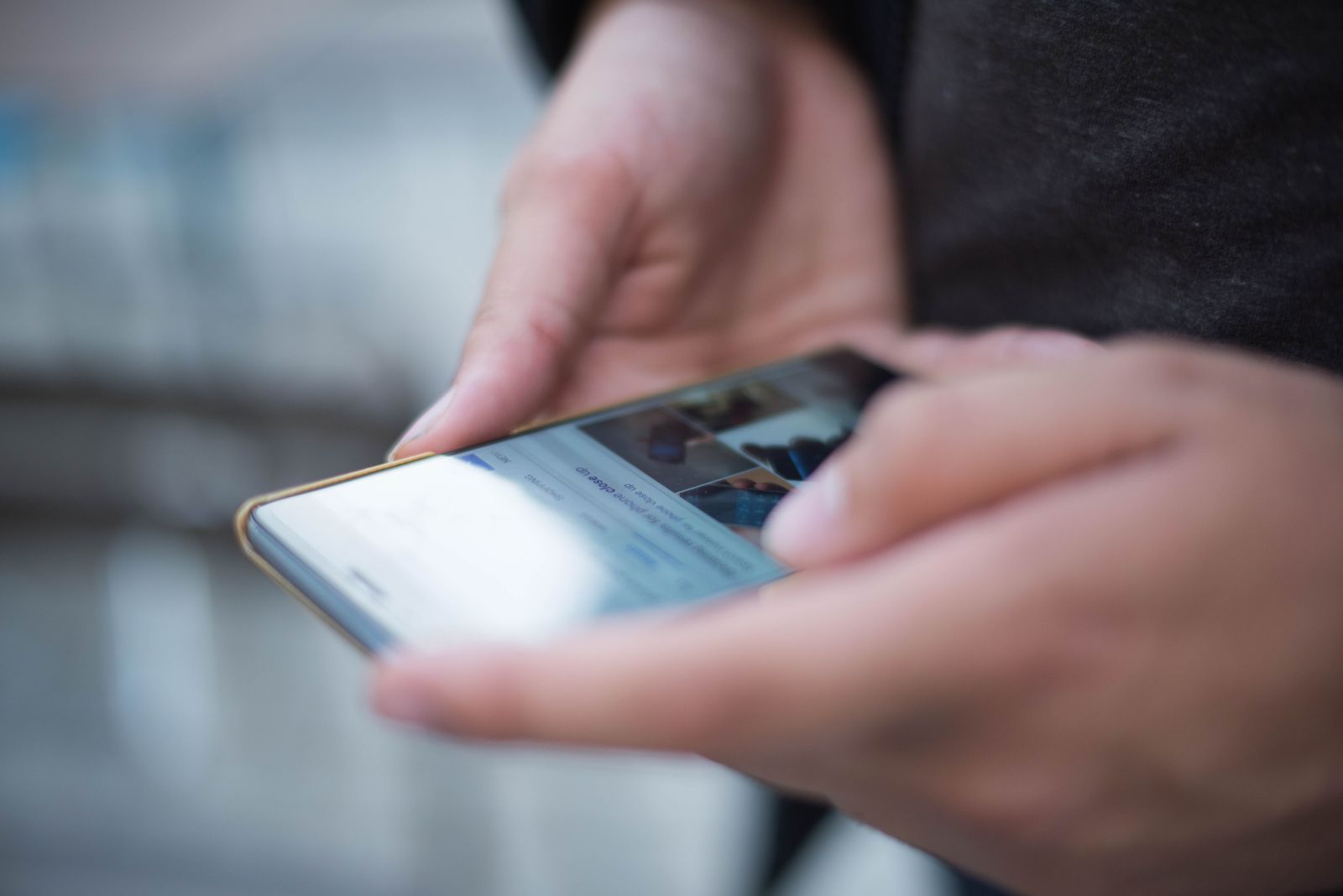
A viral YouTube video, a one-star review on a delivery app, and a heated post on a parenting forum are about to fall under the exact same legal standard in South Korea.
Starting July 7, 2026, Korea’s revised Information and Communications Network Act — widely nicknamed the “fake news law” — introduces punitive damages for high-reach YouTubers and TikTok creators who post content authorities define as “unlawful,” while platforms like Naver, Kakao, Google and Meta face steep penalties if they fail to police it, according to an analysis published by The Korea Times on July 1.
Under the enforcement decree, anyone who has posted at least three pieces of content over three months and either has more than 100,000 subscribers or averages more than 100,000 monthly views qualifies as a “major online information producer.” If such a person is found to have deliberately spread false information for unfair advantage — financial or otherwise, including social or political influence — judges can impose damages of up to five times the proven loss.
Platforms with more than one million average daily active users must operate their own reporting and monitoring systems, and once a complaint comes in, verify it through a new transparency center under the state-run Korea Media and Communications Commission. A platform that fails to remove confirmed unlawful content faces corporate fines; if it ignores a formal takedown order, its CEO can be personally prosecuted. Crucially, the same standard applies well beyond YouTube and social media — malicious reviews on delivery apps, posts on parenting communities, and comments on shopping sites all fall under the same rule.
Major platforms told The Korea Times they are scrambling to comply. A Naver representative said the company is tightening its rules and will lean on the Korea Internet Self-Governance Organization (KISO) for guidance on ambiguous cases. Kakao, which operates KakaoTalk, said it “cannot realistically investigate the hidden motives behind each post” and will similarly refer disputed cases to KISO. Meta said it is preparing for the law, while a representative for Google Korea said it had not yet received guidance from headquarters.
The law has drawn sharp criticism from conservative lawmakers and free-speech advocates, who warn it could push platforms toward removing disputed content pre-emptively rather than risk liability. A National Assembly petition calling for the law’s repeal gathered more than 140,000 signatures between May 26 and June 26. Independent lawmaker Han Dong-hoon warned that empowering the state to decide what counts as fact will push platforms to “prescreen and remove any posts the government deems illegal.” Opposition lawmaker Kim Jae-sub went further, comparing the law to historic censorship statutes, while citing past cases where government allegations dismissed as “fake news” were later confirmed true.
Experts also flagged a diplomatic wrinkle: because American platforms are among those most affected, and Korea’s user and content thresholds echo the European Union’s Digital Services Act, some observers expect Washington to scrutinize the law the same way it has scrutinized Europe’s rules — with the potential to spill into broader Seoul-Washington trade friction.
Source: Jung Min-ho, The Korea Times, July 1, 2026.