
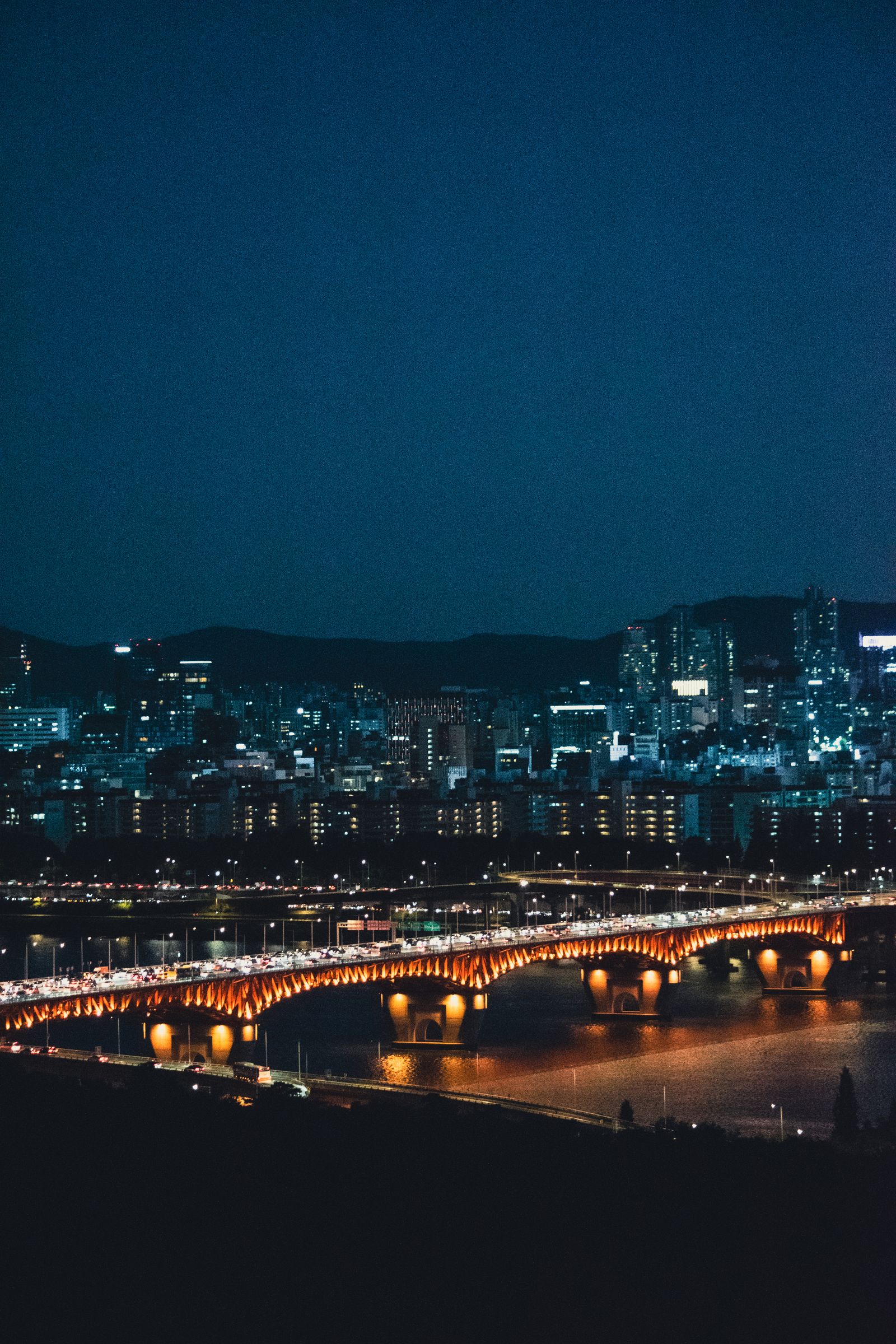
Seoul’s city government has kicked off July 2026 with a cluster of new public-life policies, the most technically notable being AI-powered CCTV cameras installed along Han River walkway sections, designed to detect trespassers during scheduled water releases from upstream dams — a safety measure aimed at a recurring hazard for joggers, cyclists, and picnickers who use the riverside paths that flood without warning when floodgates open.
The cameras use computer-vision detection to flag people who enter restricted zones once a release is scheduled, automatically alerting monitoring staff rather than relying solely on human patrols or physical barriers, which have had limited success given how heavily used the Han River paths are at all hours.
Alongside the safety rollout, the city is proceeding with a phased reopening of Nodeul Island, the Han River waterfront cultural space that has cycled through several redevelopment plans over the past decade. The July phase opens select outdoor sections to the public while performance and gallery facilities continue to come online incrementally, part of Seoul’s effort to activate more of its riverfront for everyday leisure use rather than one-off events.
The Dongdaehun Design Plaza is also adding rooftop tours this month, opening up a vantage point over the Zaha Hadid-designed building’s roofline that has previously been closed to general visitors, giving both tourists and locals a new option for a short, low-cost outing in the Dongdaemun area.
Together, the measures reflect a routine but telling pattern in Seoul governance: incremental, safety- and access-focused adjustments to public space rolled out in batches at the start of each month, aimed less at headline-grabbing mega-projects and more at the daily friction points of city life.
Source: Seoul Metropolitan Government July 2026 policy announcements covering Han River safety CCTV, Nodeul Island, and DDP rooftop access.