For years, opening a cafe in South Korea was a rite of passage for career-changers and retirees looking for a second act — low barriers to entry, a culture that treats coffee as a daily ritual, and a customer base willing to pay a premium for a well-designed space. In 2026, that math has changed. With upward of 100,000 coffee shops now operating nationwide, saturation has become the defining fact of the industry, and the businesses surviving it are the ones that stopped competing on looks alone.
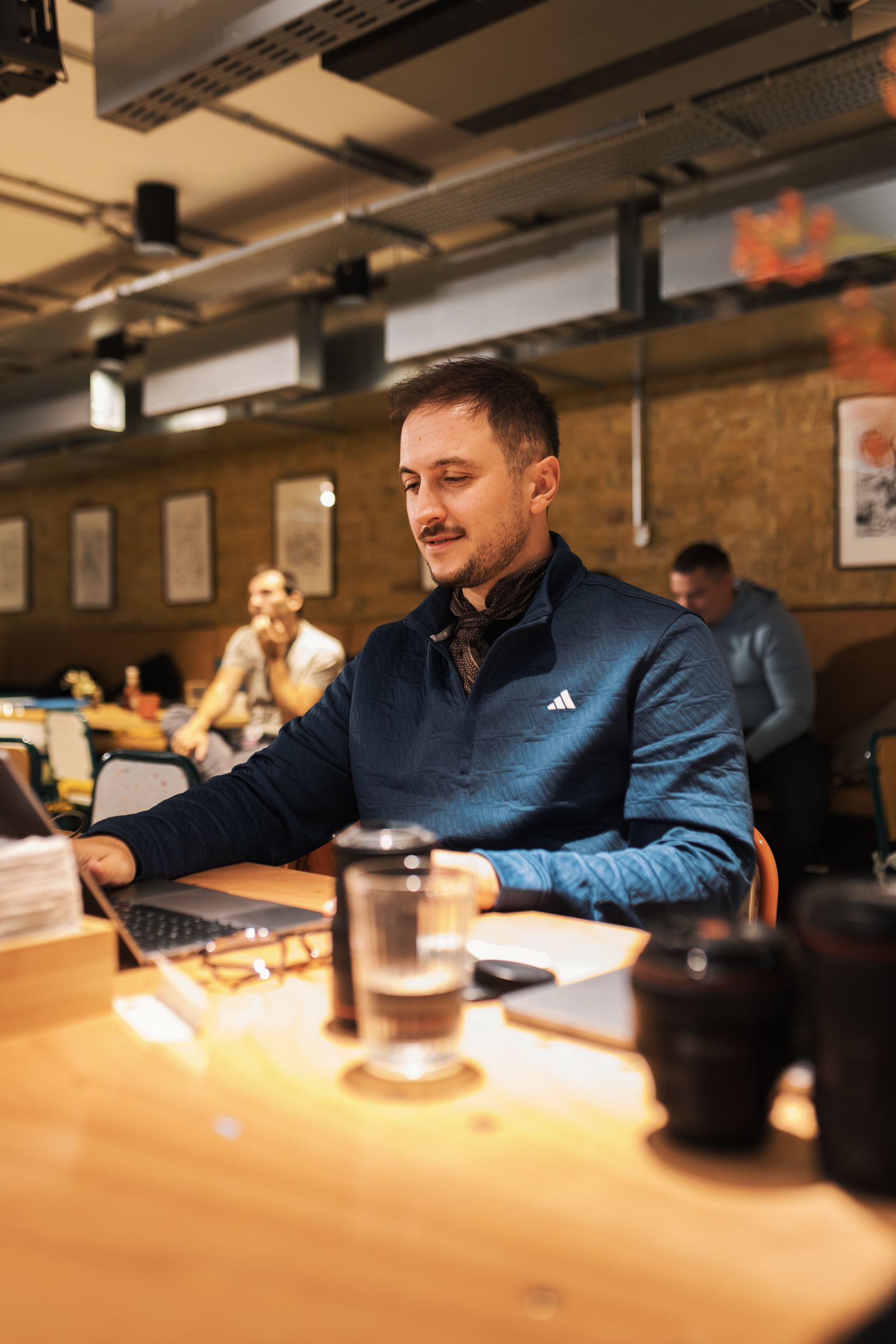
What replaces the aesthetics-first model is efficiency: smaller footprints, tighter menus, faster turnover, and formats built around how people actually use cafes now — as remote-work substitutes, quick meeting spots, or single-serving errands via delivery apps rather than leisurely sit-down destinations. Franchise chains have leaned hard into this, expanding take-out-only and drive-through formats that need a fraction of the staff and real estate of a traditional cafe.
Independent shop owners describe a tougher environment where a beautiful interior alone no longer guarantees foot traffic; algorithms and delivery-app rankings now matter as much as street-level visibility. Many are consolidating operations, cutting the sprawling menus that were common a few years ago down to a handful of signature drinks that can be made quickly and consistently, since speed has become a bigger differentiator than novelty.
The shift also shows up in who is opening cafes. Where the boom years drew hobbyists and passion-project owners, 2026’s new entrants are more likely to come in with a business plan built around unit economics from day one — recognizing that a market this crowded punishes anyone treating a cafe as a lifestyle purchase rather than a competitive retail business.
For visitors, the change is visible in the growing number of small-format, efficiency-built cafes squeezed into transit corridors and office districts, a contrast to the sprawling, photo-friendly mega-cafes that once defined Korea’s coffee-shop image abroad.
Source: Industry coverage of South Korea’s coffee shop market saturation and startup efficiency trends, 2026.