Table of Contents
Nine Years Between Joint Training Sessions
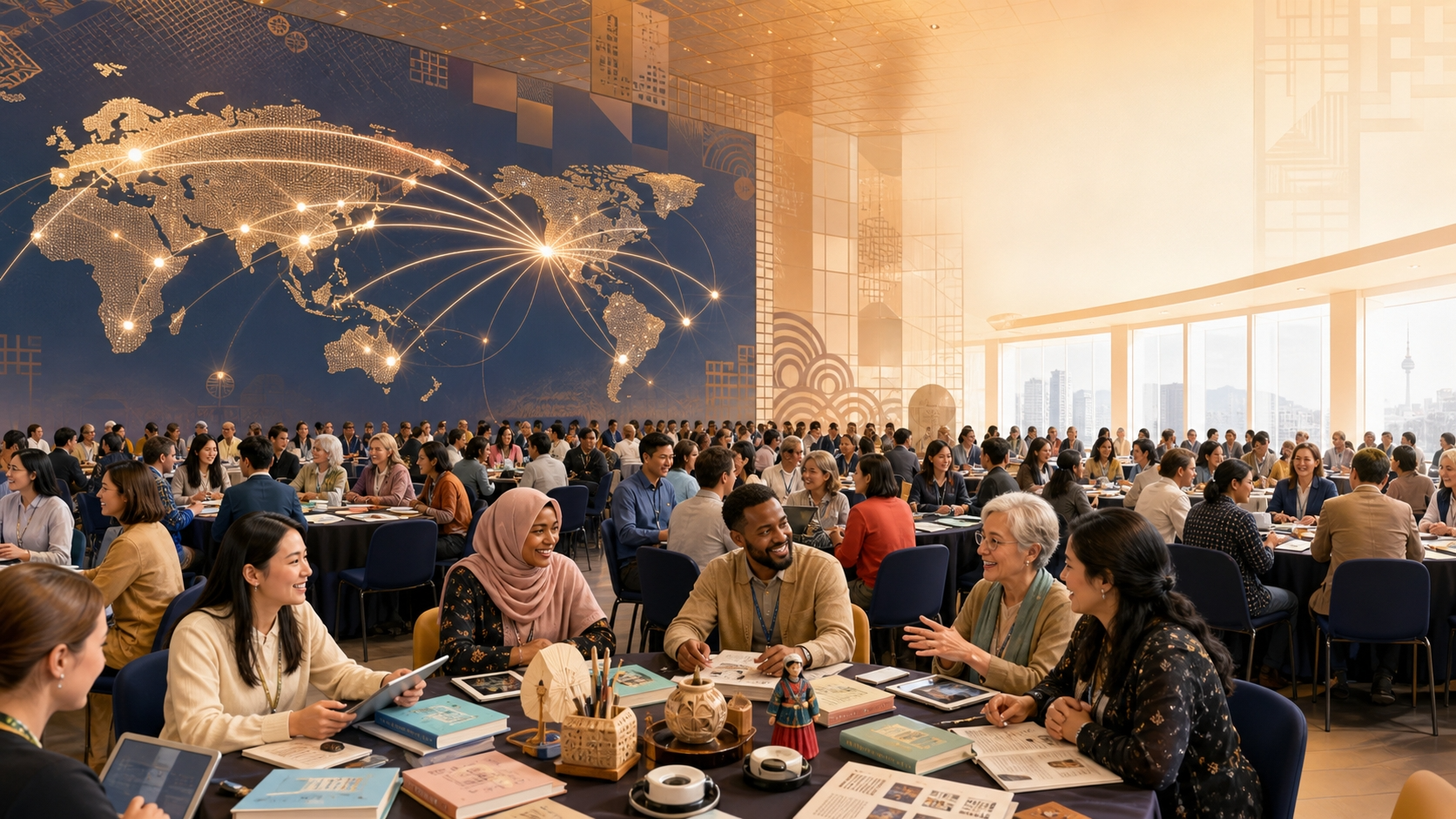
On July 13, the “2026 Global Korean Language Educators Integrated Training” convened in Seoul. Roughly 550 educators who teach Korean worldwide attended, with the full program running through July 16. A follow-on individual training from July 14–16 drew 209 participants. The linchpin was a single word: “integration.”
Breaking Down Institutional Silos
This was co-hosted by the Ministry of Culture, Sports and Tourism; the Ministry of Education; the Ministry of Foreign Affairs; and the Overseas Koreans Agency. This marked the first integrated training session across these agencies in nine years. Until now, Korean language education operated in separate channels. Sejong Institutes fell under the culture ministry; overseas Korean schools and Korean language academies operated under the education ministry and overseas Koreans agency; and diplomatic missions handled their own programs. The same language was being taught through fragmented curricula, teaching materials, and professional development systems—a longstanding inefficiency.
Methodology Plus Cultural Competency
Training encompassed Korean language pedagogy plus hands-on cultural education. Business Korean and other professional teaching cases circulated as exemplary practices. This shift is noteworthy: learning demand emerging from Hallyu fandom is now expanding into employment and workplace literacy. Vietnam’s best-practice award showcased Southeast Asia’s surging appetite.

The Numbers: Growth and Bottleneck
Sejong Institutes launched in 2007 with 13 locations across three countries. Today they span 250+ locations across 80+ countries, with cumulative enrollment in the millions. Competition for new Sejong Institute designation has become newsworthy. Yet the bottleneck is real: demand explodes while qualified teachers—especially those versed in local contexts—remain critically scarce. That the training explicitly foregrounded “inter-agency communication and cooperation” as a goal reflects this urgency.
Who Built the Hunger for Korean?
Content, not government, sparked the learning boom. But converting that enthusiasm into sustainable education depends on teachers and teaching materials. Whether this nine-year integration becomes a one-off convening or drives real systemic alignment will determine whether the momentum holds.
Source: Ministry of Culture, Sports and Tourism / Ministry of Education / 2026 Global Korean Language Educators Integrated Training, July 2026