Table of Contents
Line Manga takes direct control of its ad sales in Japan
Naver Webtoon’s Japanese platform, Line Manga, is shifting its local advertising business from an agency-outsourced model to direct sales. Starting in the second half of this year, Line Manga has launched full-scale direct sales efforts, actively seeking out advertisers on its own. It’s a strategy to go beyond just distributing webtoon content, leveraging the platform’s massive user base and unique storytelling formats to drive ad revenue. By stepping directly into the sales process, the platform aims to build closer relationships with advertisers and diversify its income streams in Japan.
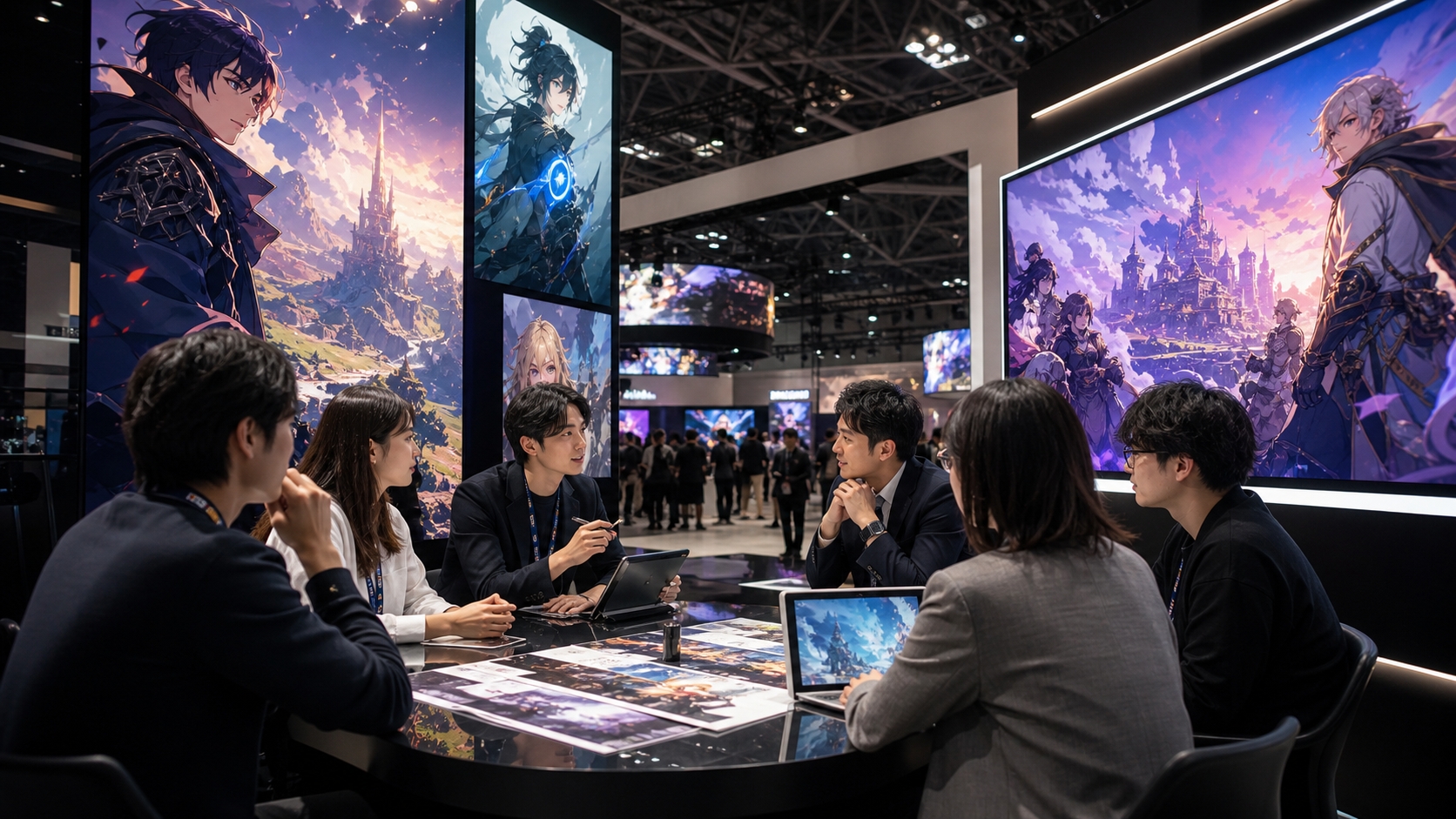
The gaming industry is their first target. At Tokyo Game Show 2026, Asia’s largest gaming expo, Naver Webtoon set up a B2B booth and held business meetings with representatives from around 100 game companies. Rather than focusing on promoting webtoons to everyday attendees, the company used the event as a strategic sales stage to pitch Line Manga’s ad business to potential corporate partners all in one place. The event effectively served as their official debut, announcing the shift to direct sales to gaming studios and local industry insiders.
The core of this pivot is Line Manga’s redefined role in the ad sales pipeline. While external agencies used to act as middlemen between advertisers and the platform, the direct sales model allows the platform to brainstorm collaborations face-to-face with brands. Line Manga now pitches its own ideas on how to seamlessly blend a client’s game with its webtoon format, aiming to turn these creative proposals into a fresh revenue stream in Japan. It marks a clear evolution of the platform from a simple content distributor into a proactive force in ad planning and sales.
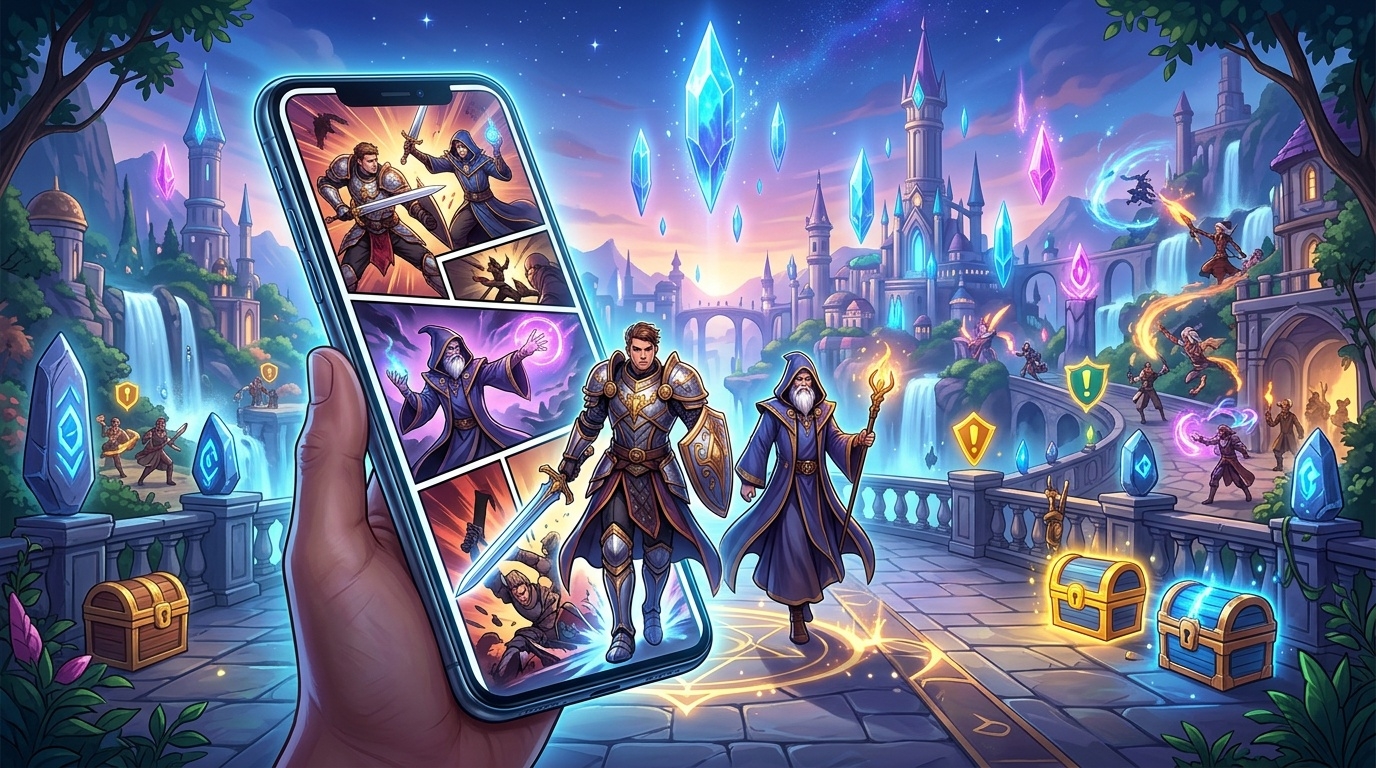
Bridging the narrative structures of webtoons and games
Naver Webtoon’s decision to target game companies first stems from the heavy overlap in their user bases. Both webtoons and games capture attention through strong characters, immersive worlds, and serialized narratives. Just as readers follow a webtoon’s protagonist and plot, gamers immerse themselves in a title by understanding its characters and lore, which makes it a natural fit to bridge the two for advertising. For users already fluent in both mediums, delivering a game commercial through a webtoon’s narrative feels seamless rather than intrusive.
This synergy goes far beyond simply slapping a game’s logo on a webtoon panel. By weaving a new game’s setting and characters into a webtoon storyline, advertisers can deliver their message as an engaging narrative. Game studios get a creative space to highlight their title’s unique features, while Line Manga turns its storytelling strength into a premium ad product. Blurring the lines between advertisement and content, this approach allows users to grasp a game’s universe naturally through the flow of a story.
Naver Webtoon already has a track record of storytelling ad collaborations with major players like Sega, Capcom, and Sony’s PlayStation. They have successfully blended webtoon narratives with the distinct worlds of these gaming giants and platforms. Meeting with about 100 game studios at the Tokyo Game Show was a strategic move to pitch this proven model to a much wider pool of potential advertisers. It was a hands-on opportunity to show the industry exactly how webtoon-style ads can supercharge game marketing, backed by real success stories.
Moving from agency outsourcing to direct sales
Until now, Line Manga relied on external agencies to run its ad business in Japan. In a system where agencies find advertisers and broker the sales, the platform provides the content and ad space, but the actual hustling happens off-site. This recent pivot means Line Manga is taking the wheel, handling everything from initial client outreach to pitching tailored ad packages. They are shifting to a structure where they can directly align what the advertiser wants with the narrative formats the platform can deliver.
After fine-tuning its ad products and sales frameworks for the Japanese market, Line Manga fully launched its direct sales operations in the second half of this year. Their B2B booth at the Tokyo Game Show was the front line where this new system met real-world advertisers. Meeting with a hundred companies wasn’t just about declaring their new sales approach; it was a hands-on process to gauge real collaboration potential within the gaming sector. By listening to the needs of various game studios in one room, they laid the groundwork to turn their ad products into concrete business partnerships.
Of course, taking a meeting doesn’t automatically translate into signed contracts or immediate revenue. The real test is how many of the game studios met at the expo will buy Line Manga’s ad products, and whether initial storytelling campaigns can snowball into recurring deals. The true success of this direct sales pivot will be measured not by the sheer number of handshakes, but by the scale and longevity of the collaborations that follow. These Tokyo Game Show meetings are best viewed not as a final victory, but as the critical first step in building future momentum.

Ad revenue grew, but overall Japanese revenue slipped
The shift to direct sales is also driven by a pressing need to diversify Webtoon Entertainment’s revenue streams. A webtoon platform generates income not just from readers buying episodes, but also from the ads running within the app. By dealing directly with advertisers, Line Manga gains much more room to leverage its massive Japanese user base and webtoon production capabilities as an independent revenue engine. It is a strategic move to broaden their income sources, bolstering advertising as a sturdy second pillar alongside their core content sales.
In the first half of 2026, Webtoon Entertainment’s advertising revenue hit $90.6 million, up 6.5% from the same period last year. This highlights that the ad business is a genuinely growing segment across the platform. Naver Webtoon’s push to expand direct sales in Japan is a deliberate attempt to channel this broader advertising momentum into their local operations. Because advertising is a proven growth area, the need to take the reins and manage the Japanese sales structure internally became impossible to ignore.
Conversely, during that same timeframe, their overall Japanese revenue came in at $324.5 million, a 5.2% drop from the previous year. We are seeing a simultaneous rise in overall ad revenue and a dip in Japanese regional revenue. This is exactly why they are eager to nurture advertising as a fresh growth engine in Japan. There is a pressing need to offset the plateau in their traditional business with ad profits and widen their local revenue base. Direct ad sales serve as a pragmatic response, directly transplanting a thriving business segment into a market that needs a financial boost.
Targeting Japan’s growing digital ad market
Shifts in the broader Japanese ad market also validate Line Manga’s new direction. According to data from Dentsu, Japan’s digital advertising market swelled by 21.4% between 2023 and 2025. With advertising dollars aggressively migrating online, digital content platforms with massive user bases are staring at fresh business opportunities. Line Manga is tapping into this current, refusing to leave ad sales entirely in the hands of third-party agencies. They realize that capturing this market growth and turning it into platform revenue requires the internal hustle to secure advertisers directly.
Game studios, in particular, are highly lucrative potential clients eager to tap into the storytelling power of webtoons. Previous partnerships with Sega, Capcom, and PlayStation prove that blending webtoons and games makes for highly effective real-world ad campaigns. Leveraging this track record, Naver Webtoon used the Tokyo Game Show to pitch their collaborative model to a much wider audience, hoping to evolve Line Manga’s ad business from one-off projects into a sustainable, scalable sales pipeline. The ultimate goal is to grow beyond single-production partnerships into an essential marketing avenue for multiple game companies.
What remains to be seen is how many of those 100 meetings translate into signed contracts. While the booming Japanese digital ad market and the strong crossover between webtoon and gaming audiences provide the perfect conditions for expansion, they don’t guarantee a revenue rebound on their own. Line Manga’s pivot to direct sales is a bold attempt to package the webtoon narrative into a premium ad product, strategically cushioning the dip in Japanese revenue with a new income stream. The next big challenge is whether they can transform these initial connections in the gaming industry into long-term, lucrative advertising partnerships.
Source: Seoul Economic Daily, September 20, 2026; Webtoon Entertainment First Half Earnings Report, 2026; Dentsu Japan Advertising Market Report, 2026.