
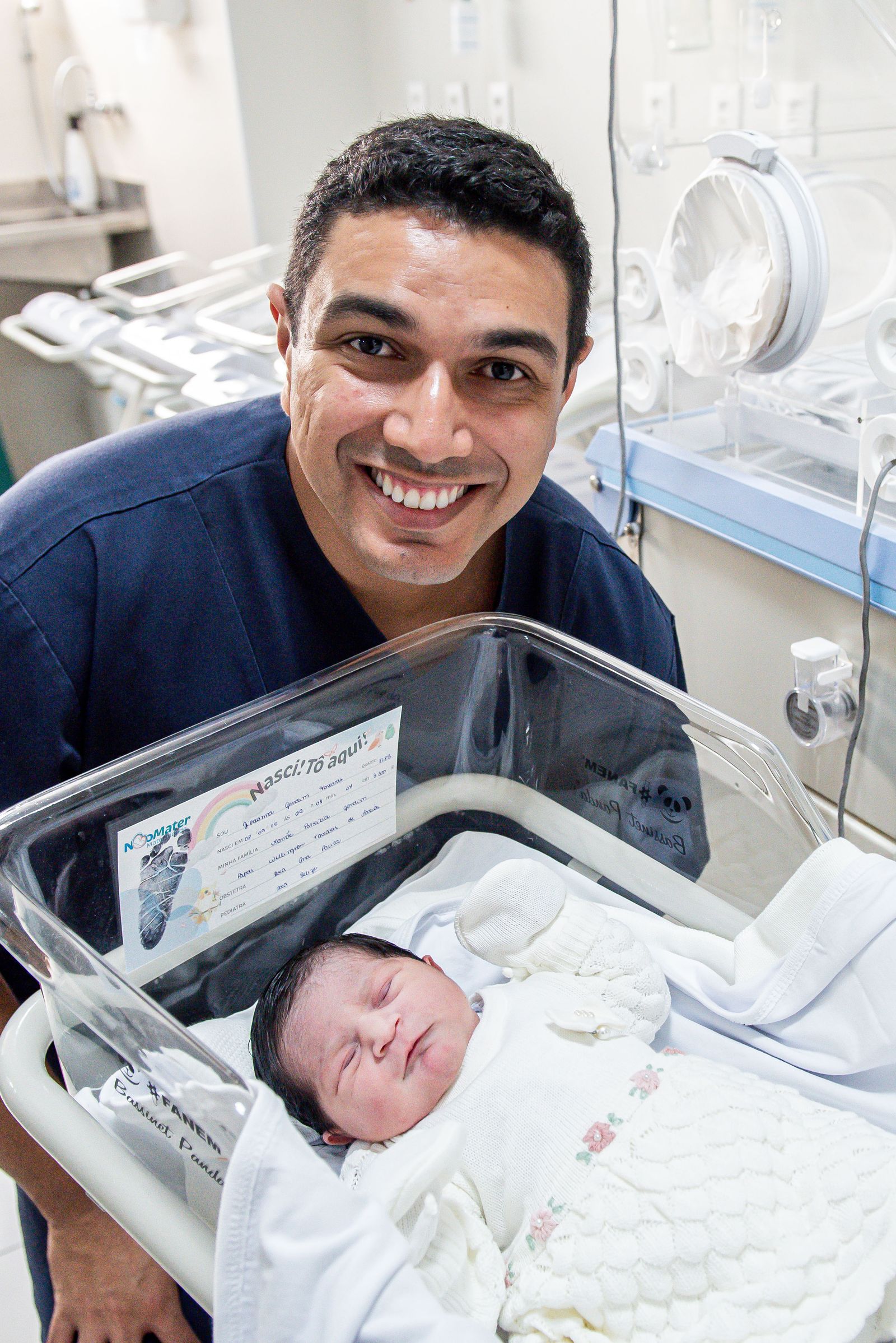
For a country that has spent years as the global poster child for demographic decline, the numbers coming out of Korea this spring are turning heads. According to “March Population Trends” data released May 27 by Statistics Korea (now reorganized as the National Data Agency), the number of babies born in the first quarter of 2026 reached 75,013, up 9,651 from the same period a year earlier, a 14.8 percent jump. Both the rate and the raw increase were the largest ever recorded for a first quarter since the country began compiling these statistics in 1981.
March itself told a similarly striking story. Births that month hit 25,200, up 4,088, or 19.4 percent, from March of the previous year, the highest March figure in seven years, since 2019’s 27,049. That 19.4 percent increase was the largest monthly percentage jump on record dating back to 1981, and the raw increase of 4,088 births was the biggest since 1993, a 33-year record. March also marked the 21st consecutive month of year-over-year increases in monthly births, a streak stretching back to July 2024.
Underlying fertility measures moved in tandem. The total fertility rate, the average number of children a woman is expected to have over her lifetime, rose to 0.93 for March, up 0.15 from the year before, and to 0.95 for the full first quarter, up 0.12. That builds on a broader recovery already underway: Korea’s annual total fertility rate bottomed out at a record-low 0.72 in 2023, before climbing to 0.75 in 2024 and 0.80 in 2025.
The rebound is concentrated in a specific group: women in their early thirties. Age-specific birth rates for women aged 30 to 34 rose by 11.3 births per 1,000 women to 88.5, and for those 35 to 39 by 9.0 to 62.4, together accounting for most of the overall increase. A National Data Agency official attributed the trend to a combination of factors: marriages have now risen for 24 consecutive months (excluding one dip in February due to fewer business days around the Lunar New Year holiday), the population of women in their early thirties has grown structurally, and public attitudes toward having children appear to be shifting in a more positive direction. First-quarter marriages totaled 62,309, up 3,609, or 6.1 percent, year over year.
The country’s underlying demographic pressures haven’t disappeared, deaths still outnumbered births by 18,037 in the first quarter, continuing Korea’s pattern of natural population decline as its population ages. But for policymakers who have poured enormous resources into reversing the country’s fertility slide, even a modest, sustained upward trend counts as a rare and welcome signal.
Source: Jo A-ra, eToday, May 27, 2026, citing National Data Agency “March Population Trends” report.