Not long ago, Seongsu-dong was known mainly for its red-brick shoe factories and industrial warehouses. Today it’s arguably the single fastest-growing destination for foreign visitors to Seoul, and the numbers are almost hard to believe: foreign visitor traffic to the neighborhood has increased roughly 24-fold since 2017, according to recent tourism data, a rate of growth that has left even longtime observers of Seoul’s neighborhood cycles surprised.
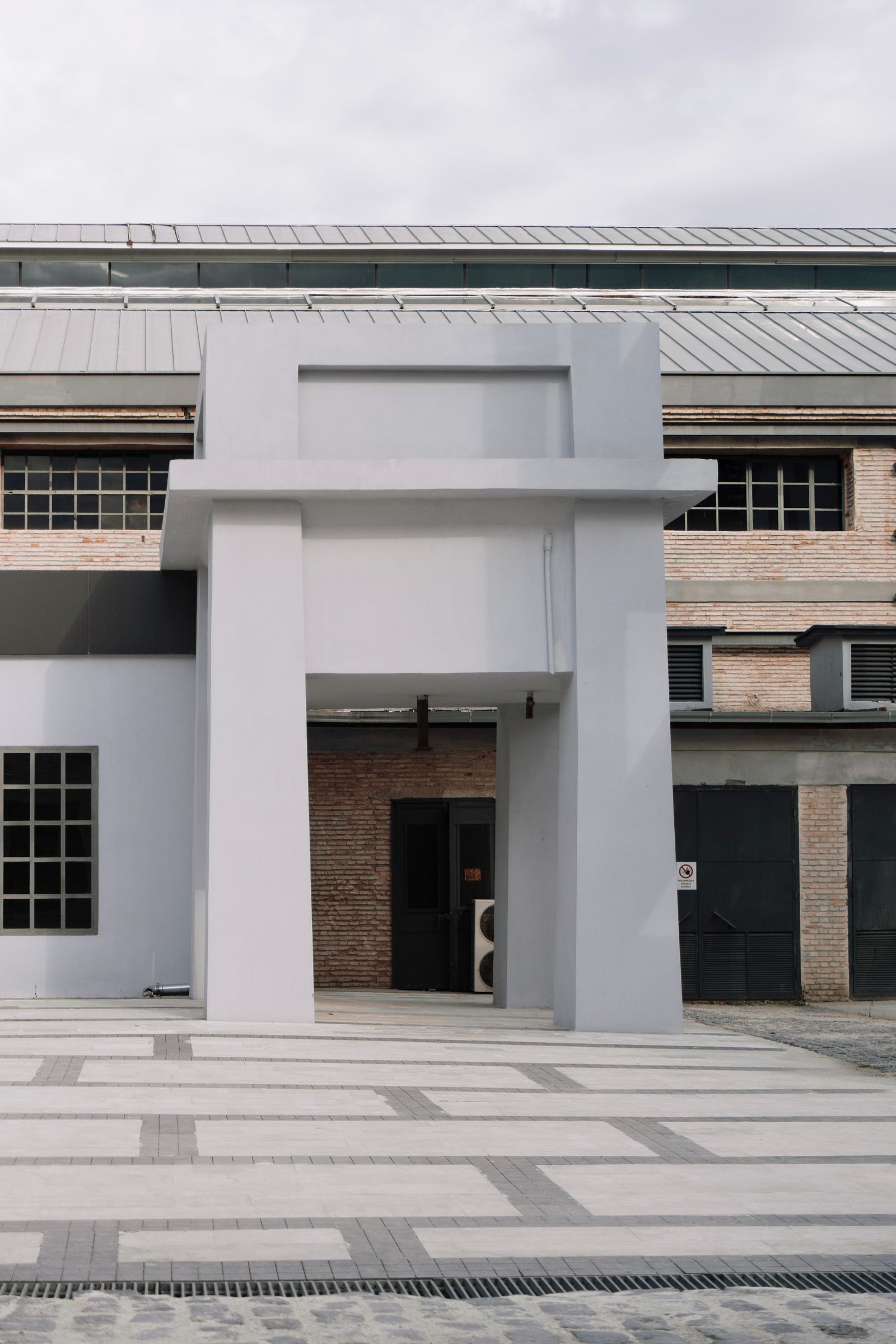
Much of the district’s appeal lies in exactly the thing that used to define it: its industrial bones. Old factory shells and warehouse buildings have been converted, rather than demolished, into cafes, concept stores, and galleries, giving Seongsu a rougher, more textured look than the glossier shopping districts elsewhere in the city. That aesthetic has made it something of a physical embodiment of Korean MZ-generation culture, the local shorthand for the Millennial-and-Gen-Z demographic driving much of the country’s current consumer trends.
The neighborhood has also become, by a wide margin, the pop-up store capital of Korea. In April 2026 alone, more than 100 different pop-up stores operated in Seongsu-dong, according to tracking of the district’s retail activity, turning a single walk through the neighborhood into an ever-changing rotation of limited-time brand experiences that draw crowds specifically hunting for them.
Visitors looking for a starting point tend to gravitate toward a cluster of now-familiar names: Seoul Forest, the sprawling riverside park that was, as of this spring, in the middle of a tulip festival with the park in full bloom; the Seongsu-dong cafe street, dense with independently designed coffee shops; RealWorld Seongsu, an immersive game-based attraction; the Lumiere Perfume workshop for scent-making sessions; Kia’s Unplugged Ground brand experience space; and Custom Film Seongsu, a self-serve photo studio styled after Korean-style photo booths.
What makes Seongsu-dong distinct from more traditional tourist zones like Myeongdong is exactly what draws people there in the first place: it isn’t built around monuments or shopping strips designed for tourists, but around the everyday textures of contemporary Korean youth culture, the same cafes, pop-ups, and photo spots that young Koreans themselves are visiting. For travelers chasing an authentic, of-the-moment slice of Seoul life rather than a checklist of landmarks, that has proven to be the whole draw.
Source: Korean Culture and Information Service (KOCIS) 2025 Foreign Tourism Trends report; Trip.com Seoul travel guide, 2026.