
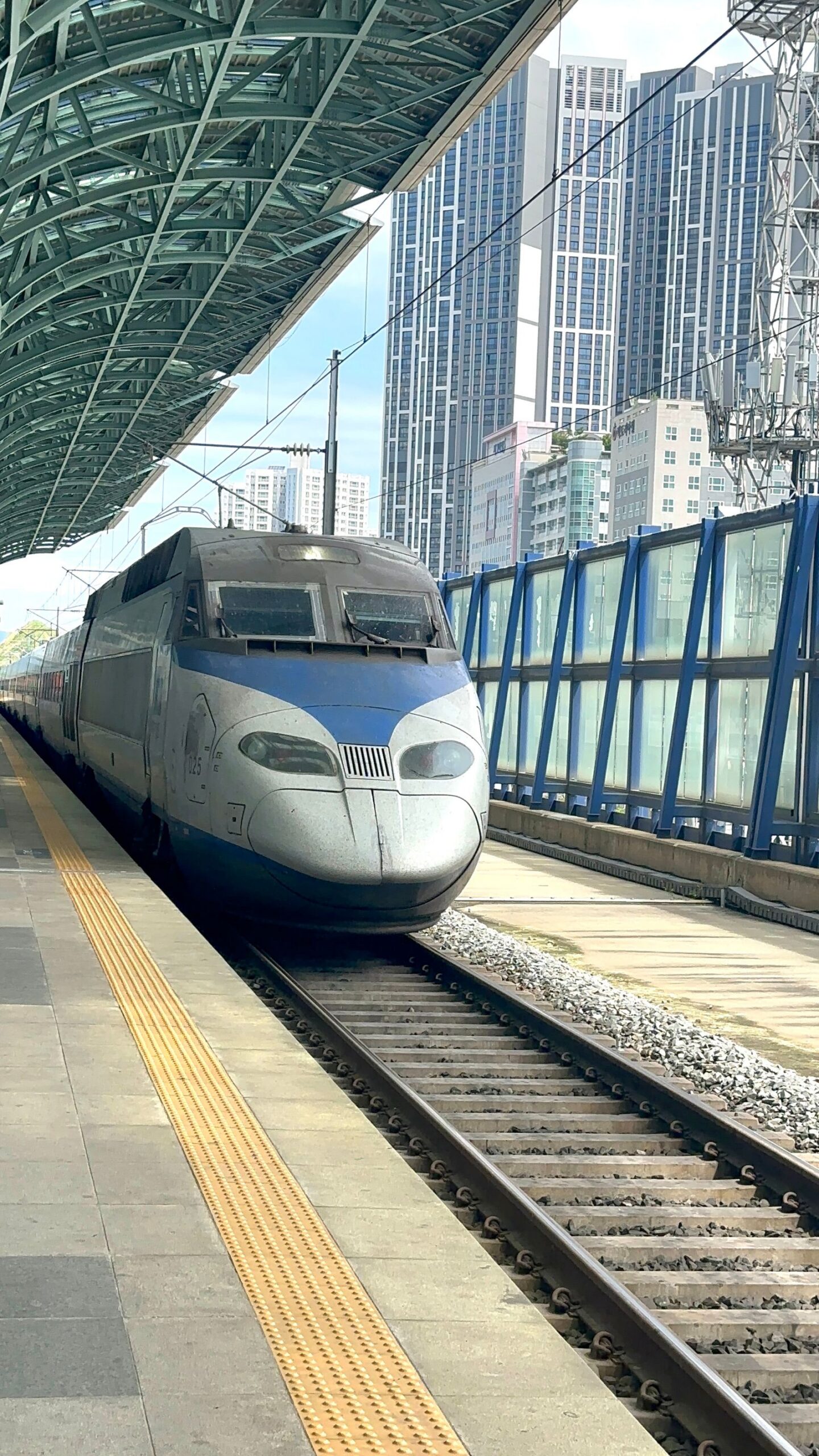
Foreign visitors to Korea are increasingly venturing beyond Seoul, according to first-quarter 2026 tourism data showing the regional visitation rate, the share of foreign tourists who traveled outside the capital during their trip, climbing to 34.5 percent, alongside sharp increases in arrivals through regional airports and regional rail use, up 49.7 percent and 46.4 percent respectively.
The geographic spread marks a meaningful shift for a tourism sector long organized around Seoul as the default, and often only, entry point for international visitors. Regional governments and tourism boards, many of which have spent years trying to capture a larger share of Korea’s growing inbound tourism numbers with limited success, appear to finally be benefiting from a broader travel-style shift among international visitors toward slower, more locally rooted experiences.
The rise in regional airport and rail usage suggests the shift is not simply a matter of day-trippers from Seoul but genuine point-to-point regional travel, with visitors flying or taking trains directly to regional destinations rather than routing everything through the capital first. That distinction matters economically for regional economies, since visitors arriving and staying regionally, rather than day-tripping from a Seoul base, tend to generate more local accommodation, dining and retail spending.
With Korea’s overall inbound tourism numbers already setting records in 2026, the regional dispersion data suggests the country’s tourism growth is not simply concentrating additional pressure on Seoul’s already-strained tourist infrastructure but genuinely broadening the geographic footprint of the boom, a dynamic that regional tourism officials have actively worked to encourage through dedicated marketing and infrastructure investment.
Source: Korea Tourism Organization, 2026 first-quarter regional visitation data, via Kyeongin Ilbo tourism trend coverage.