
Table of Contents
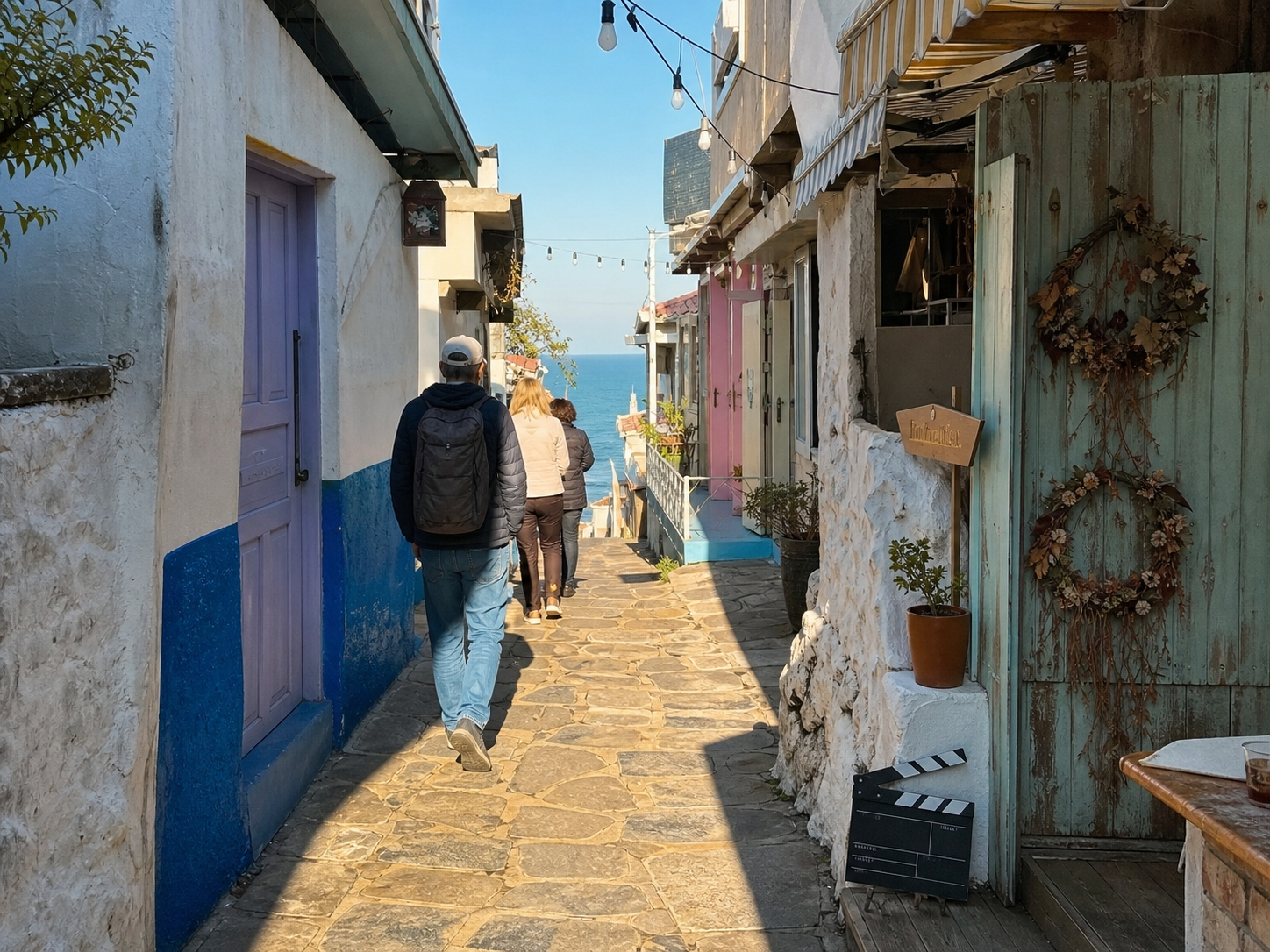
I was standing on a stretch of coastline in Pohang a few months back, coffee in hand, when I noticed something odd — a small wooden signpost with a drama character’s name on it, planted next to what was otherwise just a regular fishing village street. No plaque, no explanation, just a name fans would recognize. That’s the old way Korea has handled screen tourism: a show gets popular, someone slaps up a sign, and everyone hopes the crowds show up before the buzz dies down. As of this summer, that’s officially changing.
The Shift
For years, K-drama tourism followed the same script. A show would air, become a hit, and only then would local governments and businesses scramble to capitalize — building photo spots, renaming cafes, hoping the wave of visitors lasted. Sometimes it worked. Pohang’s Cheonghae area saw visitor numbers jump 23.2% the year after “Hometown Cha-Cha-Cha” aired in 2021. Guryongpo, also in Pohang, saw a 12.5% bump following “When the Camellia Blooms” in 2019. But this reactive approach meant nobody could plan for it. You’d build up infrastructure for a tourism spike, and then the show would fade from conversation, and so would the tourists.
On June 17, 2026, the Korea Tourism Organization (KTO) and Studio Dragon — the production company behind hits like “Descendants of the Sun,” “The Glory,” and “Queen of Tears” — signed a memorandum of understanding that flips this model on its head. Instead of waiting for a drama to blow up and then reacting, tourism planning now starts at the script stage, before a single scene is filmed.
The Plan
The centerpiece of this partnership is something called the Hallyu Olle-gil — roughly, a “Korean Wave trail” — a network of travel routes connecting filming locations across the country. Studio Dragon holds around 300 drama IPs at this point, so there’s no shortage of raw material. The idea is to link these sites with symbolic installations and hands-on experience content, turning what used to be a random assortment of filming spots into something that functions like an actual travel itinerary.
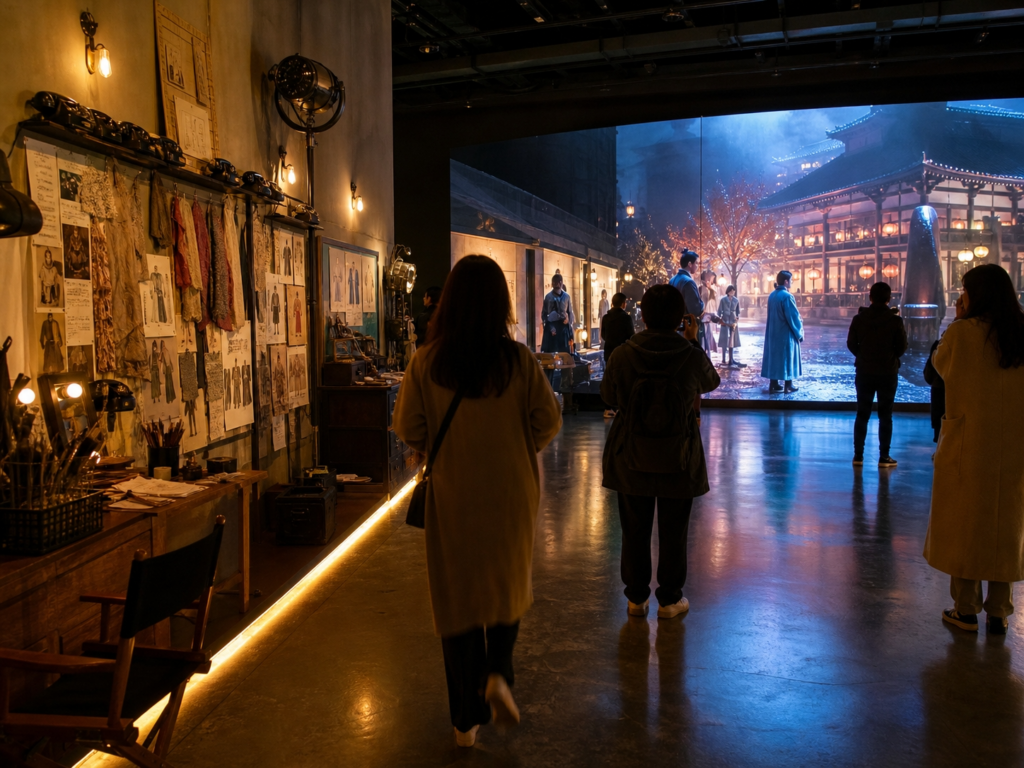
What’s genuinely different here is the timing. KTO and Studio Dragon are now co-developing experiential tourism content starting from a new drama’s script development phase — meaning location scouting can factor in things like accessibility, existing local infrastructure, and what kind of visitor experience makes sense, rather than bolting all that on after the fact. There’s also a physical anchor to this: a “K-Drama Experience Exhibition” opening in the second half of 2026 at HiKR Ground in Seoul’s Cheonggyecheon area, marking Studio Dragon’s tenth anniversary. It’s being built with multimedia infrastructure so visitors can experience the dramas through more than just standing where a scene was shot.
Park Sung-hyuk, president of KTO, framed the goal plainly: “We wanted to collaborate with globally loved K-content IP to convey the appeal of Korean tourism in a friendly and engaging way. Going forward, we will build a virtuous marketing cycle where exposure to content leads directly to an actual visit to Korea.” Studio Dragon’s Yoo Sang-won, who oversees IP strategy, added that the plan is to let both international fans and domestic viewers who’ve long imagined visiting Korea while watching these shows actually step into the spaces, symbols, and settings from the dramas, rolling this out in phases.
The Numbers That Matter
Some context on why this matters right now: Korea crossed 10 million foreign visitors by the end of June 2026, a month earlier than the previous year’s pace. That’s a meaningful acceleration, and dramas are clearly part of the pull. The 2025 drama “Wonstorm” reportedly drove a 76% year-over-year jump in foreign tourists to Jeju after it aired, by July 2026 — the kind of spike that makes a strong case for taking this content seriously as an economic driver, not just a cultural export.
Netflix’s role here is worth noting too. Korean dramas on the platform hit unprecedented global reach in 2026, and that scale is exactly what makes advance planning for tourism impact make sense — when a show can move the needle on international arrivals to a specific island or coastal town, it’s no longer a nice side effect, it’s a variable local governments and tourism boards need to plan around ahead of time rather than scrambling to catch.
The Bet — And the Risk
Here’s where I have to push back a little on the rosier framing. Yes, the numbers above look great in isolation. But every single one of them measures a short-term spike tied to a show that was, at the time, actively popular. What happens two or three years later, once a drama isn’t the thing everyone’s talking about anymore?
MTN reporter Jeon Yoon-hye raised exactly this in a July 3, 2026 piece on the partnership, pointing out that the real challenge is converting temporary fan interest into sustained regional visits — and that while this new pre-production integration is designed to address that problem, it hasn’t been proven at scale yet. That’s a fair caveat. Building a permanent trail network and an exhibition hall is a bigger, more durable bet than a pop-up photo wall, but durability isn’t the same as guaranteed success. There’s also a quieter concern worth mentioning: when K-drama tourism concentrates visitors into small, sometimes historically fragile heritage sites, you risk both environmental wear and real disruption to the people who actually live there — not just camera crews passing through, but tour buses arriving weekly.
What This Means for the Rest of the World
Zoom out and this is really a soft power play with an operational backbone. Korea isn’t just exporting dramas anymore; it’s building the tourism infrastructure around them before the shows even exist, which is a more sophisticated version of the culture-to-commerce pipeline than most countries have attempted. The “Korea Camp” branding tied to a Netflix variety collaboration is part of the same push — showing a range of foreign participants experiencing K-beauty, K-pop, food, and regional culture, aimed at reframing Korea’s image abroad well beyond Seoul’s palace tours and shopping streets.
Whether this becomes the template other content-exporting countries study, or just a case study in ambitious planning that ran into the same fade-out problem as everything before it, honestly depends on what these sites look like in three or four years, not this summer. If you’re planning a trip and want to test this for yourself: pick a filming location tied to an older drama — something from 2019 or 2020, not the current hit — and see whether it still feels worth visiting on its own terms, not just because of what aired on a screen.
Source: Jeon Yoon-hye, MTN, July 3, 2026; Asia Today, June 18, 2026; CJ Newsroom, June 18, 2026.