
Table of Contents
Not Just a Ceremony: Actual Construction Has Begun
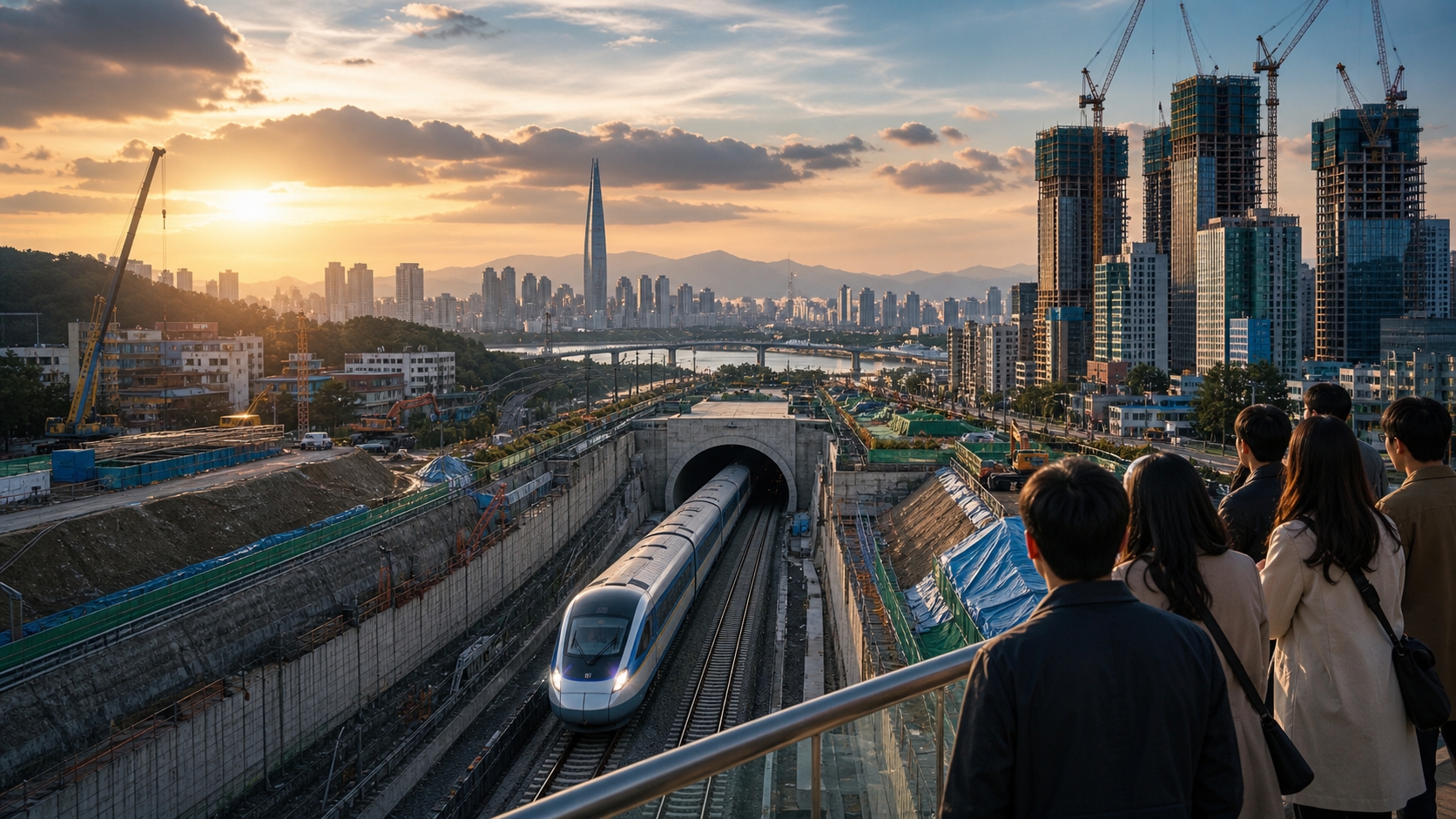
On September 15, the Ministry of Land, Infrastructure and Transport announced the actual start of construction for the Great Train eXpress (GTX) Route C. The 86.6km line stretches from Deokjeong-dong in Yangju, Gyeonggi-do, passing through Cheongnyangni, Samseong, and Yangjae, all the way down to Suwon and Sangnoksu stations. While a groundbreaking ceremony was held back in January 2024, on-site work had been stalled for a long time. This recent commencement is distinctly different from past announcements, moving past symbolic events to kick off the genuine construction phase.
The total project cost for GTX-C stands at 4.9272 trillion won, based on constant 2019 prices. The project is moving forward under a Build-Transfer-Operate (BTO) private investment model, with the construction period set for 60 months from the actual start date. Based on this timeline, the government is targeting completion and opening in the second half of 2031. However, this remains a project goal rather than a finalized opening date, and the actual schedule may shift depending on how construction progresses.
The government’s targeted travel times show a dramatic drop: from about 80 minutes down to roughly 30 minutes between Deokjeong and Samseong, and from 75 minutes to just 30 minutes between Suwon and Cheongnyangni. If the project unfolds as planned, it could fundamentally reshape the daily commute for those traveling long distances across the greater Seoul area’s north-south axis. Keep in mind, though, that these numbers are aspirations for after the launch. They shouldn’t be mistaken for current travel times or guaranteed operational results just yet.
The Groundwork Laid by the 2023 Agreement and Approval
The journey to this actual groundbreaking traces back to the signing of the implementation agreement in August 2023. This agreement was the step that solidified the business structure needed to push GTX-C forward as a private investment project. By formalizing the roles and conditions required to build the line, the project transitioned from the planning stage to execution prep. Still, putting pen to paper didn’t mean excavators could immediately roll onto the construction sites.
In December 2023, the GTX-C implementation plan was officially approved. With both the agreement and the plan approval locked in, the project moved one administrative step closer to breaking ground. For eager commuters, the rapid succession of these major procedures made it feel like actual construction was just around the corner. Yet, a gap remained between an approved paper plan and boots on the ground, with additional hurdles still needing to be cleared.
On January 25, 2024, a groundbreaking ceremony was hosted at Uijeongbu City Hall. The event heightened hopes that GTX-C was finally entering its full-fledged construction phase, but it failed to translate into immediate physical work. Even when the word “groundbreaking” is tossed around, it’s helpful to distinguish between a ceremonial photo-op and the actual start of site operations. In the case of GTX-C, a long gap of about two years and eight months stretched between those two milestones.
The 2-Year, 8-Month Delay Caused by Construction Costs
The core issue that slammed the brakes on actual construction after the ceremony was the cost. Even with agreements signed and plans approved, moving forward is practically impossible without sorting out the financials. Despite clearing necessary administrative hurdles and hosting the celebratory event, GTX-C remained stalled outside the construction zone. For everyday commuters, this meant a frustratingly long wait between hearing the announcement and seeing any real changes to their daily lives.
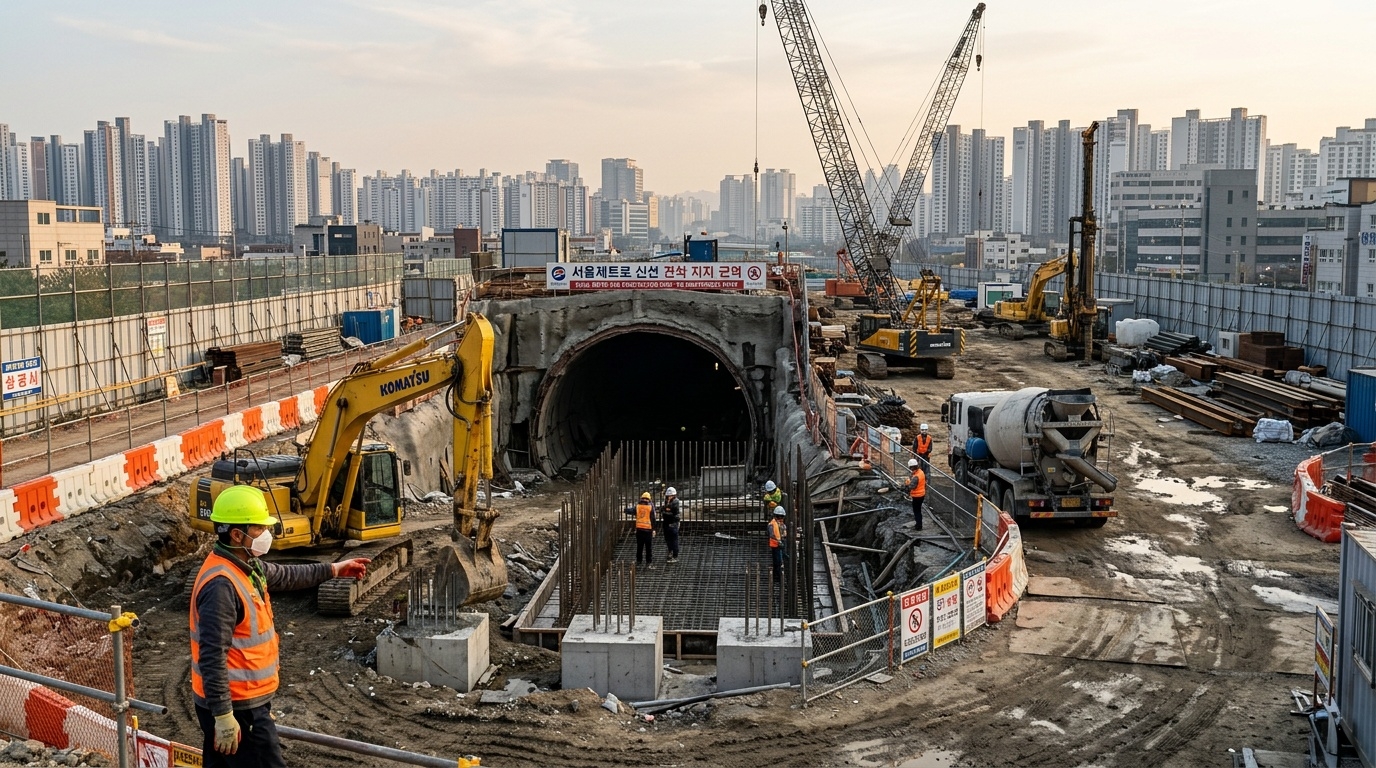
This delay highlights exactly which dates we should be looking at when tracking massive transit projects. A ceremony is a great symbolic way to announce progress, but the official construction timeline only really matters once on-site work begins. Since GTX-C’s construction period is set at 60 months from the actual groundbreaking, calculating the opening date based solely on the 2024 ceremony would be a mistake. The real starting line is September 2026.
This distinction is equally important for expats living in Korea. In local transit announcements, holding a “groundbreaking ceremony” and “starting actual construction” don’t always point to the same date. GTX-C had its ceremony in 2024, but real construction was held up by cost disputes. Rather than just skimming past headlines, checking the current operational phase of a project is the best way to get a realistic read on the timeline.
From Commercial Arbitration to Actual Groundbreaking
The prolonged dispute over construction costs entered a new phase of resolution on November 28, 2025. The involved parties agreed to settle the financial disagreements through commercial arbitration. By handing over a problem that couldn’t be solved through mere discussion to an arbitration process, a formal route was paved to get the project moving again. Of course, even after agreeing to arbitrate, the final ruling on costs and the subsequent administrative paperwork were still pending.
On April 1, 2026, a decision was made to partially increase the GTX-C construction budget. This was the moment a concrete conclusion was reached on the financial hurdle that had been delaying the physical work. However, simply approving a budget bump didn’t mean tractors could start their engines the next day. The project still had to systematically navigate through contract amendments and private investment reviews to weave these new terms into the existing conditions.
With the contract amendments and reviews finally out of the way, GTX-C was able to genuinely break ground on September 15. This is the culmination of a timeline stretching from the 2023 agreement and approval, through the 2024 ceremony and cost disputes, to the 2025 arbitration agreement and the 2026 budget increase. The real takeaway here isn’t just another announcement of a new route; it’s that a stalled project has finally transitioned into an active construction site.
Changes to the Daily Commute Remain in the Goal Phase
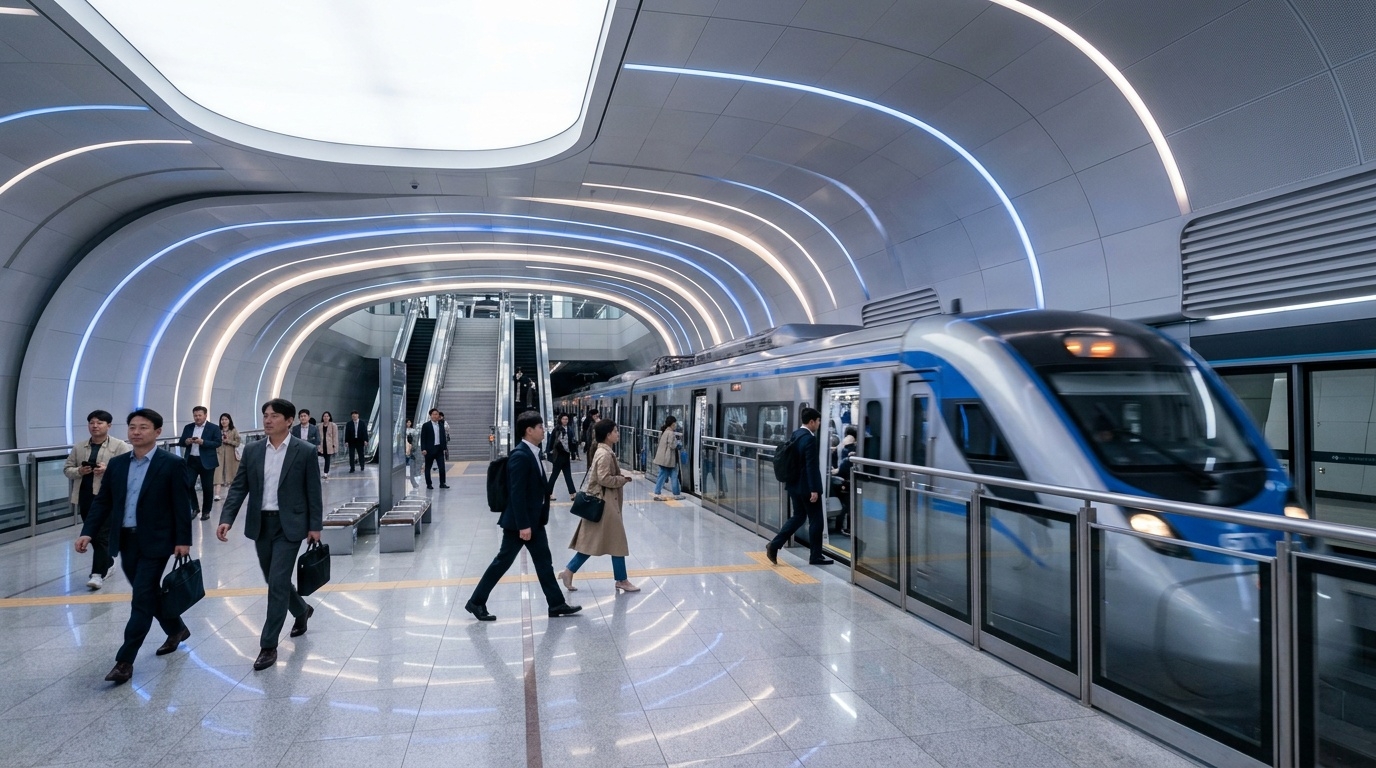
If GTX-C is completed as planned, it will forge an 86.6km transit corridor linking Deokjeong-dong in Yangju, key hubs in Seoul, and stations in Suwon and Sangnoksu. The government’s targets of cutting trips down to about 30 minutes from Deokjeong to Samseong and Suwon to Cheongnyangni highlight a clear vision for slashing long-distance commute times. Commuters might soon be able to rethink the distance between their homes and workplaces purely in terms of time. Yet, these lifestyle upgrades will only become a reality once construction wraps up and the trains are running.
At this stage, it’s best not to jump to conclusions about fares, train frequencies, or specific boarding conditions. The projected travel times are the government’s ambitions for the project, not yet verified metrics from actual trial runs. The construction is slated to take 60 months, making the late 2031 launch a target rather than a promise. For now, it’s wiser to plan your commutes based on existing transit options and keep an eye on official updates for GTX-C’s progress.
The fact that construction has started proves this long-delayed endeavor has finally crossed the starting line. But a massive 60-month building phase still lies between the first dig and the grand opening. Both locals and expats should view this groundbreaking announcement not as a sign that the train is arriving soon, but as the kickoff of a long-term transit evolution. It’s about balancing the excitement of shorter commutes with the reality of the work still ahead.
Information at the Promo Pavilions and the Schedule Ahead
To spread the word about the GTX-C project, the Ministry of Land, Infrastructure and Transport is running a promotional pavilion at Suwon Station from September 16 to 18. Another pavilion at Uijeongbu Station is scheduled for September 20 to 22. Commuters and foreign residents can visit during these dates to check out the route and current project details. Just keep in mind that these pop-ups are meant to celebrate the start of construction, not to announce that opening dates or operational details are set in stone.
GTX-C has finally moved past the ceremonial and delayed phases and entered active construction. What matters most now is how this 60-month endeavor unfolds and how the late 2031 goal materializes. The promise of shorter travel times holds the potential to revolutionize daily commutes in the greater Seoul area, but it remains a vision of the future. Any expectations about the launch should be grounded in the physical progress on site and future updates from the Ministry, rather than unconfirmed forecasts.
Sources: Ministry of Land, Infrastructure and Transport Policy News, September 14, 2026; Yonhap News, September 14, 2026; Newsis, April 1, 2026.