Table of Contents
A New Industry Blueprint Targeting 30 Trillion Won by 2030
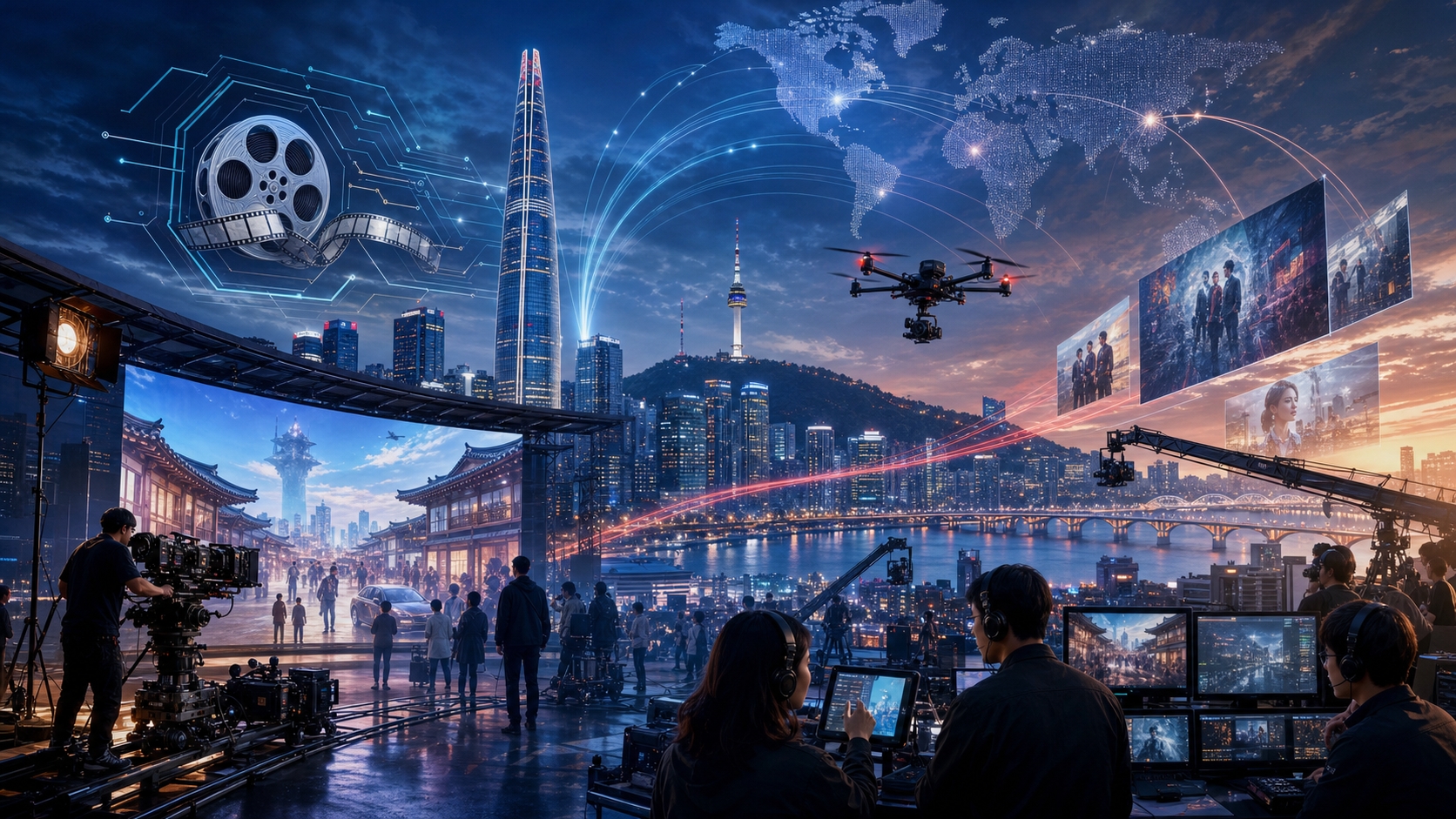
The Ministry of Culture, Sports and Tourism unveiled the ‘7th Mid-to-Long-Term Plan for the Promotion of the Broadcasting and Video Industry (2026-2030)’ on September 10. The government’s targets for 2030 are an industry revenue of 30 trillion won and content exports reaching $3.06 billion. It also aims to double the share of production companies generating over 10 billion won in revenue, from the current 13.9% to 27.8%. The vision goes beyond simply helping individual dramas succeed overseas; it seeks to connect dramas, variety shows, films, OTT platforms, and creator content into a single, cohesive video industry ecosystem.
Built around four main strategies and twelve core initiatives, the plan focuses heavily on empowering creators. A major element is expanding production subsidies so studios can retain their intellectual property (IP), while also sharpening the competitive edge of homegrown OTT platforms to distribute content globally and locally. This is paired with efforts to build a robust production infrastructure and regulatory framework that covers broadcasting, film, animation, and new media, alongside revamped contract and copyright protections. The numerical targets reflect a clear policy direction: building a sustainable structure where production studios and platforms can thrive together, rather than just inflating industry size.
How Global Hits Fueled Industry Growth
This new initiative is rooted in the recent triumphs of Korea’s broadcasting and video sector. In 2024, the industry’s revenue hit 24.99 trillion won, making it the largest segment of the nation’s content market. Exports surged to a record-breaking $1.25 billion, a 20% jump from the previous year, with an average annual growth rate of 16% over the past five years. This proves that broadcasting and video content has evolved far beyond a cultural export; it is now the core engine driving the broader content industry’s revenue and global reach.
Since the 6th plan launched in 2023, hits like ‘Squid Game’ Seasons 2 and 3, ‘Lovely Runner’, ‘The Tale of Lady Ok’, ‘When Life Gives You Tangerines’, and ‘The Tyrant’s Chef’ have captured global audiences. Non-drama variety shows such as ‘Physical: 100’ and ‘Single’s Inferno’ have also drawn massive international followings. This demonstrates that the appeal of Korean video content isn’t confined to a specific drama or single genre; it spans diverse narratives, characters, and unscripted formats. This expanding footprint explains why the government now views the entire video ecosystem as a long-term export powerhouse.
The Hidden Production and Distribution Crises Behind the Success
Yet, global popularity doesn’t automatically translate to stable domestic growth. As global OTT giants tightened their grip, production costs skyrocketed, squeezing the profitability of local platforms. Even when a show becomes a worldwide phenomenon, if local studios fail to secure the IP and vital business rights, it’s nearly impossible to spin that success into sequels or new formats. That is exactly why the new blueprint prioritizes studios’ financing capabilities and IP ownership over merely increasing the number of shows produced.
The way we consume content is fundamentally shifting, too. With the rise of YouTube creators and short-form videos, the traditional production and distribution hierarchies built around linear TV and OTT platforms have fractured and expanded. Audiences no longer stick to rigid TV schedules or feature-length formats; they bounce between platforms, soaking up content of every length and style. Sticking to policies that only support traditional broadcast programs would fail to nurture new stories and characters as they evolve into valuable IPs. The parallel forces of unprecedented success and emerging structural threats became the catalyst for fast-tracking this 7th master plan.
Overhauling Financial Structures to Protect Creators’ IPs
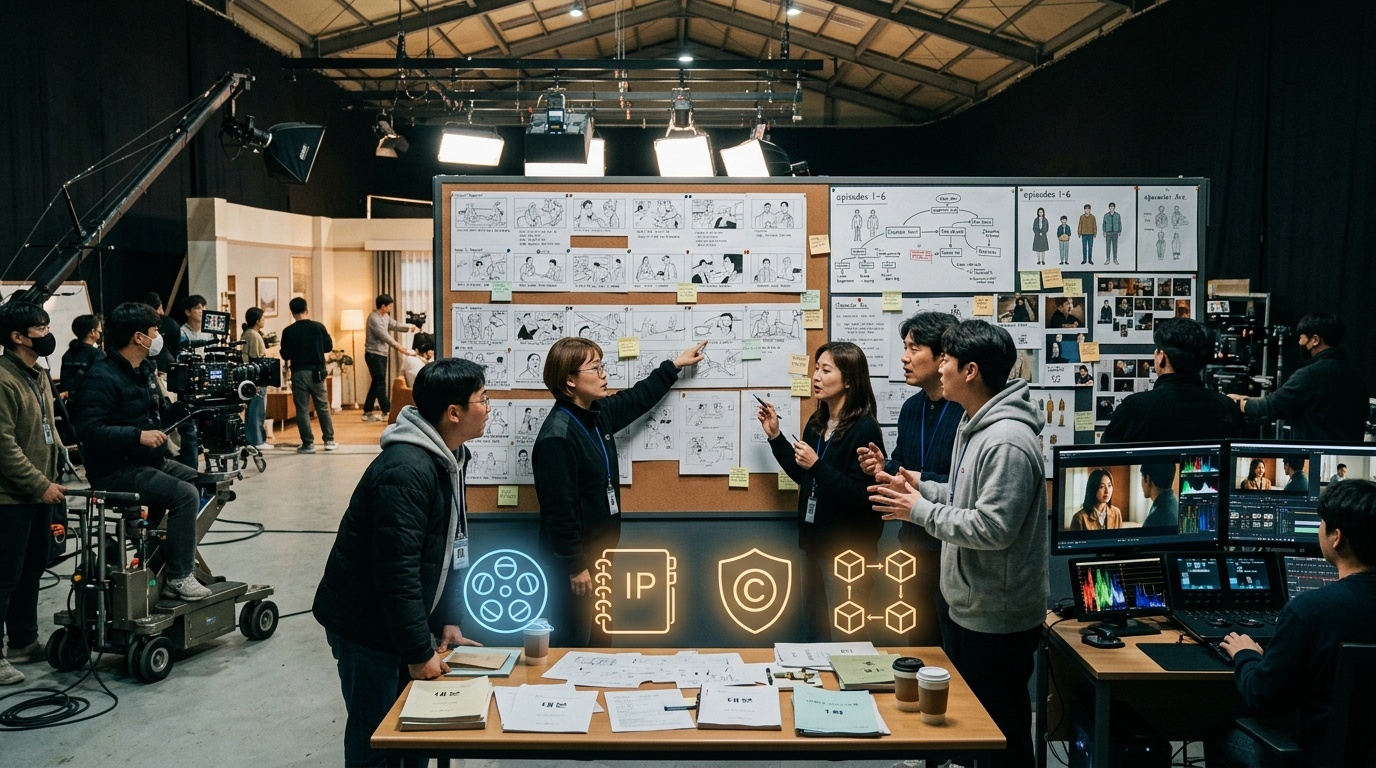
At the heart of the strategy is empowering production studios to own their IP. The Ministry plans to expand production subsidies necessary to secure IP not just for dramas, but also for unscripted formats like variety shows. Over the long haul, by combining investment funds, loans, tax incentives, and direct subsidies, the government aims to help studios self-fund up to 50% of an average drama’s production cost. When studios bring more of their own capital to the table, they gain the leverage needed to negotiate better deals with external platforms and investors, ultimately safeguarding their rights and future franchise opportunities.
This shifts the post-‘Squid Game’ narrative away from simply hunting for the next global blockbuster, and toward figuring out how the financial rewards of that success actually stay within the domestic industry. The logic is clear: studios need IP ownership to expand their works into new formats or greenlight sequels. The plan also redefines the creator economy as a vital incubator for original IP, promising full-cycle support from early planning to production and distribution. It widens the door for new-format creators to grow alongside traditional drama and variety show producers.
A Dual Strategy to Elevate Homegrown OTTs and Production Hubs
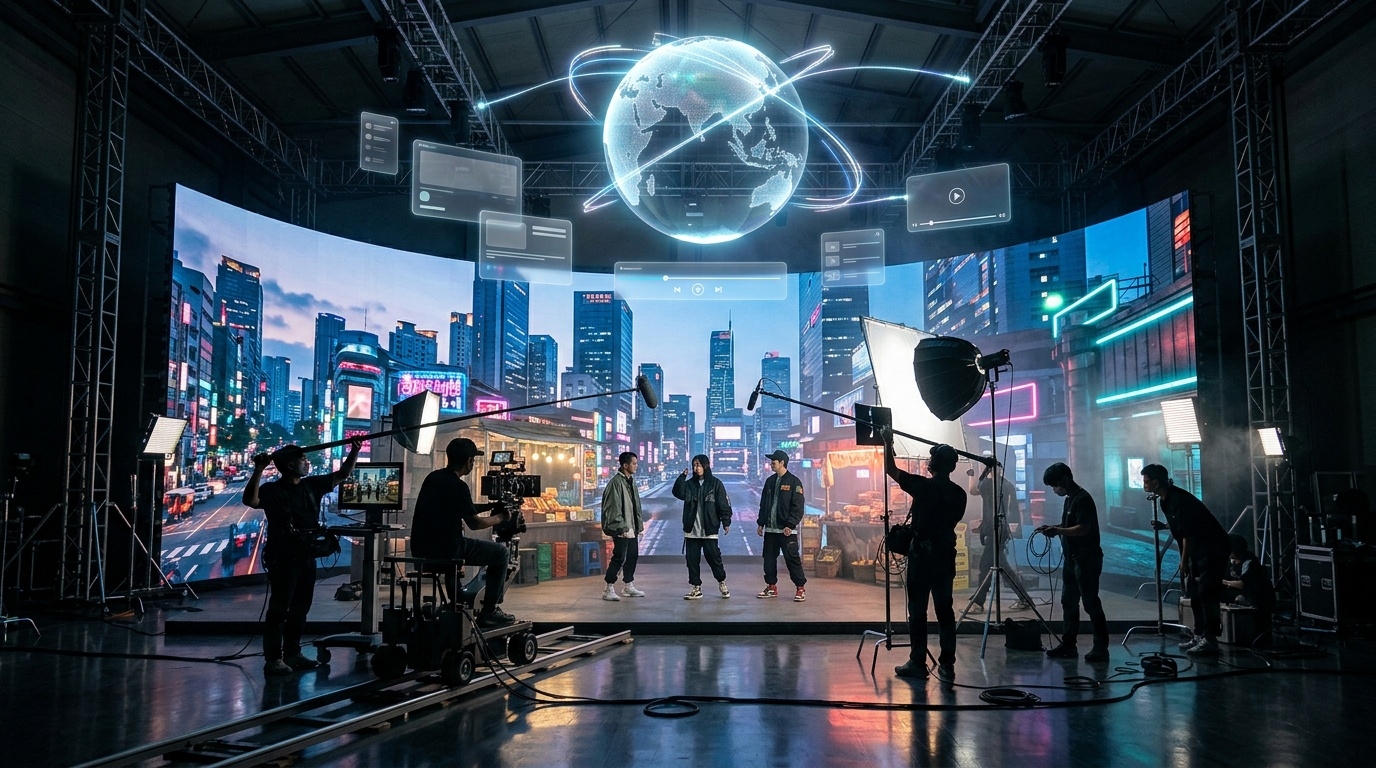
The focus then shifts to strengthening the distribution pipelines that deliver this content to viewers at home and abroad. To boost the competitiveness of domestic OTT platforms, the government will support audio and video remastering of existing content, while continuing to fund the dubbing and subtitling essential for global expansion. Co-productions between local studios and international broadcasters will also see a push. Since simply making great shows isn’t enough to sustain a global competitive edge, the policy framework is being broadened to include localized post-production and targeted distribution.
Ambitions to establish Korea as an international production hub are also on the table. The government will expand location incentives, offering production cost rebates, to attract major foreign blockbusters for domestic filming, reminiscent of ‘Avengers: Age of Ultron’ and ‘Black Panther’. There are also plans to scale the BroadCast WorldWide (BCWW) market into Asia’s premier industry event and bring back the Asian Drama Conference. It reframes content export as more than selling a finished product; it treats co-productions, domestic shoots, and international networking as part of the same effort.
The Final Test: Integrated Frameworks and a Fair Ecosystem
The final strategies pivot toward expanding institutional boundaries and protecting creators’ rights as the industry scales. The government will draft comprehensive promotional legislation that blankets broadcasting, OTT, film, animation, creator content, and new media like AI-generated video and virtual humans. Infrastructure is getting a facelift too, with plans to maximize the use of the virtual production space at Studio Cube in Daejeon and remodel the Digital Magic Space (DMS) studios in Sangam, Seoul. The goal is to modernize the physical infrastructure so that regardless of how a project is filmed, everyone has access to top-tier shooting and post-production facilities.
Contracts, copyright protection, and viewing accessibility form another crucial pillar. Acknowledging the shifts brought by the OTT era, the government will revise standard broadcasting contracts and introduce new standard agreements tailored for creators. International cooperation to protect copyrights will be reinforced using the emergency block system for illegal sites enacted in May 2026, while marginalized groups will receive support for OTT access through the integrated culture voucher program. The 2030 targets of 30 trillion won in revenue and $3.06 billion in exports are about more than just scaling up. The true measure of this plan’s success will be whether this envisioned ecosystem, where studios build IP wealth and homegrown platforms and fresh creators enjoy sustained growth, actually takes root on the ground.
Source: Ministry of Culture, Sports and Tourism Press Release & Newspim, September 10, 2026.