
Table of Contents
A Game Resumes in a Toronto Park
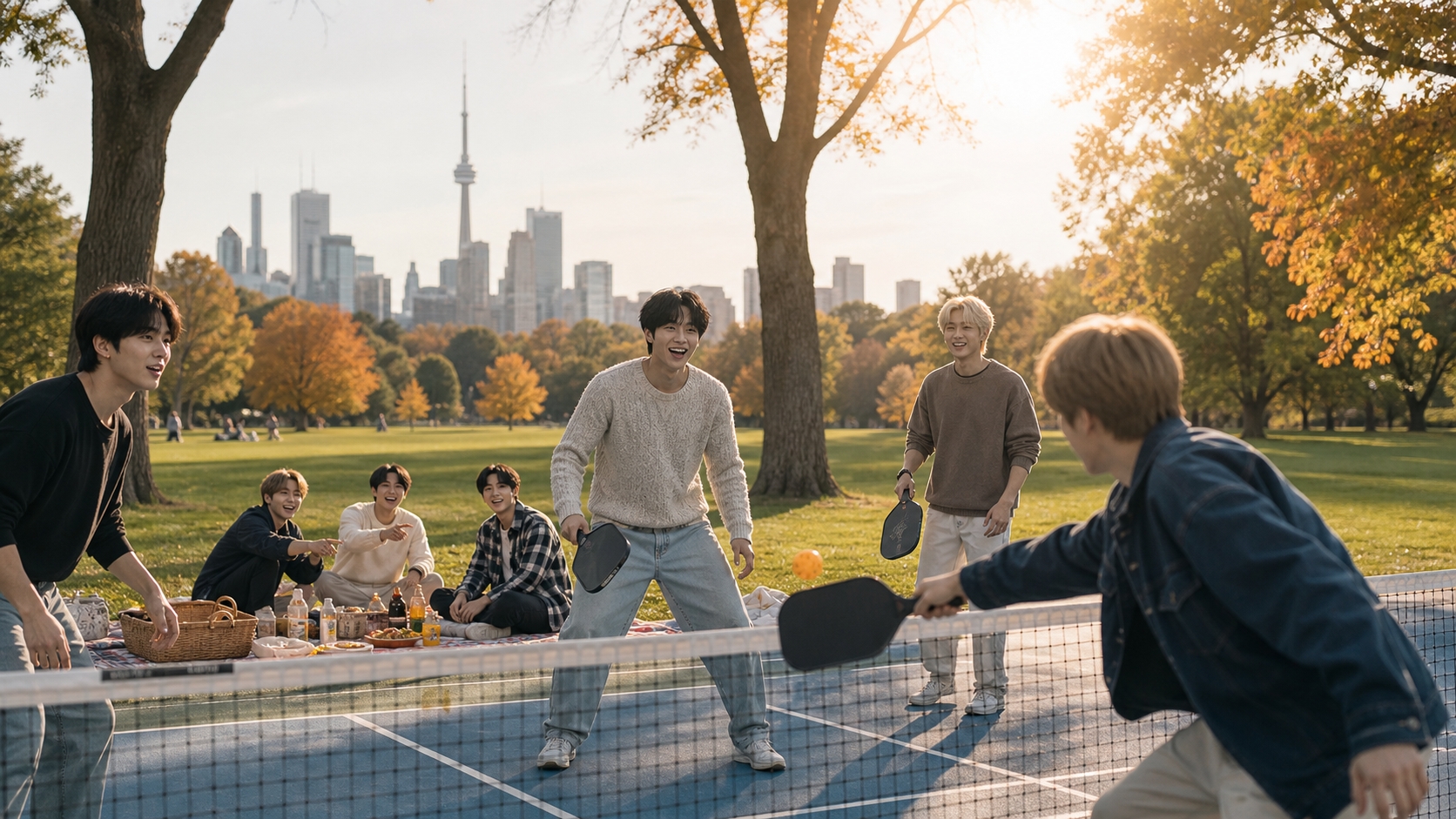
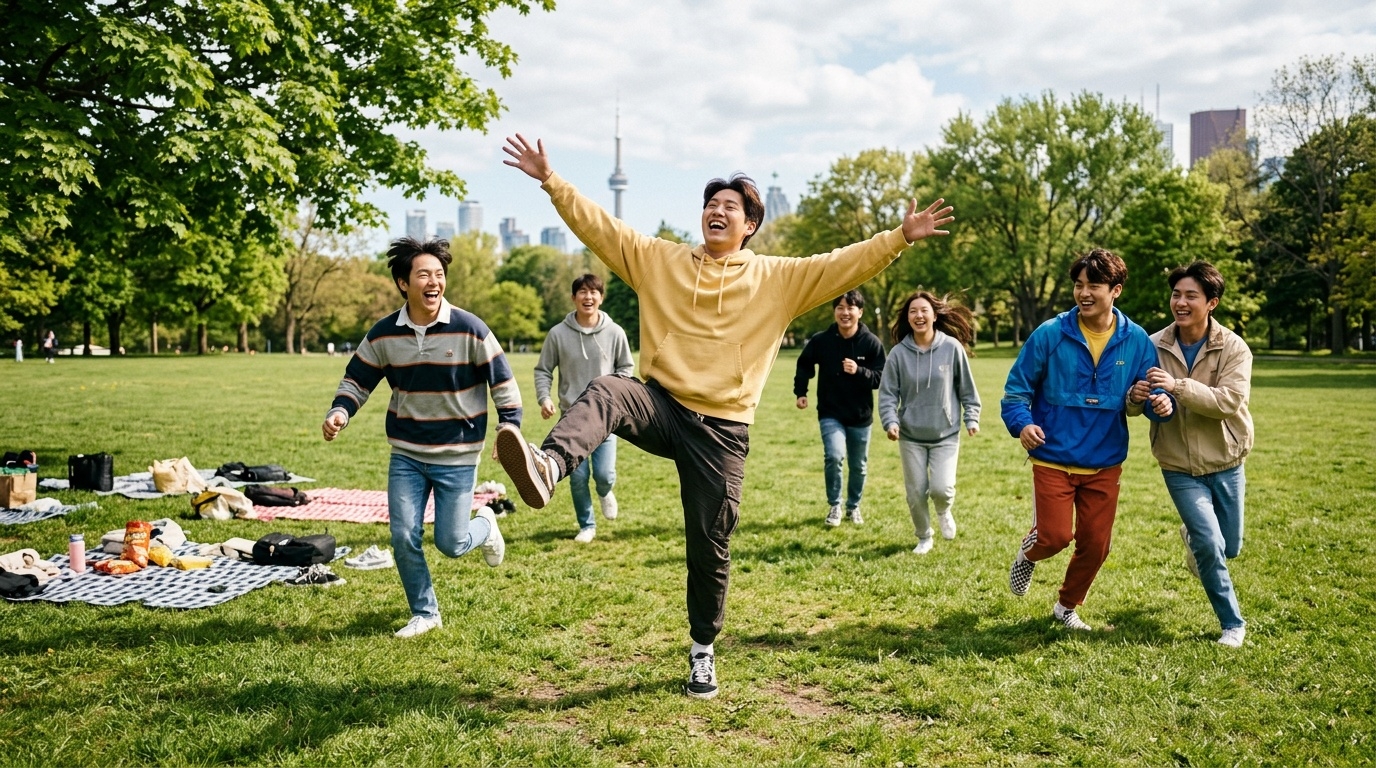
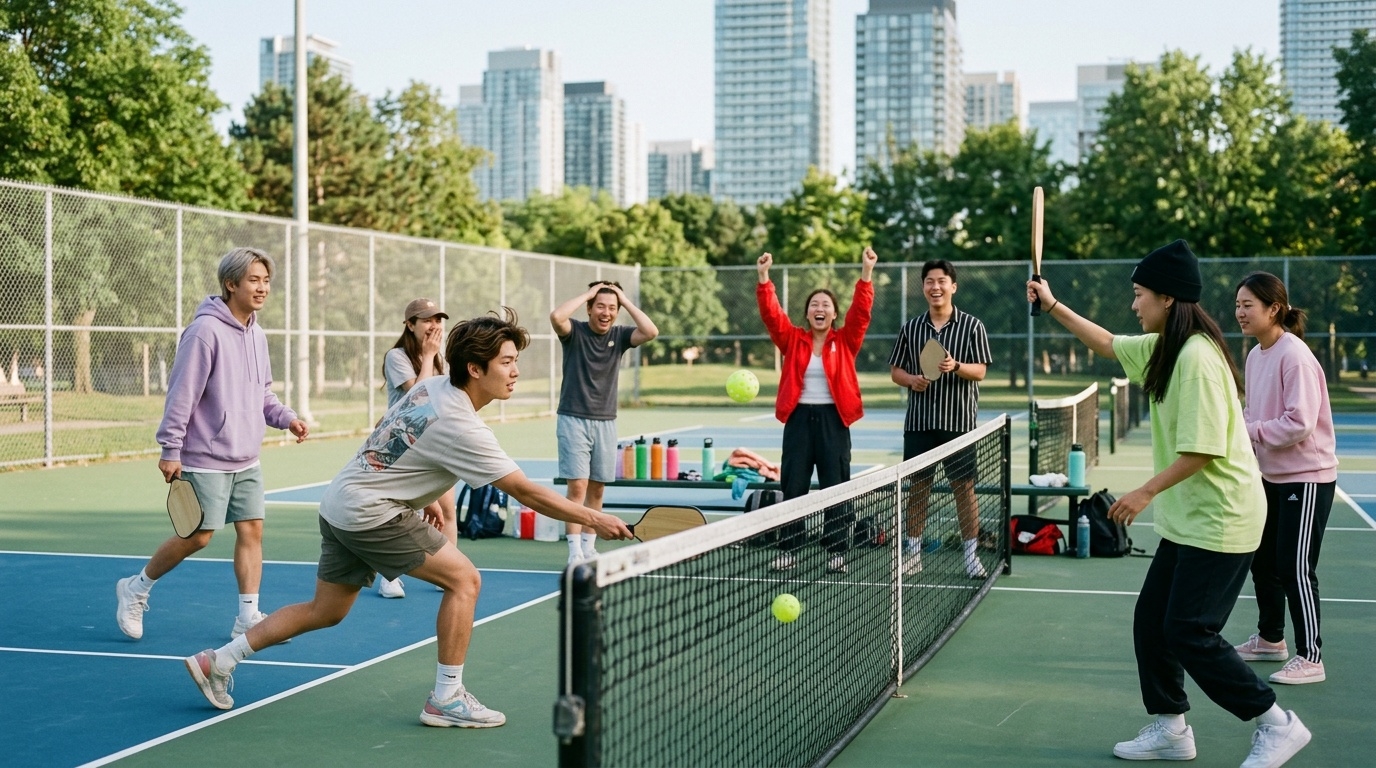
Gathered in a park in Toronto, the members of BTS pick up the games of an easygoing picnic. All seven run through a traditional freeze-tag style game, dashing forward only to freeze instantly on cue. In the very next scene, they pick up paddles for a match of pickleball. As play gets underway, the members dive into the competition while teasing each other over missed shots and unexpected rallies. It is the signature rhythm of “Run BTS”: letting genuine dynamics and individual quirks shine naturally through simple games.
These scenes were unveiled on September 30, 2026, in a teaser for the “Run BTS: Toronto Edition” on the group’s official YouTube channel, BANGTANTV. Filmed on location, this new special arrives in two parts: Episode 1 premieres on October 6 and Episode 2 follows on October 11, both dropping at 8:00 PM KST. While the series officially returned this past April, this two-part release brings a fresh story rooted in Toronto, one of the stops on their global tour.
A Format That Reveals Who They Are Beyond the Music
Launched in 2015, “Run BTS” is the group’s long-running self-produced variety show. Where music broadcasts and concerts present a finished stage built around choreography, vocals, and high-end production, this series turns its lens toward how the members interact while tackling games and unexpected missions. The entertainment comes from the small details: who gets fiercely competitive, how someone reacts when things go off the rails, and the effortless way they support or tease one another.
Across the Korean music scene, “self-produced variety” refers to dedicated entertainment content created and driven directly by an artist and their agency. Unlike traditional television appearances where an artist joins an established network program, these shows place the members entirely in the center, shaping games and banter around their existing group dynamic. Stronger in continuity than brief promotional clips tied solely to an album cycle, the format gives fans a steady touchpoint with the group even during lulls between album releases.
Rather than an anomaly limited to a single act, this style has grown into a cornerstone of contemporary K-pop culture. While titles and game concepts vary across groups, the core design remains constant: putting members front and center in regularly scheduled, unscripted content. For fans, it offers dependable presence between comebacks; for the group, it provides a dedicated space free from broadcast network constraints to share their humor and genuine camaraderie in full depth.
155 Episodes and 140 Million Views: Building a Shared Archive
Between 2015 and 2021, “Run BTS” aired 155 episodes, generating a cumulative 140 million views. That volume was not built on a handful of viral moments, but through years of steady adventures, quiet inside jokes, and inventive missions. Viewers could tune into each episode as a self-contained piece of comedy while following a years-long evolution in how the seven members navigated rules, rivalries, and the humor of winning and losing together.
Reaching 155 installments demonstrated that an artist-led variety show could evolve from a promotional side project into a vital pillar of the fan experience. Even with simple game setups, different pairings and unpredictable situations produced entirely fresh moments, turning past episodes into a shared lexicon for understanding future content. For longtime followers, it created a web of callbacks and inside jokes; for newer audiences, it offered an accessible archive to trace the group’s history backward.
Over time, this growing archive formed an emotional common ground across borders. Not every fan can secure a concert ticket, but laughing at the same spontaneous moment or quoting an iconic mishap is an experience anyone can share. Those 140 million views represent more than raw traffic; they chart the cumulative time fans spent engaging with BTS away from the polished stage lights, cementing the show as an ongoing universal language within the global community.
Returning as “2.0” After a Three-Year Hiatus
When the original weekly run paused, the show entered a hiatus that spanned roughly three years, a break that coincided with the group’s mandatory military service and temporary pause in full-ensemble activities. During that wait, audiences looked forward to more than just new songs and stadium dates. Seeing all seven members sitting in one room, chatting comfortably, arguing passionately over low-stakes board games, and laughing at each other was the very spark that made their reunion feel real.
That return arrived in April 2026 under the banner of “Run BTS 2.0.” The relaunch aligned neatly with BTS claiming the top spots on both the Billboard 200 albums chart and the Hot 100 with “Arirang” and “Swim.” While the music charts carried the news of their artistic comeback to the global industry, the variety show revived the easy warmth and familiar humor of the seven members together. Two distinct mediums worked side by side to tell the same homecoming story.
The sense of closeness built through this variety show carries a different tone from watching an artist on stage. Watching recurring habits, gentle teasing, and playful rivalries develop week after week gives viewers the feeling of having quietly witnessed an enduring relationship unfold. It is not an illusion of personal friendship, but rather the comfort of long-term familiarity. That shared history is precisely why the program’s return after a multi-year hiatus carries emotional weight far beyond an ordinary piece of media.
Turning a Tour Stop into a Variety Stage
The Toronto special turns a concert tour stop into an open-air backdrop for entertainment. Fan experiences in tour cities are usually framed by stadium stages, but this release captures the group having a picnic and playing casual sports in the middle of that same metropolis. By pairing the sheer scale of a stadium tour with quiet afternoons in a public park, the city transforms from a simple venue pin on a tour map into a space tied to shared memories.
This dynamic also allows fans unable to attend the live concerts to experience the time and setting of the tour journey. While venue seats require travel and tickets, digital variety content is accessible to anyone worldwide at the same moment. Once the Toronto episodes go live, fans across time zones share the quiet afternoon the members spent there. In this way, live staging and digital storytelling work in harmony to build a single, layered tour experience.
Filming in tour destinations deepens the long-term meaning of the tour schedule itself. While a concert remains as an ephemeral memory for those in the room, a variety episode preserves the city’s atmosphere in a format that can be revisited for years. Audiences can look back on the Toronto performances and the park picnic as part of a single chapter, turning the group’s travel route into a lasting narratives.
Reaffirming Seven Bonds Through Everyday Play
Rather than relying on elaborate sets or high-tech props, the activities chosen for this outing center entirely on human chemistry. Outdoor picnic games bring out quick reflexes and spontaneous antics through simple stop-and-go rules, while pickleball creates space for natural teamwork, frantic rallies, and lighthearted competitiveness. In both cases, the core of the show lies not in complicated rules, but in watching how the seven members react to one another in real time.
In their musical work, BTS presents precision and mastery honed through years of dedicated rehearsal. In “Run BTS,” on the other hand, missed shots, broken plans, and impromptu laughter become the real charm. This duality offers audiences two very different windows into the group: while the concert stage exhibits their artistic prowess, the variety format invites viewers to appreciate a decade’s worth of easy comfort and unspoken understanding.
The Toronto park picnic reaffirms what has made “Run BTS” endure for so long. Fans were not asking for a radical reinvention, but for the chance to see seven longtime companions laugh together over familiar games. Arriving on October 6 and 11, these two installments continue the momentum of “Run BTS 2.0,” showing how music, touring, and everyday variety content weave together into an enduring, multi-layered journey.
Sources: BANGTANTV Teaser, September 30, 2026; The Korea Herald, October 1, 2026.