
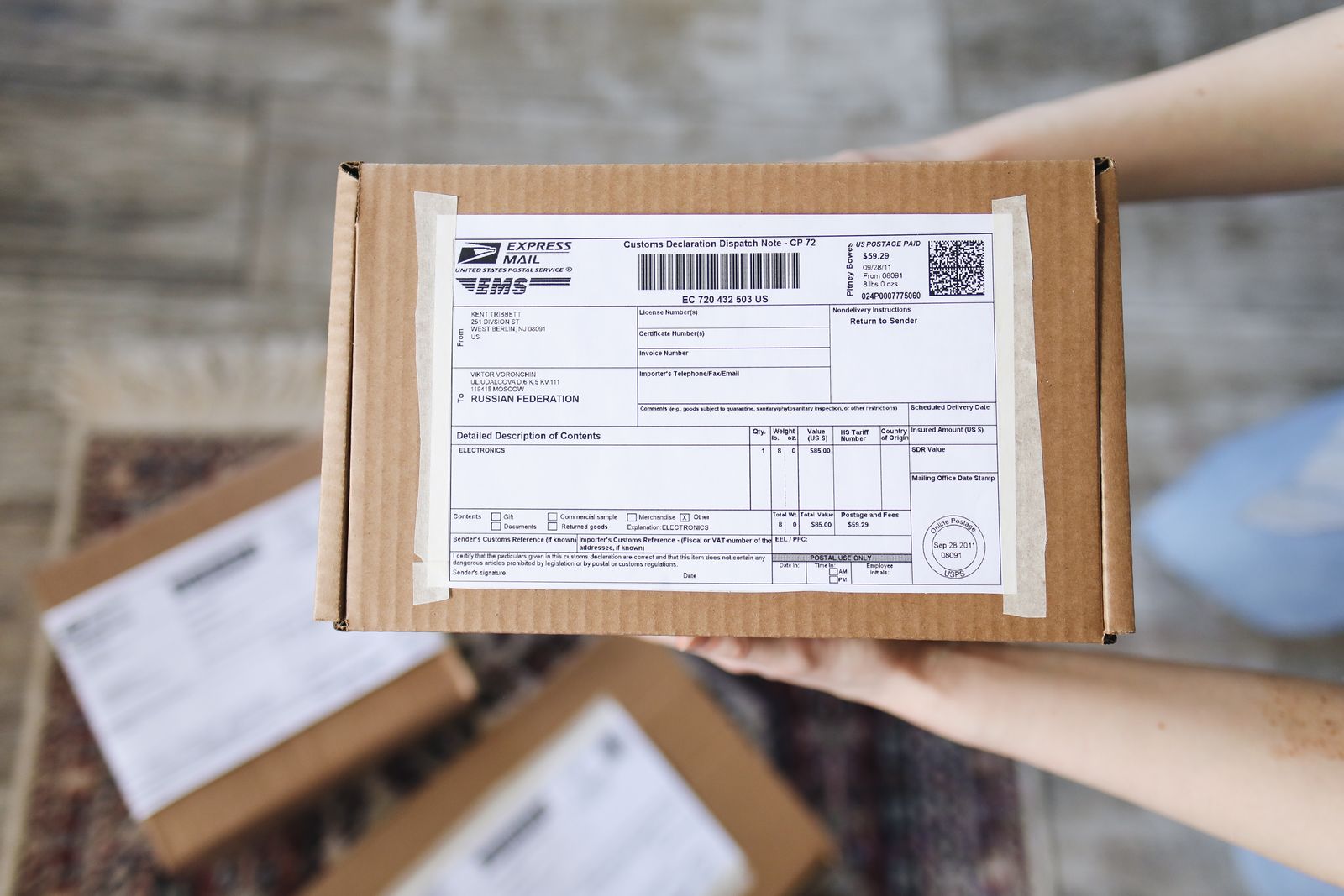
As of July 1, sending a roughly 0.5-kilogram package — about the weight of a single book — from a Korean post office to the United States costs 39,000 won, up from 29,500 won. That’s a 32.2 percent jump overnight, according to a same-day report from Hi US Korea News reporter Kang In-gu, and it’s the sharpest increase among all destination countries under Korea Post’s new rate structure.
The change comes from a structural shift, not just a price bump. Korea’s postal agency, Korea Post (Woojeong Saeophonbu), switched its international EMS pricing for non-document parcels from a “base rate plus surcharge” model to a “base rate by weight” model on July 1, layering in higher shipping and operating costs by country. The US route absorbed the biggest hit because it’s Korea Post’s highest-volume international line: the maximum-weight tier, a 30-kilogram parcel, now costs about 650,000 won, roughly 7 percent more than before. Other countries moved by smaller, uneven amounts — about 9.6 percent per kilogram to Japan and 14.3 percent per kilogram to the Philippines.
Domestic mail rates rose at the same time, for the first time since 2021: a standard 25-gram letter went from 430 to 500 won, and some stamp prices rose by as much as 1,000 won depending on the type. Korea Post cited the same underlying pressure behind both changes — a steady decline in regular mail volume as people shift to email and messaging apps, combined with rising air-freight and labor costs, which together have pushed the postal service’s core mail business into a deepening deficit.
The people who’ll feel this first aren’t primarily domestic customers. Kang’s report specifically flags gyopo (overseas Korean) families who regularly mail books, gifts, or daily necessities abroad, cross-border resellers handling direct-purchase orders, and the families of students studying overseas — all groups for whom a Korea-to-US parcel is a routine, not occasional, expense. Korea Post’s one piece of practical advice: parcels booked through its online “smart submission” system still qualify for a discount on some international mail, so checking current rates and eligibility before dropping something off is now worth the extra step it wasn’t before.
This isn’t the first disruption on the Korea-to-US postal route in the past year. Last August, Korea Post temporarily suspended counter acceptance of US-bound parcels and EMS shipments entirely (short of exempted documents) after Washington ended its $800 de minimis duty-free exemption for low-value imports, a change the Trump administration made over concerns that the exemption was being used to smuggle in drugs and counterfeit goods, per an August 21 report by K-Radiok reporter Jung Yong-joo. Deliveries resumed through a private-partner “EMS Premium” service that handled customs clearance directly, at a higher cost. Read together, the two episodes point the same direction: the cost and friction of moving a package between Korea and the US has been rising steadily for a year, for reasons set in Washington as much as in Seoul.
Source: Kang In-gu, Hi US Korea News, July 1, 2026; Jung Yong-joo, K-Radiok, August 21, 2025.