
Table of Contents
Summer Theaters Always Had That One ‘Big Story’
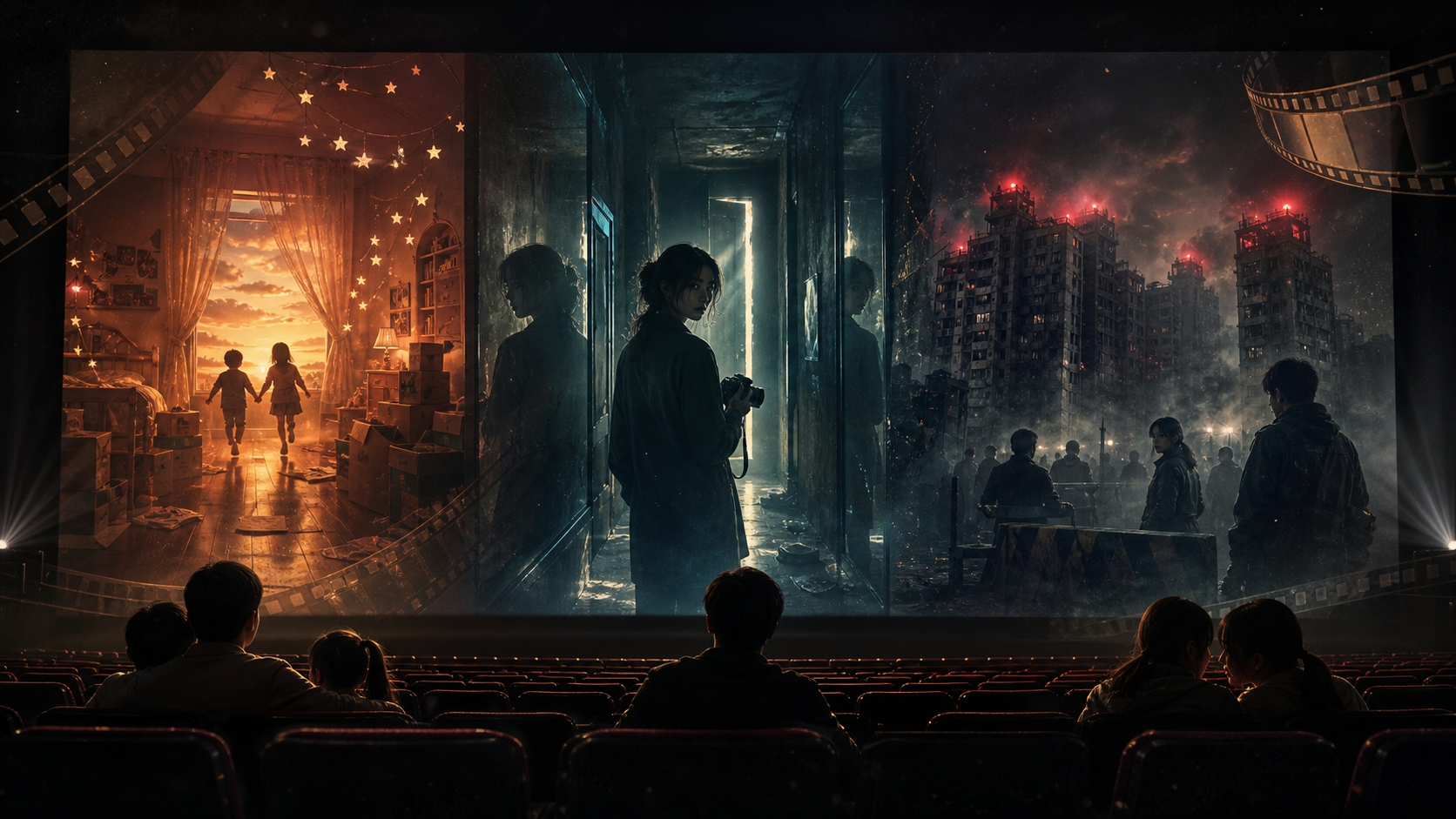
Looking back at Korea’s summer box office, some years brought disasters, some years wars, and other years saw old heroes return to the screen. Audiences step into theaters to escape the heat, but they aren’t just seeking cool air. They wait for that moment when a single film becomes a family’s common topic, decides next weekend’s plans, and sends plot points and actor names drifting across the dinner table.
In July 2026, the theater scene unexpectedly starts its story with toys. Pixar’s ‘Toy Story 5’ holds the top spot at the Korean box office, embracing the broadest audience of the summer market. Behind it, Shin Min-a’s Korean thriller ‘Nundongja’ (Pupil) follows with a relentless pace, while Yeon Sang-ho’s infection thriller ‘Gunche’ (Swarm) lingers with a long reverberation past its explosive opening.
Some call this a ‘two strong, one middle’ structure. But it’s not as simple as a sports ranking. ‘Toy Story 5’ and ‘Nundongja’ compete for the same weekend audience while harboring different desires. ‘Gunche,’ even after meeting many viewers, stays on screen, showing how Korean films can endure in the summer market. Three different films hold onto different slices of audience time.
Why ‘Toy Story 5’ Is Strong: It Calls on Generational Memories at Once
According to the Korean Film Council’s integrated ticketing network KOBIS, ‘Toy Story 5’ drew 429,042 viewers over the weekend of July 3–5, holding first place at the Korean box office. Its market share for the same period was 38.6%. Since its mid-June release, cumulative attendance reached about 2,218,500. An animation claiming this position in the heart of summer peak season can’t be explained by child audiences alone.
The name ‘Toy Story’ carries both the memories of the parent generation and the curiosity of today’s child audience. For those who saw the first film in 1995, Woody and Buzz feel familiar as old toys pulled from a box. For their children, new characters and adventures may come first. A single work opening different doors for different generations—that’s the oldest power of a franchise.
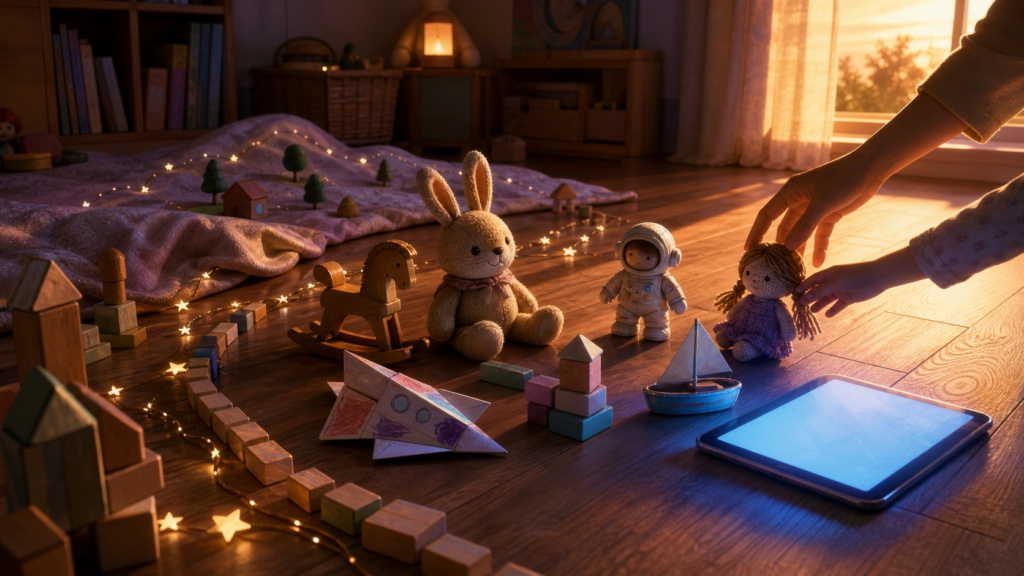
The fifth film in the series follows the toys’ adventure as Bonnie’s new smart tablet, ‘Lilypad,’ brings a crisis. The setting where a hand-touched, imagined toy world meets a digital screen device is a device showing how an old series sees today’s childhood. Toys symbolize unchanging friendship, but how children play has already changed. What questions these old friends ask as they meet new-era screens lies at the heart of this installment.
‘Nundongja’ Is a Thriller That Makes You See the Unseen
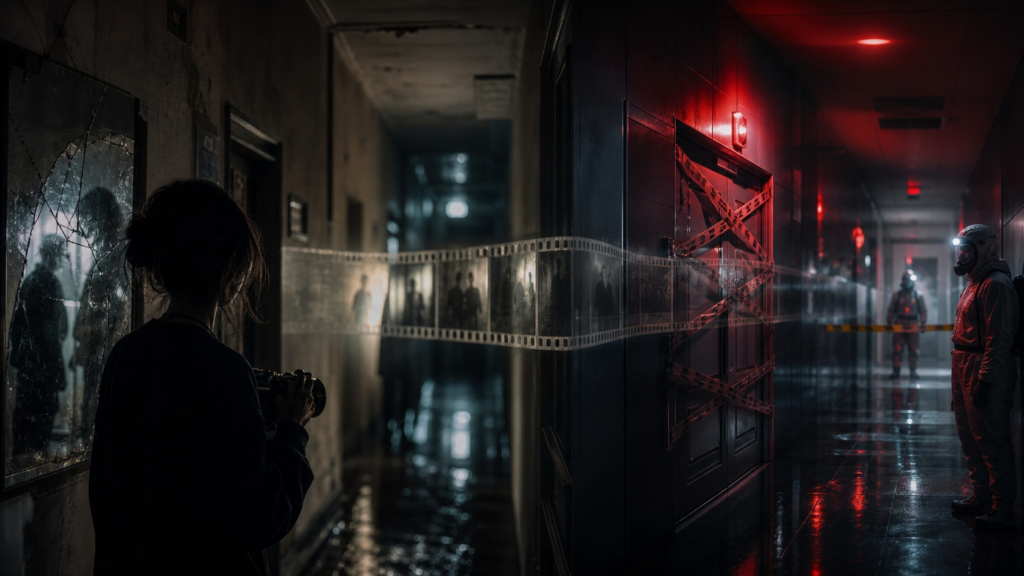
Opposing ‘Toy Story 5’s broad family audience is ‘Nundongja.’ Directed by Yeom Ji-ho and starring Shin Min-a, this psychological thriller follows a photographer gradually losing her sight as she traces the truth behind her twin sister’s death. It’s a Korean remake of the 2011 Spanish film ‘Julia’s Eyes.’ The title doesn’t just mean the organ of sight. What was seen, what wasn’t seen, and who is watching whom all become part of the narrative.
From July 3 to 5, ‘Nundongja’ attracted 359,845 viewers, ranking second. Cumulative attendance reached about 842,702. The gap from first place is clear, but as a thriller, this is a strong chase. On weekends when family audiences flock, animation may dominate, but on weekday evenings and among adult viewers, word-of-mouth for a psychological drama works differently. In fact, ‘Nundongja’ topped some daily box offices, showing a reversal trend.
Korean audiences have long read everyday anxieties through thrillers. Dark hallways, untrustworthy words of others, and skewed senses inside familiar homes are both the genre’s grammar and metaphors for urban life. What makes ‘Nundongja’ intriguing is that it doesn’t just show fear—it makes the audience doubt the act of seeing itself, through the protagonist’s fading sight. The setup of a photographer stepping into darkness holds a paradox that questions the relationship between record and memory.
‘Gunche’s 5 Million Viewers Speak to Korean Cinema’s Different Time
Yeon Sang-ho’s ‘Gunche’ stands in a slightly different position in this structure. Starring Jeon Ji-hyun, Koo Kyo-hwan, and Ji Chang-wook, this action horror follows survivors inside a building locked down by an unknown infection. Though wearing the skin of an infection film, in Yeon’s world, the swarm always points to people’s fear, distrust, and the choices revealed before crisis.
‘Gunche’ opened on May 21 and by the first weekend of July had accumulated 5,842,311 viewers. That same weekend, it added 71,076 viewers, ranking third. Its overwhelming opening speed has given way to new releases, but a film crossing 5 million viewers continuing to hold presence on summer screens is no small feat. In a theater scene focused on opening days, long-term success means the film kept creating conversation among audiences.
Here, ‘Gunche’ is not just third place. On one hand, it shows that the box office power of large Korean films still remains; on the other, it shows how quickly summer peak season competition shifts to the next topic. Whether it can reach 6 million viewers remains a point of interest. Numbers tell a work’s scale, but they don’t guarantee the health of the entire theater scene. The longer question is how many mid-sized films can stand behind one or two hits.
Outside the Rankings, Audiences Choose Different Emotions
The total revenue of the Korean box office for the first weekend of July was about $7.3 million, up slightly from about $6.9 million the previous week. ‘Toy Story 5,’ ‘Nundongja,’ and ‘Gunche’ formed the top tier, followed by ‘Marty Supreme,’ ‘Wild Thing,’ the Japanese animation ‘Doraemon the Movie: Nobita’s Undersea Fortress,’ and the disaster film ‘Greenland: Migration.’ Audiences don’t wait for just one type of film. Adventures to share with kids, thrillers to watch alone, disasters and horrors to experience on the big screen—all coexist in the same weekend.
It’s true that ‘Toy Story 5’ dominates, but that dominance isn’t a monopoly pushing out all films. ‘Nundongja’ offers adult audiences tension, ‘Gunche’ offers the scale and anxiety of a Korean blockbuster, and ‘Toy Story 5’ offers warm memories shared across generations. When these three paths come together, the theater scene becomes a season. Buying a ticket isn’t voting for box office rankings—it’s choosing the emotion you need that day.
If the word ‘jeong’ (정) means not simple affection but the texture of relationships born from long-shared time, then the return of ‘Toy Story’ might be a case of translating that jeong into the language of a global franchise. Meanwhile, ‘Nundongja’ and ‘Gunche’ show how that relationship shakes within unfamiliar others and anxious communities. This summer’s real battle isn’t between toys, infected, and thrillers. It’s about which world—one we want to remember or one we must doubt—Korean audiences will stay in longer.
Source: Korean Film Council integrated ticketing network (KOBIS) box office statistics, as of July 5, 2026.