Table of Contents
Where Exhausted Viewers Are Heading
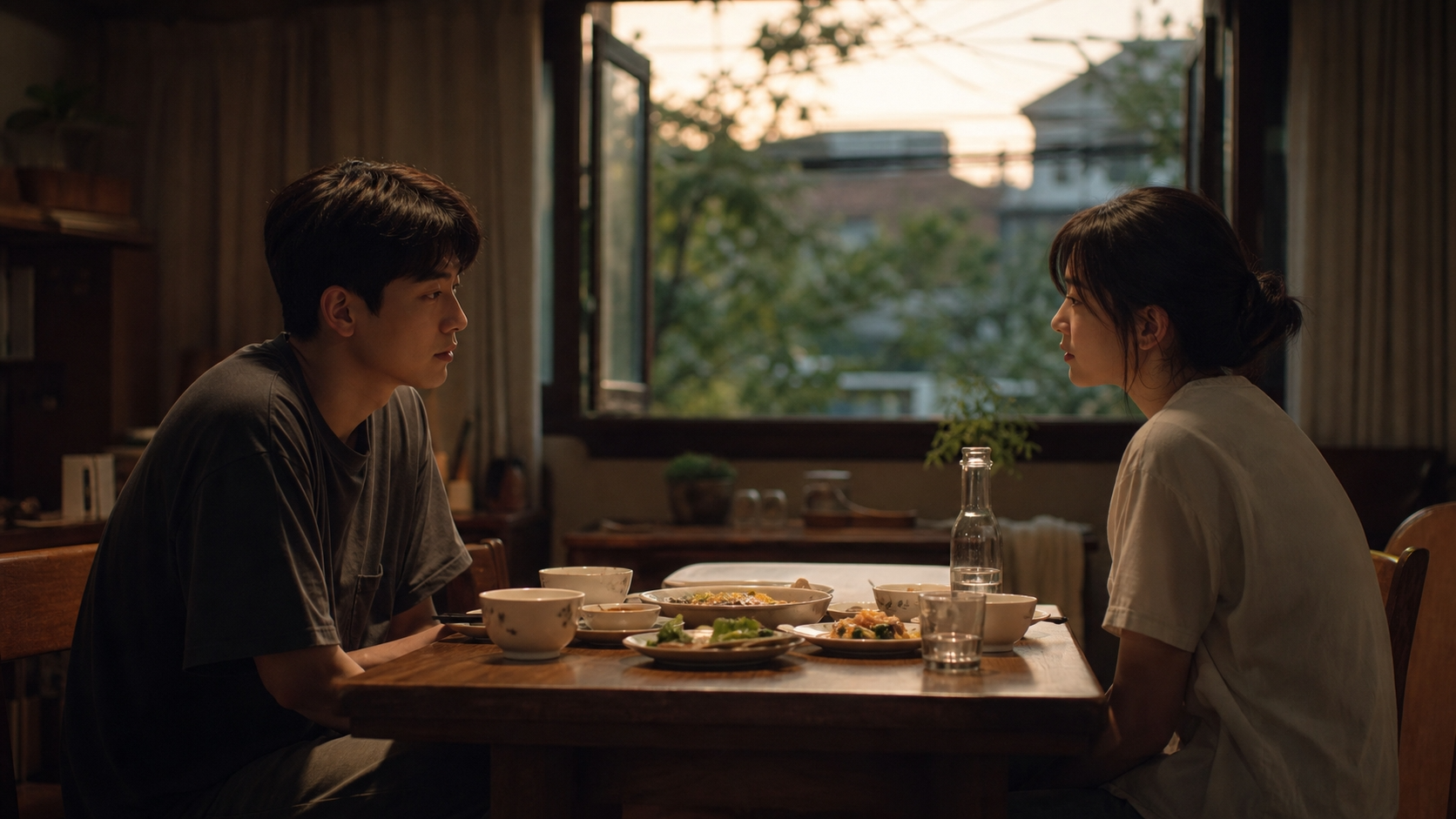
By summer 2026, a clear trend is emerging in the Korean drama scene. Instead of the high-octane narratives packed with nonstop plot twists that kept viewers on edge, so-called ‘slow dramas’—ones that follow quiet daily life and emotional nuance—are starting to take the lead. Rather than tightly packed cliffhangers, works that linger on a character’s subtle facial changes, a silent dinner table, or the shifting seasons are now at the center of conversation.
Behind this shift lies fatigue from the era of content overload. Viewers tired of thrillers, revenge stories, and sensational plots pouring out of every OTT platform are instead seeking stories that warm the heart. The focal point has moved from ‘What happens next?’ to ‘What is this character feeling right now?’ Emotional realism is rising as the new formula for success.
Slowing Down Deepens the Story
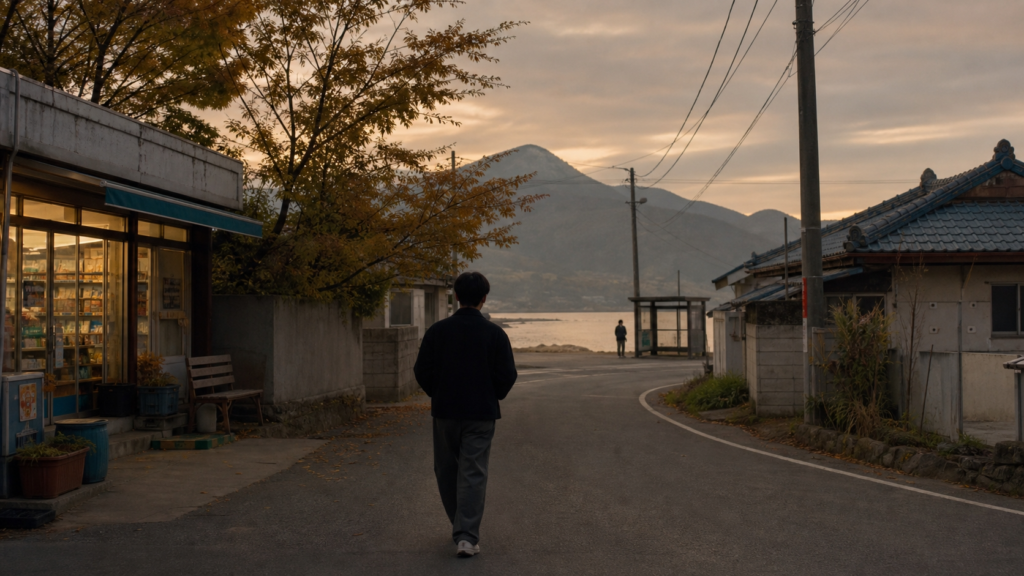
The key to slow dramas is that they turn ‘slowness’ from a flaw into an aesthetic. A pacing that might have drawn criticism as sluggish in the past is now seen as a strength, giving viewers enough time to fully immerse in the characters. It’s relationships, not events, that drive the narrative forward, and tension is maintained through subtle emotional shifts between characters—even without dramatic incidents.
This style puts actors’ performances front and center. With fewer big events, every pause between lines, every glance, every breath must carry the weight of the story. As a result, the more dense the acting, the more the slow drama’s charm shines. It’s no coincidence that healing romances set in quiet countryside or small neighborhoods keep appearing—these backdrops expand the space for exploring characters’ inner lives.
Mental Health Takes Center Stage
Another hallmark of 2026’s slow dramas is their direct engagement with mental health and modern burnout. Themes like depression, loneliness, burnout, and relationship fatigue are no longer side notes but sit at the heart of the story. Instead of flashy romances or chaebol power struggles, the process of a weary individual caring for and recovering themselves forms the narrative backbone.
This broadens the connection with viewers. Rather than empathizing with dramatic situations, you find yourself in the tired expressions of the characters on screen. We’re in an era where stories with high ‘relatability’—ones that feel connected to your daily life—exert a powerful pull. Keywords like recovery and comfort have become central to success.
Programming Strategies Are Shifting Too
This trend is also influencing the programming strategies of broadcasters and production companies. Moving away from the old practice of chasing early buzz with sensational material, there’s a noticeable pivot toward ‘long-run’ works that gradually build a fanbase through word of mouth. Slow dramas may lack explosive initial heat, but as episodes stack up, the emotional bond with viewers deepens, creating a stable viewing pattern.
It’s in this same vein that romances zeroing in on the dating woes and realistic relationships of the 2030 generation have been rolling out since early 2026. Works that prioritize relatable realism over flashy settings are starting to claim top spots in programming schedules. The strategy of betting on authenticity rather than stimulation is gaining ground.
The Question Slow Dramas Leave Behind
Of course, this trend doesn’t replace everything. Intense thrillers and twist-heavy narratives still hold their own fanbases, and slow dramas carry the risk of boredom. The line between the aesthetics of slowness and plain dragging is surprisingly thin. Ultimately, the key is whether they can secure a density that is ‘slow but not empty.’
Still, the rise of slow dramas in summer 2026 reads as a sign that the Korean drama industry has developed a sensibility for reading viewers’ emotional states. They’ve started to think less about what to show and more about what feeling to leave behind. As emotional realism fills the gap left by plot twists, Korean drama is entering a new phase where competition is based not on the speed of the story but on its warmth. How long and how diversely this shift will expand is the next point to watch.
Sources: Teen Vogue, Daebak, industry reports, 2026.