
Table of Contents
A Dumpling Factory Is Rising Outside Budapest
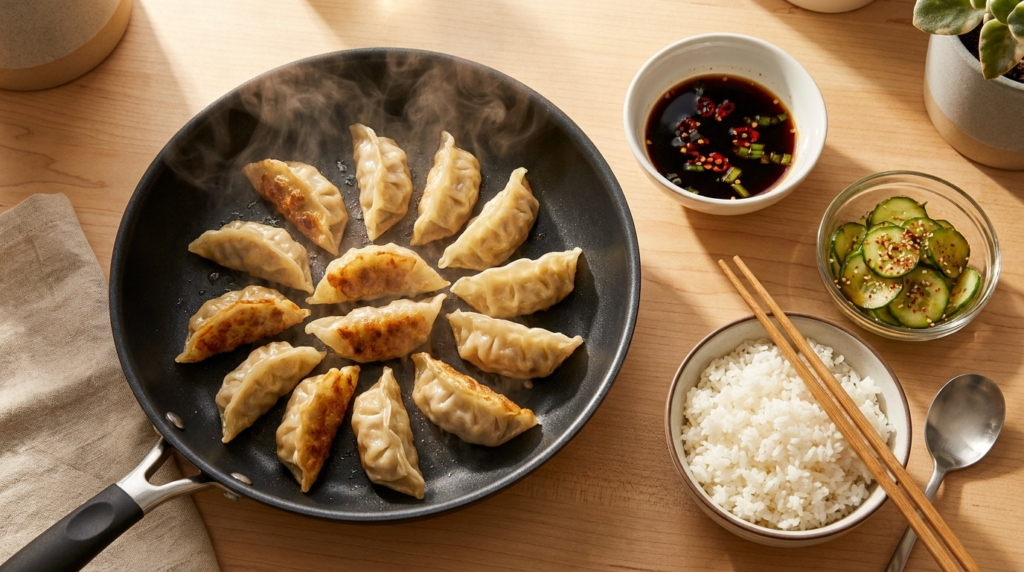
Tear open a bag of frozen dumplings and drop them in a pan, and the first sound you hear is the bottom turning golden in the oil. That scene, so familiar in Korea, is about to get a lot closer to home in Hungary starting in the second half of 2026. CJ CheilJedang is building a Bibigo dumpling production plant in Dunavarsány, just outside Budapest.
The investment is about 100 billion won, roughly US$71 million. The site covers 115,000 square meters — about the size of 16 soccer fields. The automated production line is aimed at supplying Bibigo dumplings to the European market starting in the second half of 2026, and the company is also considering adding a Bibigo chicken production line down the road.
It’s worth unpacking the phrase “Europe’s first production plant” a bit. CJ CheilJedang already had a European production base after acquiring the German frozen-food company Mainfrost in 2018. This new Hungarian plant is closer to the company’s first large-scale forward base for producing K-food locally, with Bibigo at the center. It marks a shift from shipping dumplings out of Korea to making them inside Europe and supplying Europe from there.
Why Hungary, Of All Places
Look at Hungary on a map and you’ll see it sits a bit east of the middle of Europe. That makes it a convenient spot for shipping products to Central and Eastern European countries like Poland, the Czech Republic, and Slovakia, as well as the Balkans. CJ CheilJedang has said it plans to use this plant as a base for targeting the Polish, Czech, Slovak, and Balkan markets. It shortens the distance a bag of dumplings has to travel from factory to a consumer’s freezer.
Logistics matter enormously for frozen food. Even if the dumplings taste great, they need to stay reliably frozen, and long ocean shipping adds cost and inventory headaches. Sourcing ingredients and distributing products within the EU cuts down on tariff and shipping variables. That’s part of why CJ CheilJedang announced its factory construction plan with support from Hungary’s national investment promotion agency, HIPA — it connects directly to this kind of industrial and logistics environment.
Europe’s dumpling market is growing fast. CJ CheilJedang says the European dumpling market is expanding by more than 30% a year. That doesn’t mean European consumers eat Korean-style dumplings exactly the same way, of course — some pan-fry them, some use an air fryer, some add them to soup or a salad. Local production isn’t just about scaling up volume; it’s also a way to watch these eating habits more closely.
How Bibigo Dumplings Actually Get Sold in Europe
In Korea, dumplings can be a side dish, a late-night snack, or an ingredient in soup or tteokbokki. But in a European frozen-food aisle, they’re more likely to first meet consumers as a “quick meal” — something to solve dinner fast. So Bibigo dumplings have to win people over less through nostalgia for fried dumplings at a Korean restaurant, and more through the language of a convenience food you can finish in ten minutes with a pan or an air fryer after work.
If it’s your first time, you don’t need to overthink the cooking method. Add a very small amount of oil to a pan, fry on medium-low heat, then pour in two to three tablespoons of water and cover — the bottoms turn crisp while the inside stays moist. If you’re using an air fryer, follow the temperature and time on the package first; ovens vary, so giving the basket a shake partway through helps them cook more evenly.
You don’t have to stick to soy sauce for dipping, either. One tablespoon of soy sauce, half a tablespoon of vinegar, half a tablespoon of water, a touch of sugar or honey, and a pinch of chili flakes makes a classic Korean dumpling dipping sauce. If you’d rather skip the heat, try mixing soy sauce with lemon juice and olive oil instead — it brightens things up without overpowering the meat or vegetables inside.
A New Factory Doesn’t Automatically Mean the Same Taste
Local production always sounds like good news, but it comes with a homework assignment of its own: taste consistency. Dumplings made in Korea and dumplings made in Hungary can carry the same brand name and still end up with small differences, depending on ingredient sourcing, processing, and local regulations. Consumers expect the same thin wrapper, the same filling texture, and the same aroma after cooking when they open the bag.
CJ CheilJedang has said Bibigo dumplings hold a 42% share of the U.S. B2C dumpling market. That experience could be an important reference point for Europe. But the product lineup that worked in the U.S. won’t necessarily be identical to what works in Europe — vegetarian consumers, allergen labeling, religious dietary needs, and regional spice preferences all have to be factored in. Globalizing a dumpling isn’t just about translating the name into English; it’s about getting chosen again and again at an unfamiliar table.
So the real measure of the Hungarian factory’s success won’t show up in the ribbon-cutting photos — it’ll show up in shelf turnover. Whether a Polish shopper buys Bibigo dumplings once out of curiosity, or puts them back in the cart the following week, will come down to price, cooking convenience, taste, and the local distribution network working together.
If You Spot Bibigo Dumplings in Europe, Try This
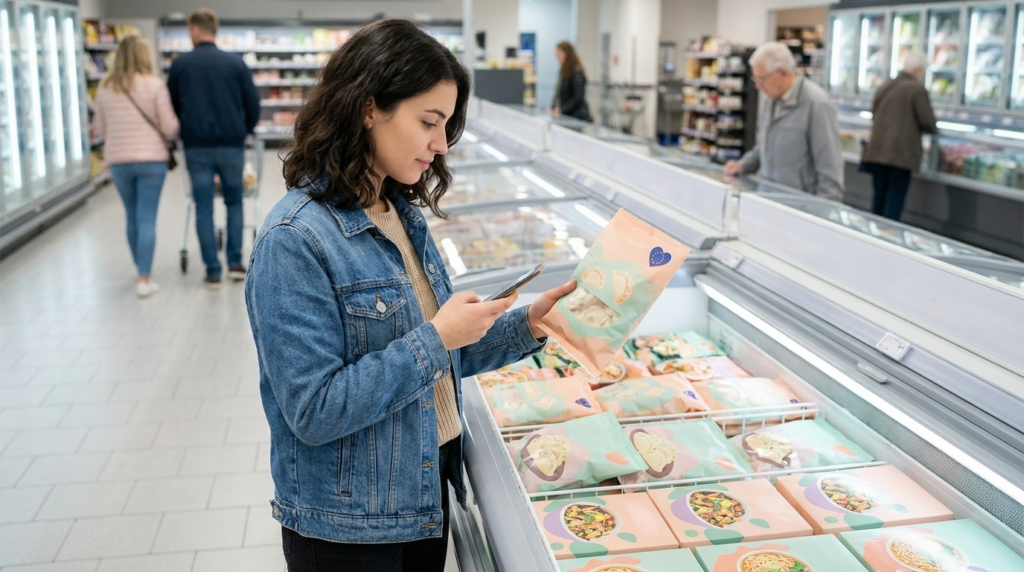
If it’s your first time, start with the most basic meat-and-vegetable dumpling bag. From there, branch out to bolder flavors like kimchi or chicken. You don’t need to prepare a huge spread of side dishes — a well-fried batch of dumplings with a quick cucumber salad or a simple side, plus rice or a beer, already makes a satisfying dinner.
Hungary’s new factory isn’t just a facility that makes Korean dumplings cheaper and easier to sell in Europe. It’s also a kitchen testing whether Korean frozen dumplings can become practical weeknight food anywhere, rather than staying an “exotic snack.” If you spot a Bibigo bag in the frozen aisle on a trip through Europe, try frying it up — that crisp sizzling sound carries a pretty long journey for a Korean food company packed inside it.
Source: CJ CheilJedang official press release, November 21, 2024; The Korea Herald, November 21, 2024; CJ CheilJedang newsroom, accessed 2026.