Table of Contents
Revenge Completed a Week Later, on T1’s Own Turf
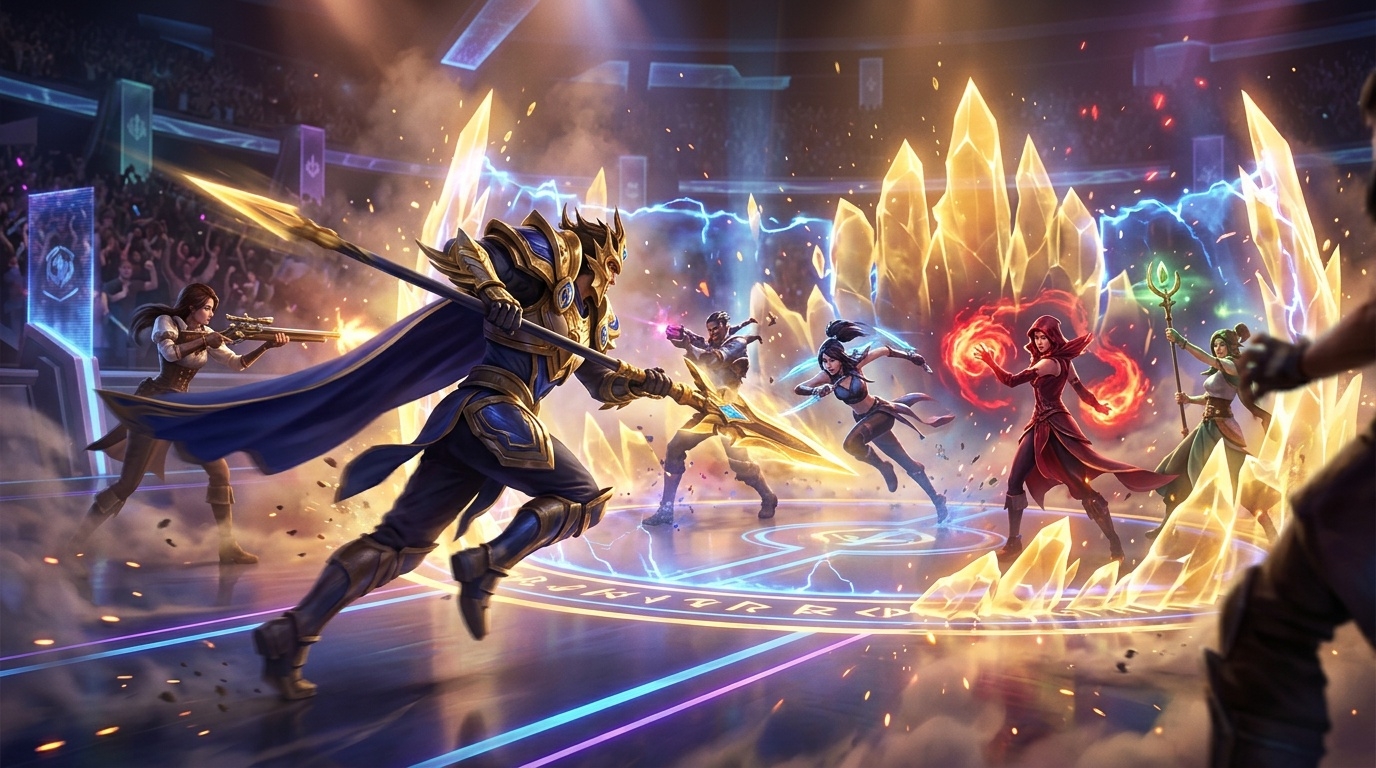
When the first game of T1’s Home Ground event wrapped up on August 14, Dplus KIA’s (DK) chance at revenge looked distant. T1 swept the opening game behind mid laner Faker, who put up an 11/3 scoreline on the new champion Loche. It looked like a repeat of August 6, eight days earlier, when DK had lost to the same opponent 0-2. Losing the first game decisively on a stage built around T1’s own event only added to the pressure on DK.
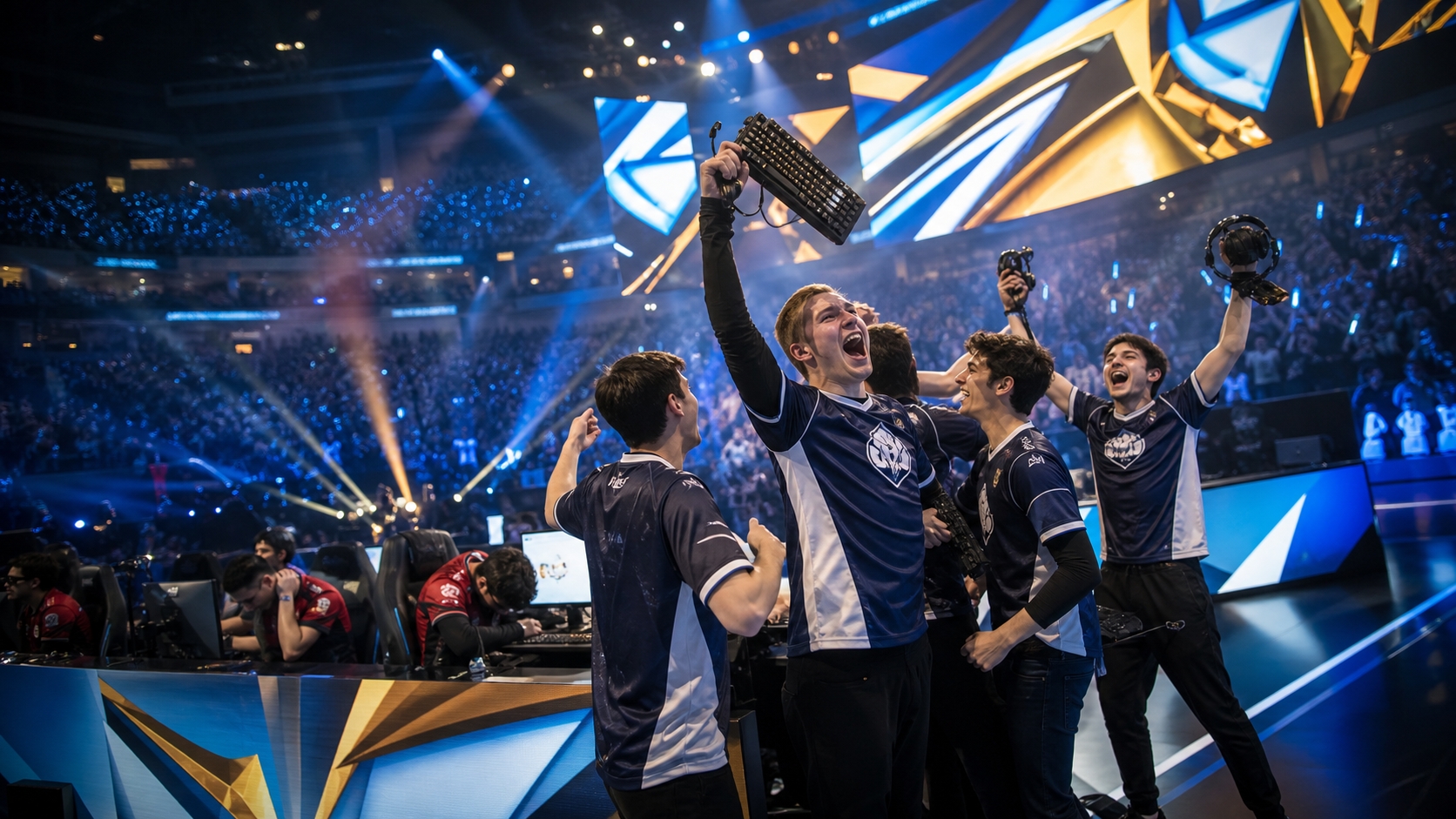
The best-of-three ended very differently from how it started, though. DK regained control of the series from Game 2 onward behind jungler Lucid, and closed it out with ShowMaker going 7/0 on Akali in the deciding game. DK won the series 2-1, avenging its earlier defeat on T1’s own turf. Where DK couldn’t take a single game on August 6, eight days later it dropped the first game and then won two straight. Flipping the script against the same opponent in such a short span is the core of this win.
Lucid Turns the Tide in Game 2
T1 built an early lead in Game 1, with Faker’s Loche making its presence felt in every skirmish. An 11/3 scoreline meant he handled an aggressive role reliably even on a brand-new champion. For DK, it was a situation that risked repeating the memory of its loss eight days earlier. The fact that the match was being played at an event T1’s side had organized only added to the atmosphere in T1’s favor. Whether DK could shake off the result of Game 1 and change its approach in Game 2 was the series’ first turning point.
In Game 2, Lucid’s Jarvan IV changed the flow of the match. Rather than staying anchored to a single lane, a jungler’s job is to move across different parts of the map, supporting teammates and creating the opening for fights. Lucid’s aggressive movement countered T1’s attempts and created space for DK to fight on its own terms. Where T1 had dictated the timing and location of engagements in Game 1, Lucid widened the room for DK to intervene from Game 2 onward. Along with that shift, the pace of the match moved in DK’s favor.
The significance of that counterattack went beyond clawing back a single game. DK regrouped its approach even after a prior head-to-head sweep and a first-game loss on the same day. What matters in a best-of-three isn’t just avoiding mistakes altogether, but what a team can change within a limited window after a loss. Going into the next game with the same approach after seeing an opponent’s strength tends to produce the same result. Lucid’s Jarvan IV-fueled counterattack was a signal that DK had found a new answer within the series, rather than accepting Game 1’s one-sided flow as a fixed gap.
ShowMaker’s Akali Dominates the Decider
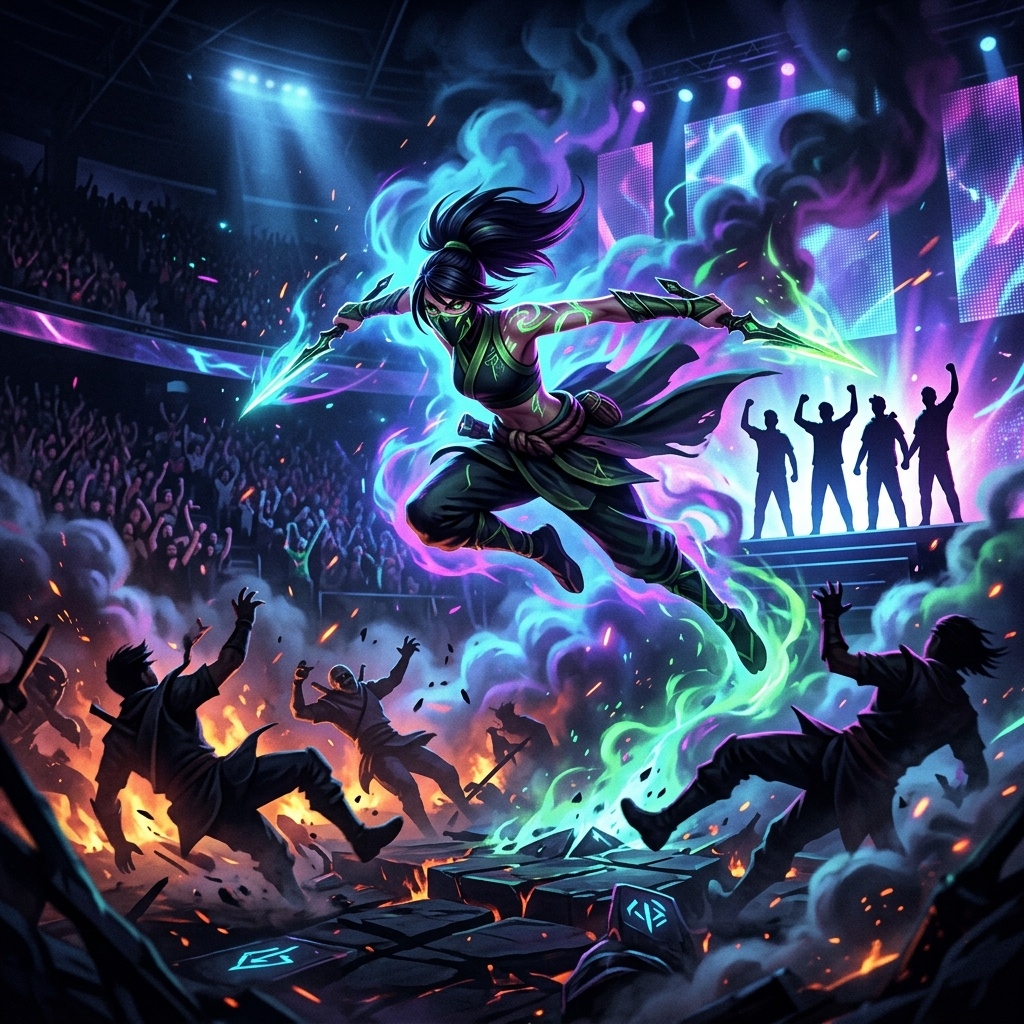
At the center of the decisive third game was ShowMaker. He sealed DK’s win with a 7/0 scoreline on Akali. Never going down while eliminating opponents in the fights that mattered shows how firmly DK closed out the final game. That he kept a deathless record on a champion like Akali, which has to dive deep into enemy territory to find opportunities to attack, adds to the weight of the performance. If Faker’s Loche was the center of the match in Game 1, ShowMaker’s Akali took that spot in the final game.
The two mid laners’ performances sum up the arc of the series. After Faker picked a new champion and took Game 1 at 11/3, DK found its balance in the jungle before putting ShowMaker’s damage output front and center in the final game. By the numbers alone, both players had a game where they stood out. But the eventual winner of a best-of-three wasn’t decided by either player’s single best scoreline — it went to the team that kept redefining what it needed to win as the games changed. DK completed the comeback in the sequence of Lucid creating the turning point and ShowMaker delivering the finish.
This result matters to DK for another reason: the 0-2 loss on August 6 came just eight days earlier. Losing to the same opponent again in such a short span could have suggested the gap between the two teams had hardened. The lopsided Game 1 loss was exactly the kind of scene that could have reinforced that read. Instead, the eventual 2-1 win proved the earlier defeat wasn’t an irreversible trend, and that DK could change the outcome through preparation and adjustment — made all the more symbolic by pulling off the comeback at an event T1 itself had organized.
An EWC Champion Grappling With a Payment-Delay Scandal
DK is the reigning champion of the 2026 Esports World Cup’s League of Legends tournament. It’s a team that has already won on the international stage, but this year’s journey can’t be explained by match results alone. The organization has acknowledged and apologized for delays in paying its players, attributing the delays to a stalled sale of the team. As word of the attempted sale and the payment issues spread together, concerns grew over the stability of the organization’s operations. Players had to prepare for tournaments and study opponents while also carrying the controversy surrounding their own organization through the season.
Salaries not being paid on schedule strikes at the basic trust underlying a professional sports organization. For a pro player, the team is the foundation that supports training and match preparation, and timely pay is a core sign that relationship is functioning normally. Maintaining performance takes more than individual skill — it requires an environment stable enough to let players focus on training. The fact that the organization cited the delayed sale as the reason for the payment delays, and apologized for it, shows that an off-court operational issue has been a major variable surrounding the roster.
Seen this way, the EWC title and the win over T1 aren’t entirely separate results. The international title showed that DK retained top-tier competitiveness even amid organizational trouble. The comeback win over T1 became evidence that this level of play isn’t a one-off, and can carry over into the LCK schedule as well. There’s no need to romanticize the hardship itself as some necessary step toward success. But the context of a roster winning an international title and then beating an opponent that had just swept it, all while an operational controversy continues, adds weight to both results.
From One Game’s Revenge to the Wider League Race
The result against T1 reaches beyond the two teams’ head-to-head record and into the broader race toward Worlds 2026. DK lost decisively to T1 eight days earlier, then bounced back in the rematch on the strength of an EWC champion’s resilience. Finding a fix and winning in a short window after losing to a strong opponent demonstrates the kind of responsiveness needed when a busy schedule keeps coming. In the push toward Worlds, the ability to keep the same problem from recurring after a loss matters as much as avoiding the loss in the first place.
Still, one win alone doesn’t guarantee DK a spot at Worlds. DK faces Hanwha Life Esports on August 20 this week, then Gen.G on August 22. The resilience shown against T1 will need to be repeated against other strong teams arriving in close succession. Different opponents may call for different game plans and key champions. Whether DK can sustain the momentum Lucid created in Game 2 and the finishing power ShowMaker showed in the decider — or convert them into a different kind of winning formula — will be the deciding factor in the next two matches.
From a league-wide view, DK’s turnaround also means the race at the top hasn’t hardened into any one team’s one-sided run. T1 won 2-0 on August 6; DK won 2-1 on August 14. That the result flipped within just eight days shows the hierarchy between these two teams isn’t fixed, and can shift based on preparation and how each game within a series is handled. Because T1’s Game 1 sweep and DK’s following two wins were each just as decisive, predicting a simple favorite for these teams’ next meeting has become harder.
Resilience Faces Another Test
The win at T1’s Home Ground was completed only after surviving a Game 1 loss. Lucid turned the match’s direction with Jarvan IV, and ShowMaker took charge of the final scene with Akali. Judging only by the early stage of the series, it looked like DK was falling behind T1 once again — but from Game 2 onward, each player’s role built on the last and changed the final outcome. That arc mirrors DK’s bigger picture this year. Despite the organization’s delayed sale and the payment-delay controversy, its roster won the EWC title and avenged a decisive LCK loss.
What DK still has to prove is whether this turnaround can last. The win over T1 is meaningful in the race toward Worlds, but Hanwha Life Esports on August 20 and Gen.G on August 22 are waiting next. It can’t yet be said that the off-court operational issues are fully resolved. In the end, DK’s season won’t be judged simply as a story of enduring hardship. The team needs to carry the same focus and responsiveness into the two strong-opponent matches ahead and turn its path toward Worlds into an actual result. Whether the comeback that began on T1’s home turf is a temporary rebound or a real turning point in the back half of the season should become clearer over the course of this week’s schedule.
Source: EsportNow.gg, August 14, 2026.