Table of Contents
A shared space to rest, get counseling, and connect
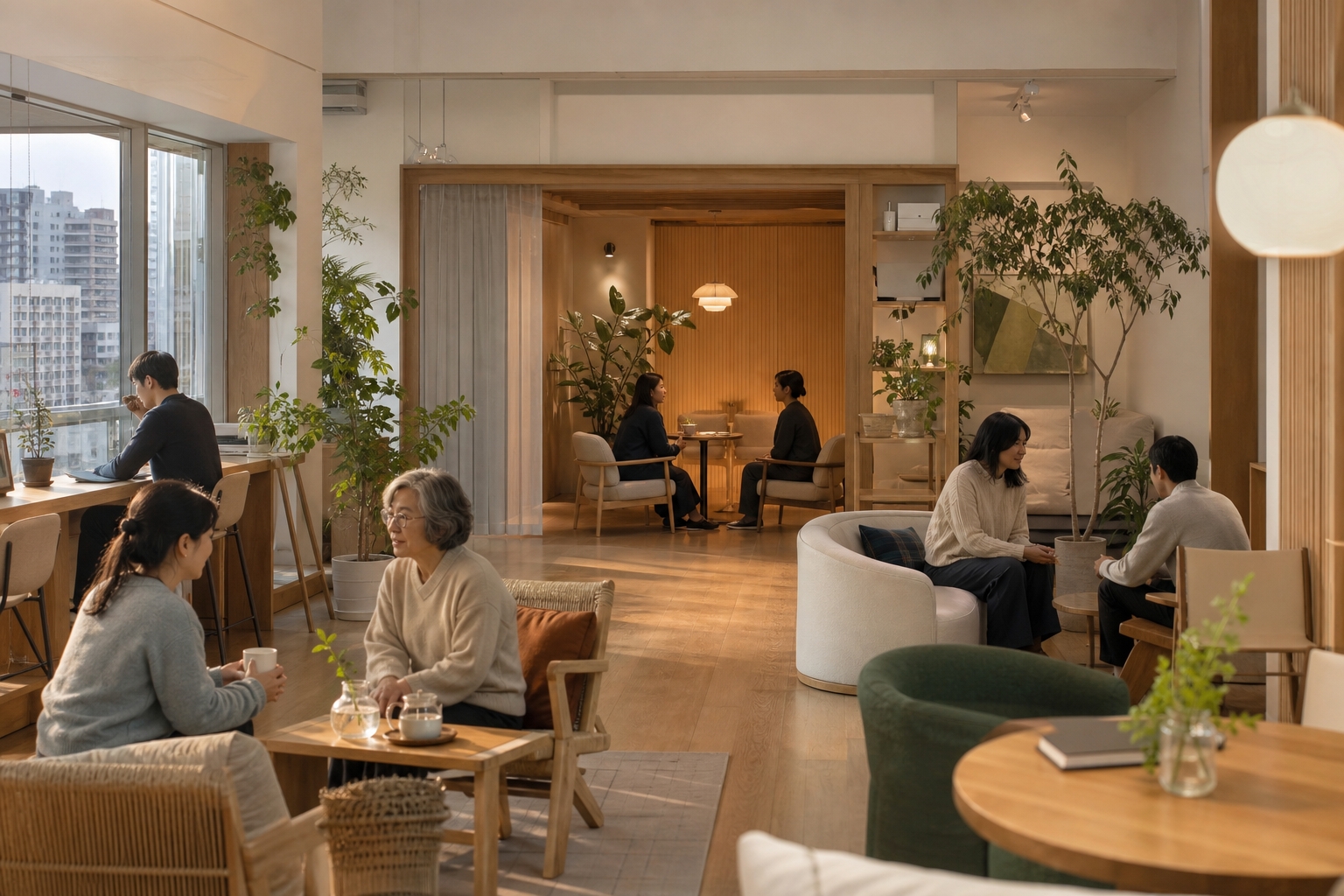
Inside Seoul Forest IPARK River Foret in Seongsu-dong, “Seoul Itda Place” gives citizens dealing with loneliness a place to rest, talk to a counselor, and meet other people, all in one building. The Seoul Metropolitan Government opened it on September 23, moving its anti-loneliness work beyond phone hotlines and one-off programs into a physical space people can visit any day.
Inside, there are one-on-one counseling rooms connected to the 24-hour “Goodbye Loneliness 120” hotline, along with the “Youth Mind Convenience Store” for young adults who need a break, the “Learning Forest” for healing and exchange programs, the “Echo Forest” for performances and cultural events, and “Forest Maru,” a space for exhibitions and hands-on activities. The layout treats loneliness not just as something to treat medically, but as something addressed through rest, culture, and building relationships.
From hotline calls to in-person connection
Before this space existed, the city already offered support for isolation and loneliness through the “Goodbye Loneliness 120” hotline. Now that the space is open, that phone-only service expands into in-person counseling with mental health professionals. If someone needs more support during a session, they can be referred to psychological testing or deeper counseling.
Phone counseling still works well for people who can’t easily travel somewhere or aren’t ready to say what they’re struggling with right away. A physical space does something different: it gives people somewhere to stay after a session, join a program, or just run into other people. Seoul Itda Place doesn’t treat these as competing options. It’s built so a phone call can turn into in-person support whenever someone’s ready for that.
The program isn’t limited to one group. It’s open to isolated young people and their families, middle-aged adults, and really anyone who feels lonely and wants to talk to someone. Taking advantage of its location next to Seoul Forest, the center plans to run gardening activities, arts and culture programs, and social dining events where sharing a meal is the first step toward a new connection.
What the Youth Mind Convenience Store does
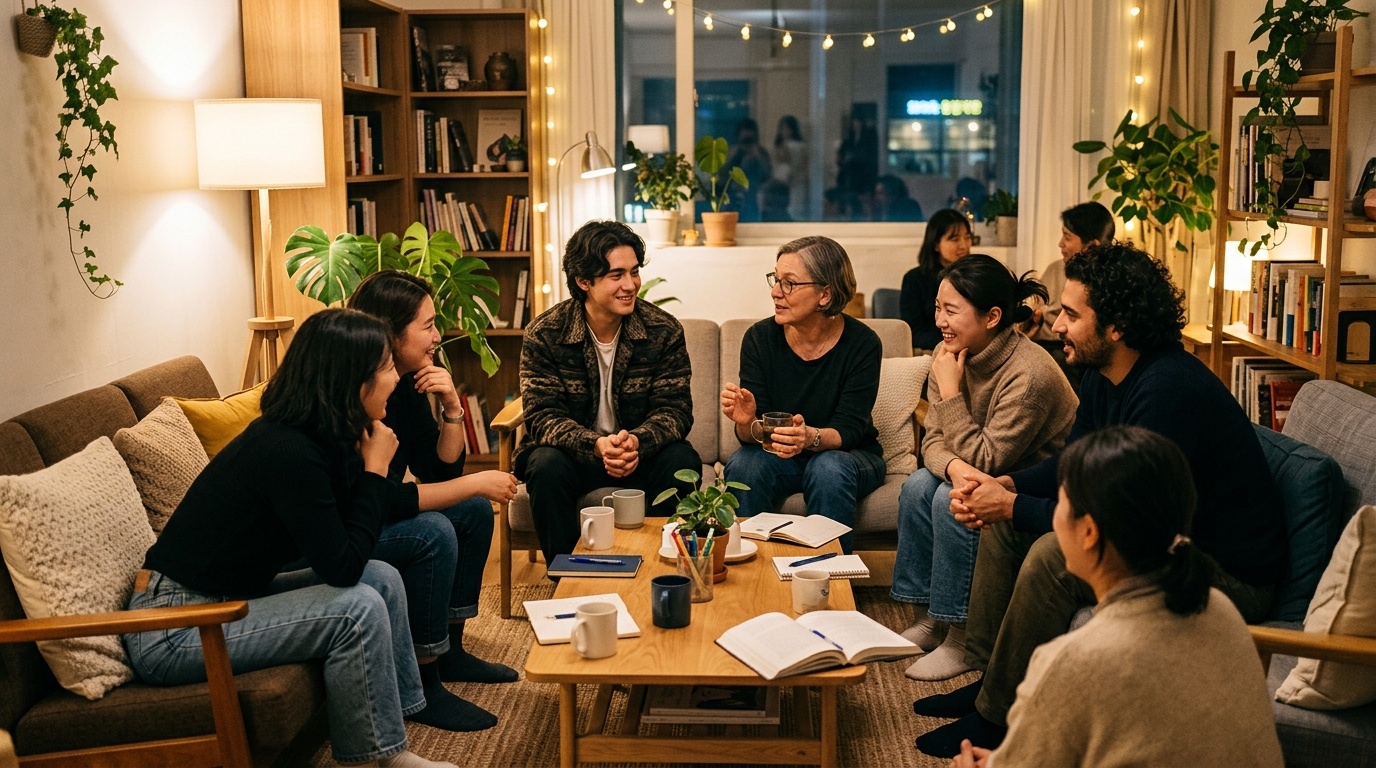
Inside the facility, the Youth Mind Convenience Store is a version of the city’s broader “Seoul Mind Convenience Store” program built specifically for young adults. These Mind Convenience Stores work as neighborhood spaces where anyone can stop in and talk to someone. The idea, as the name suggests, is to make them as easy to walk into as an actual convenience store.
A dedicated youth space exists because the things driving isolation among younger people, like academic pressure, a difficult job market, unstable housing, and broken social ties, aren’t the same as what older generations deal with. Young adults who might not want to walk into a formal clinic can use the lounge casually and pick up on programs and resources along the way. The city plans to expand these youth spaces to five locations, near university areas, private academy districts, and major subway stations.
The room names all use the word “forest,” which fits the overall approach. The Learning Forest runs healing and exchange programs, the Echo Forest hosts performances and cultural events, and Forest Maru handles exhibitions. None of it looks like a hallway of therapy rooms. It’s a community space where people can end up connecting with others through whatever they came in for.
80,000 consultations and 164,000 visitors
When Seoul launched its “Loneliness-Free Seoul” policy in October 2024, it framed loneliness not as something a person has to deal with alone, but as a problem the city should respond to. The policy rests on three strategies: Together We Connect, Together We Link, and Together We Communicate. Seoul Itda Place is the main facility under the last of those, built around getting people to interact and build relationships.
The numbers from the existing programs show there’s real demand. From April 2025 to August 2026, the Goodbye Loneliness 120 hotline handled around 80,000 consultations, and the Seoul Mind Convenience Stores drew roughly 164,000 visitors. With both the hotline and the neighborhood lounges seeing that much use in a short stretch of time, this new hub is meant to tie those scattered services together and point people toward more specialized care when they need it.
The Seoul Mind Convenience Stores currently run at 19 locations and are set to reach 25 by the end of the year. Seoul Itda Place connects those local spots and also works as a citywide base, developing the operating models and programs that get rolled out to all 25 districts and their welfare centers. It’s not just a new building in Seongsu-dong. It’s meant to be the place where the city figures out what works before spreading it elsewhere.
Turning loneliness into a policy question
Loneliness doesn’t show itself clearly, which makes it hard to track using something simple like income or age. Living alone doesn’t mean someone is lonely, and being surrounded by family or coworkers doesn’t mean someone isn’t. Because of that, expecting people to diagnose their own isolation and go find a welfare center on their own doesn’t really work.
By putting counseling, rest, performances, exhibitions, meals, and social time in one building, Seoul Itda Place lowers the bar for walking in. A visit doesn’t have to be labeled “therapy.” Someone can drop by for an exhibit or a coffee and end up finding the kind of support they needed without setting out to look for it. That’s the shift here: from responding to a crisis after it happens to maintaining relationships as part of daily life.
At the opening, Seoul Mayor Oh Se-hoon said he hopes the facility becomes the center connecting spaces like the Mind Convenience Stores across the city, and said the city would keep building out policies that reduce loneliness and create connection. What happens next matters more than the opening itself: whether the relationships people build here last beyond a counseling session, whether the programs actually work for different age groups, and whether what’s being tried in Seongsu-dong can spread to other neighborhoods.
Source: Seoul Metropolitan Government Press Release / Seoul Economic Daily, September 23, 2026.