
Table of Contents
Two companies behind a game about making gear
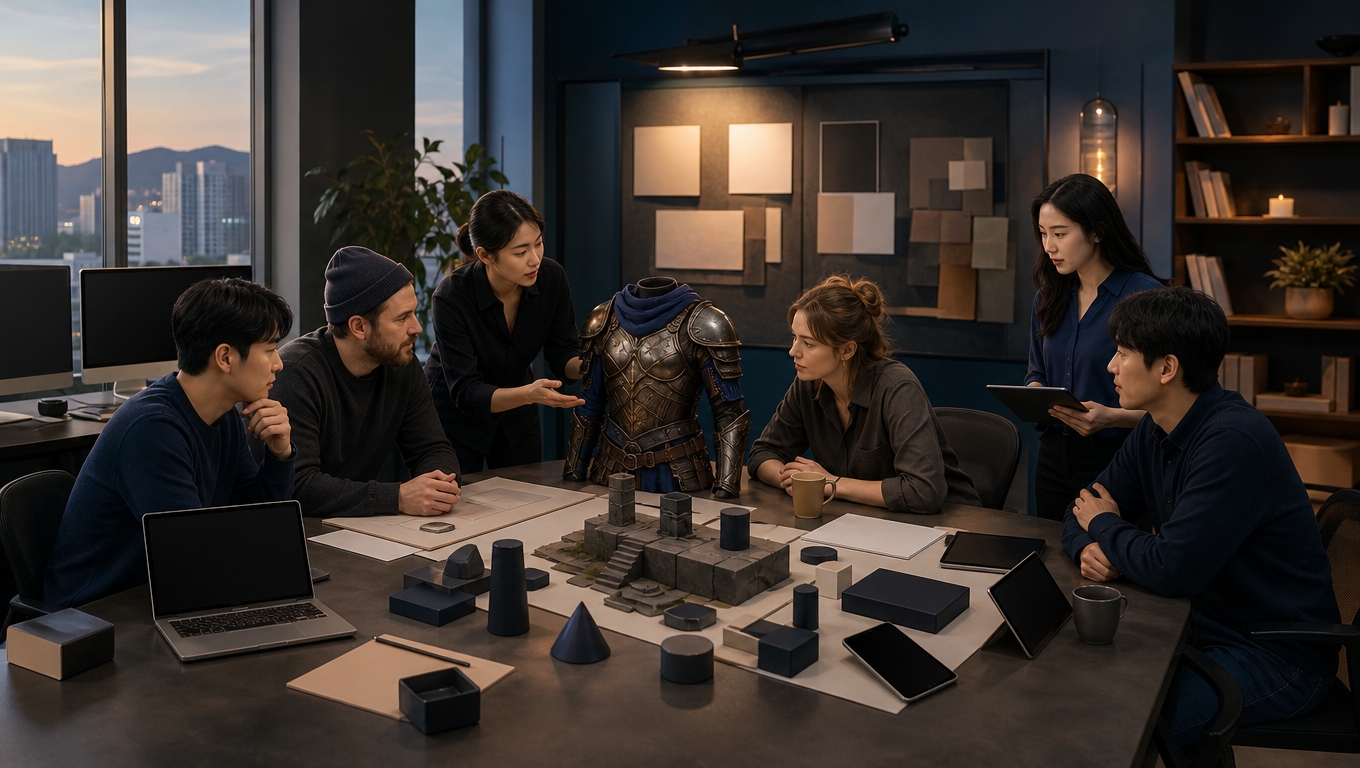
In “Temppal: Overgeared,” the main way players grow stronger is by crafting and upgrading equipment. The game brings the world of “Temppal,” a web novel and webtoon known in English as “Overgeared,” to PC and mobile. Two company names come up whenever the game is described. Gray Games is making it, and Nexon will run it in Korea, Taiwan, Hong Kong and Macau. Its November 26 launch is the product of one company developing a game and another operating it.
That split explains why the company name players see on a game is not always the studio that made it. Making a game means designing its combat and progression and turning them into something playable. Promoting the finished game to players and running the service in each launch region is a separate job. In “Temppal: Overgeared,” Gray Games’ development is paired with Nexon’s regional publishing. A new title presented under a big company’s name can carry an outside studio’s work inside it.
The game industry calls this division of labor publishing. The developer concentrates on making the game, while the publisher handles marketing, live operations and overseas expansion. The exact responsibilities depend on the contract. Thinking of a publisher as just an advertising agency misses much of the role, because publishers also decide which markets a game goes to, how it is released and how it keeps being served to players. Korean game companies’ push to secure games from outside studios grows out of this kind of division of labor.
Not one new title but a wider range of genres
A November 6 report by ZDNet Korea said that besides Nexon, Krafton, NCSoft and NEXUS are working with studios in Korea and abroad to secure new games. The titles range from MMORPGs (massively multiplayer online role-playing games) to an adventure for two players and mobile casual games. Bringing in outside games is not limited to one genre. Each company is adding games unlike its existing business to widen both its supply of new titles and its player base.
Behind this are the time and cost of in-house development and the uncertainty of whether a game will succeed. A company cannot easily keep releasing games in many genres using only what it makes itself. Working with outside studios lets it broaden its lineup without doing every step of production internally. This is less about abandoning in-house development than about using internal production and outside titles together. The companies named in the report are keeping their core businesses while expanding these partnerships.
The appeal of the split is that each side can use what it is good at. The studio focuses on the quality of the game it is building, and the publisher provides the means to reach players and run the service. When the target is overseas markets, who operates the game in which region also matters. A case like “Temppal: Overgeared,” with its regions spelled out, shows that publishing is a business of deciding launch markets and the scope of service, not only whether a game gets made.
From a 1.3-billion-view source story to a two-player adventure
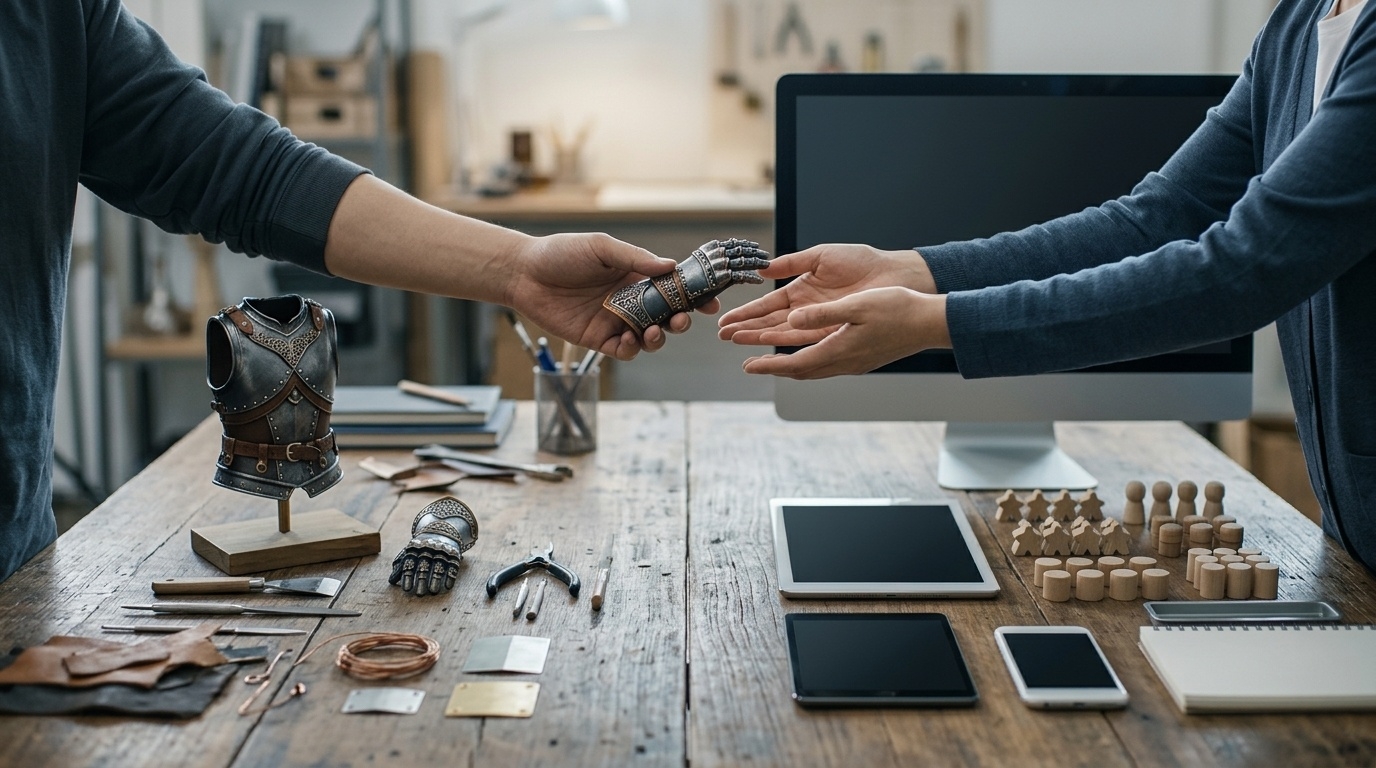
The web novel and webtoon behind “Temppal: Overgeared” have about 1.3 billion cumulative views in Korea. That figure measures how widely the source story has been read, not the number of players or the game’s launch results. The game is built around the crafting and growth elements of the original, letting players make and upgrade their own gear. Nexon plans to combine the well-known story with an outside studio’s game and offer it to PC and mobile players in Korea, Taiwan, Hong Kong and Macau.
Cross-platform here means the game supports different kinds of devices, such as PCs and phones. Which devices a game runs on shapes where players can meet it. For “Temppal: Overgeared,” the supported devices and launch regions are set alongside its equipment-driven gameplay. Outside publishing bundles these conditions together to turn a finished game into a working service. Even with a well-known source story, how players respond after launch is a separate question.
“Age Twister,” made by the Spanish studio Piccolo Studio and backed by Krafton, points in another direction. It is a cooperative adventure in which two players progress together, and it was part of the lineup Krafton showed at Gamescom 2026 in August. Krafton is keeping its business centered on “PUBG: Battlegrounds” while looking to outside studios’ games for its next intellectual property. Securing a co-op title, unlike a large competitive game, widens the range of genres it can offer.
NCSoft’s casual game, outside its usual genre
On October 19, NCSoft released “Haengseong Pagoe Nyangnyanyang,” a mobile casual role-playing game whose title roughly means “planet-smashing kitties,” developed by Super Rabbit Games, in six regions including Korea, Japan and Taiwan. The game combines a merge system with roguelike combat. Merge refers to a structure where players combine items to create new ones, and roguelike refers to a style built around repeated runs and the choices and changes along the way. Players combine various units and skills to fight. It is a case of an outside game reaching actual release.
At the center of this business is Veroplay, NCSoft’s subsidiary for mobile casual games, through which the company is expanding partnerships with studios at home and abroad. The strategy is to diversify from its MMORPG-centered structure into subculture and mobile casual games. “Subculture games” is the industry term for titles that build a fan base around particular characters, stories and tastes. Among these efforts, “Haengseong Pagoe Nyangnyanyang” is the mobile casual partnership highlighted in the report.
Widening genres is different from simply adding more titles to a release list. Compared with an MMORPG, where players build up a character over a long time, a casual game can differ in its rules and the experience it offers from the very start. Running games made by outside studios gives NCSoft a route to titles with those differences. Instead of having its own development teams make every genre, it connects other studios’ experience and games to its service business, and that is the core of expanded publishing.

The same game can work differently depending on the version
On November 5, NEXUS and a global partner studio launched the global service of the MMORPG “Astellia 2.” The game runs as two versions: a Korean version and a global version with blockchain features. The global version uses a game token system built on NEXUS’ blockchain network, ONEchain. Here, the partnership did not stop at securing a game but extended to shaping the service differently by market and version.
The blockchain and token elements describe features of the global version. Splitting the game into a Korean and a global version shows that service conditions can differ for players under the same game name. Describing the service therefore means covering not only who developed the game but which version players use and through which channel. In this case, the publisher connects not just a studio and its players but also the platform the game runs on and related participation programs.
NEXUS also linked the game to ONE store’s participation program “ONEquest,” in which players complete in-game missions and receive rewards. This is one part of running a service that encourages players to stay involved after launch. The rules inside the developer’s game and the distribution and engagement tools the publisher connects work together. The materials reviewed, however, do not say how many players or how much revenue these links have brought in. Adding a feature and achieving business results are separate things to verify.
Costs and operating challenges remain after a game is secured
Securing outside games brings a supply of new titles, but it also brings contract and marketing costs. The risk that development falls behind schedule or that players respond less than hoped after launch remains. Not making a game yourself does not remove the uncertainty of the new-game business. The publisher still has to decide which markets to release a title in and how to run it. Offering many genres also means having to run many very different games.
What these cases have in common is adding outside games to an existing core business. Nexon is running a story-based MMORPG region by region, Krafton is securing a co-op adventure from an overseas studio, NCSoft is widening its mobile casual partnerships, and NEXUS is running a global service split by version and platform. The same kind of outside partnership serves different goals in different ways. Its meaning shows less in the number of contracts signed than in which games each company wants to offer to which players.
Back to “Temppal: Overgeared”: what players will meet is a single game about making and upgrading gear. Behind it, Gray Games’ development and Nexon’s publishing divide the work. The November 26 launch is where that collaboration reaches players. What to watch next is whether outside titles can be run over time rather than simply appearing on a release list. Korean game companies’ expanded publishing will ultimately be judged by the service that follows once a game is secured.
Sources: ZDNet Korea, November 6 and November 5, 2026.