Table of Contents
Poets and a translator reading on the same stage
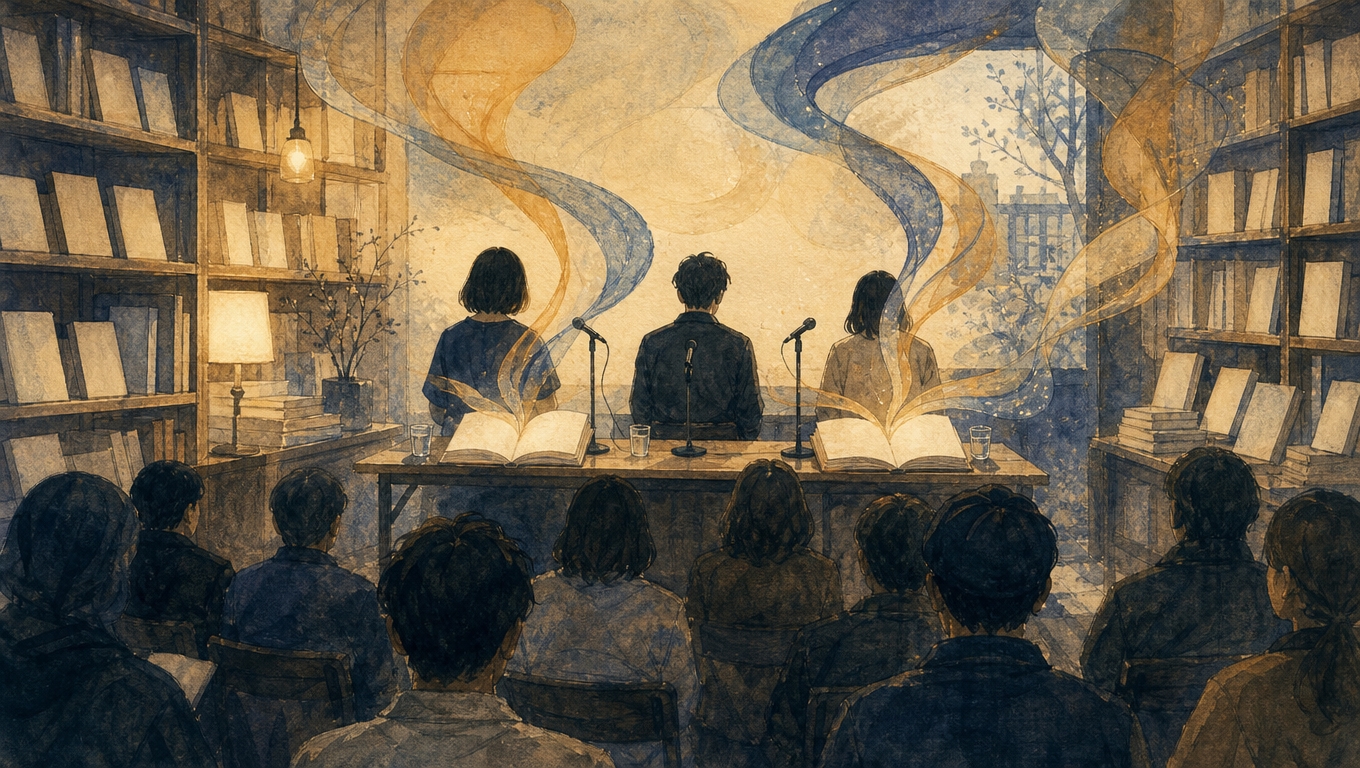
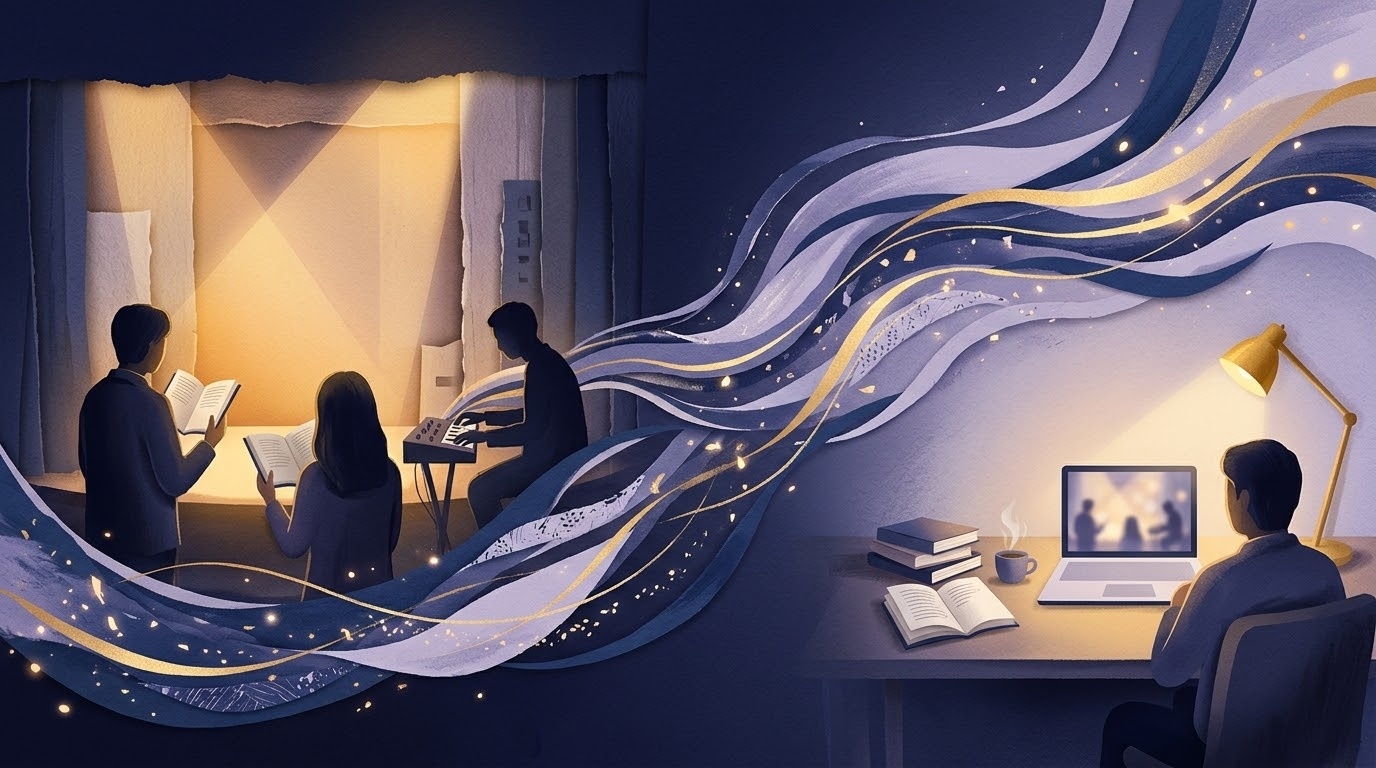
Two poets and a translator will share a stage to talk and read poetry. That is the program announced for the launch talk for a Lee Byung-ryul poetry collection, scheduled from 2:30 to 3:30 p.m. on November 22 in Tokyo’s Jimbocho district. At 4 p.m. the same day, Kim Hyesoon and Kim Seung-bok will discuss where poetry begins. These two forthcoming sessions give a concrete sense of how this year’s K-BOOK Festival plans to introduce Korean poetry to readers.
Picking up a book and hearing its author offer different encounters with a work. A launch talk adds the poet’s and translator’s accounts to the finished collection; Kim Hyesoon’s conversation asks about the origins of a poem. Readers familiar with the work can reconsider it, while newcomers have questions to help them begin reading. The festival has arranged these encounters through a book market, readings and conversations.
K-BOOK Festival 2026 in Japan takes place on November 21 and 22 at the Japan Publishers Club Building and Sanseido Bookstore’s Kanda Jimbocho flagship store. This year’s theme is Hibiku, or ‘Resonance: I Came to Know Myself Through Knowing You,’ with Korean poetry at its center. The event adds conversations with authors and publishing professionals to the process by which books are translated, published and brought to readers. Visitors can encounter both the work and the people behind it.
Forty-one publishers offer different starting points
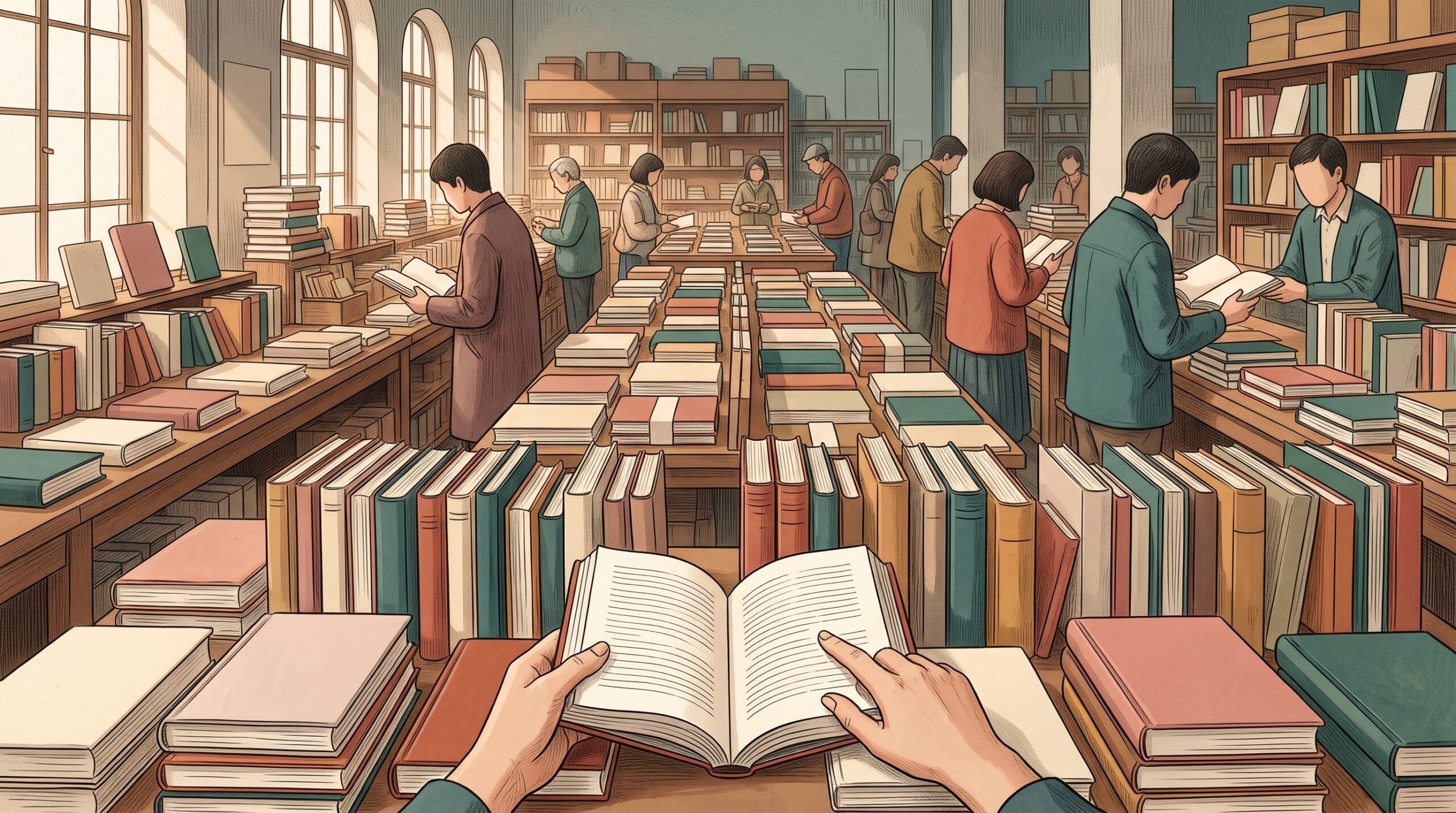
The book market brings together 38 Japanese publishers and three from Korea: Moonji Publishing, Munhakdongne and MUZE. An event introducing Korean books involves more than visiting writers. Publishers producing books in Korea will gather alongside those bringing Korean literature to Japanese readers. In addition to author sessions, the books selected by these publishers offer readers places to begin according to their own interests.
Poetry is the focus, but the market covers more than verse. The official guide lists fiction, essays, humanities titles and Korean-language learning books. Someone new to Korean literature can start with a familiar genre before moving toward poetry. A visitor drawn by a poet’s conversation can also explore Korean books in other fields.
Author signings have also been announced, alongside a stamp rally and the festival’s own CHECK+ booklet. Activities for choosing books sit beside opportunities to meet writers. Translation and publishing connect readers with works in ways that extend beyond producing a book in another language. Selecting titles, arranging conversations and helping readers find their next book are part of that connection. This year’s program places these activities across the market and the stage.
Different poetic voices rather than one representative writer
From 2:30 to 3:30 p.m. on the first day, Yoo Sun-ae, Ko Seong-gyeong, Lim Joo-ah and Song Hee-ji will participate in a session about four young poets writing in the same era with different voices. Its title pairs a shared period with differences in their poetry. Readers unfamiliar with Korean verse can begin with the distinctions among writers, rather than taking one voice to represent it all.
A preceding conversation, from 1 to 2 p.m., concerns writer Han Jung-won’s daily life. From 4 to 5 p.m., Moon Chung-hee and Park Jung-min will discuss writing, reading and acting. The schedule moves between everyday life and work, and between writing and other forms of expression. A newcomer to poetry can approach a writer’s life and methods as well as interpret the finished words.
On the second day, the Lee Byung-ryul collection’s launch talk and the Kim Hyesoon and Kim Seung-bok conversation will be followed by a 15-minute closing session bringing poets together at 5 p.m. Conversations about individual writers lead into a shared gathering. These different formats are part of the poetry-focused program. The announced schedule offers opportunities to hear several voices rather than summarize Korean poetry in one explanation.
Reading and music take words beyond the page
Some programs place spoken poetry at the front. Echoes in Pieces, a group comprising poets Kim So-yeon and Lim Sol-ah and musician Arle, will hold a pre-festival event in Ueno from 7 to 8:30 p.m. on Friday, November 20. Its title translates as ‘Brush Your Hair and Think Again.’ The two poets and musician add readings and music to the experience of encountering poems in print.
Echoes in Pieces will also present a reading at the main festival on November 22 from 12:30 to 1:30 p.m. There will therefore be opportunities to listen both before and during the festival. A reading conveys a book’s sentences aloud, offering an experience different from silent reading. Readers can consider the work’s meaning while hearing the voice and how its sentences follow one another.
From 11 a.m. to noon that day, another session will introduce Ruri’s children’s book Ginginbam. It offers a different way into reading within an event focused on poetry. Someone encountering Korean literature for the first time need not begin with a poetry collection. The schedule allows a visitor to meet a story-led work and then explore readings or conversations with poets.
Free entry and attending stage events are separate matters
Festival entry is free. The book market on the third and fourth floors of the Japan Publishers Club Building opens from noon to 6 p.m. on November 21 and from 11 a.m. to 6 p.m. on November 22. At the third-floor event space in Sanseido’s Kanda Jimbocho flagship store, it runs from 2 to 6 p.m. on the first day and from 11 a.m. to 6 p.m. on the second. Different opening times on the first day matter when planning both book browsing and talks.
Reserved seats for stage events require advance registration. The general standing-room system uses numbered tickets distributed for each session on the day, with the official site also explaining entry when space remains. The Moon Chung-hee and Park Jung-min conversation is an exception. In an October 23 notice, organizers changed its standing places to an advance lottery and said there would be no standing tickets or additional applications on the day.
Visiting the book market and attending a specific conversation thus involve different procedures. Free admission does not secure a place at every stage event. Visitors can consult individual program pages and the latest attendance guidance on the official website. For Moon Chung-hee and Park Jung-min’s session, the separately updated notice applies instead of the general standing-room arrangements. The organizers distinguish overall admission from the conditions for each stage program.
Books and voices beyond Tokyo
Readers need not travel to Tokyo to hear the conversations. Organizers say stage events will be livestreamed on the official YouTube channel and made available afterward as recordings. Watching online does not require advance registration. Readers can find a program on the official site and follow its link to the stream. Those in Korea or elsewhere can hear the writers through a route separate from attending in person.
K-BOOK fairs at bookstores across Japan extend the ways to discover books. The official website lists participating stores linked with the festival. Someone interested after watching a conversation can look for a book outside the venue, while a book discovered in a shop can lead a reader to an author session. The market, broadcasts and local stores introduce works in different places, beyond the two-day festival’s rooms.
The opening image of poets and a translator reading together returns us to the connection this festival is preparing. A writer’s words pass through translation and publishing into a book in another language, then return as a voice onstage. Before the event has taken place, reader reactions and its results remain unknown. What can be watched is how these encounters lead to reading. For someone new to Korean poetry, reading one piece and hearing its words spoken can be a place to start.
Sources: K-BOOK Festival official event and program information, accessed November 13, 2026; official attendance change notice, October 23, 2026; NiEW, November 5, 2026.