
Table of Contents
A citywide calendar at Busan Station
At Busan Station’s Eurasia Platform, Festival Shiwol’s shared promotion hub brings together information about events across the city. The city’s published plan puts its operation at October 1-18. Alongside information on participating events, the space has activities and experiences intended to connect visitors to individual programs. At a gateway for people arriving by rail, it presents a calendar for the wider city.
The hub and the festival follow different timetables. October 18 is the hub’s scheduled final day, while Festival Shiwol continues until October 31. If the schedule holds, the hub will not operate after the 18th. Visitors need to distinguish the role of that physical information point from the dates of the events it promotes. Closing the hub does not close the rest of the calendar.
The Busan International Film Festival’s official dates were October 6-15, already over by October 18. Its closing does not mark the end of the city’s festival month. Busan is linking exhibitions, performances and industry events across October. That asks visitors to look beyond a single attraction and consider how the dates and places of different events might fit a trip.
Turning an event visit into a longer stay
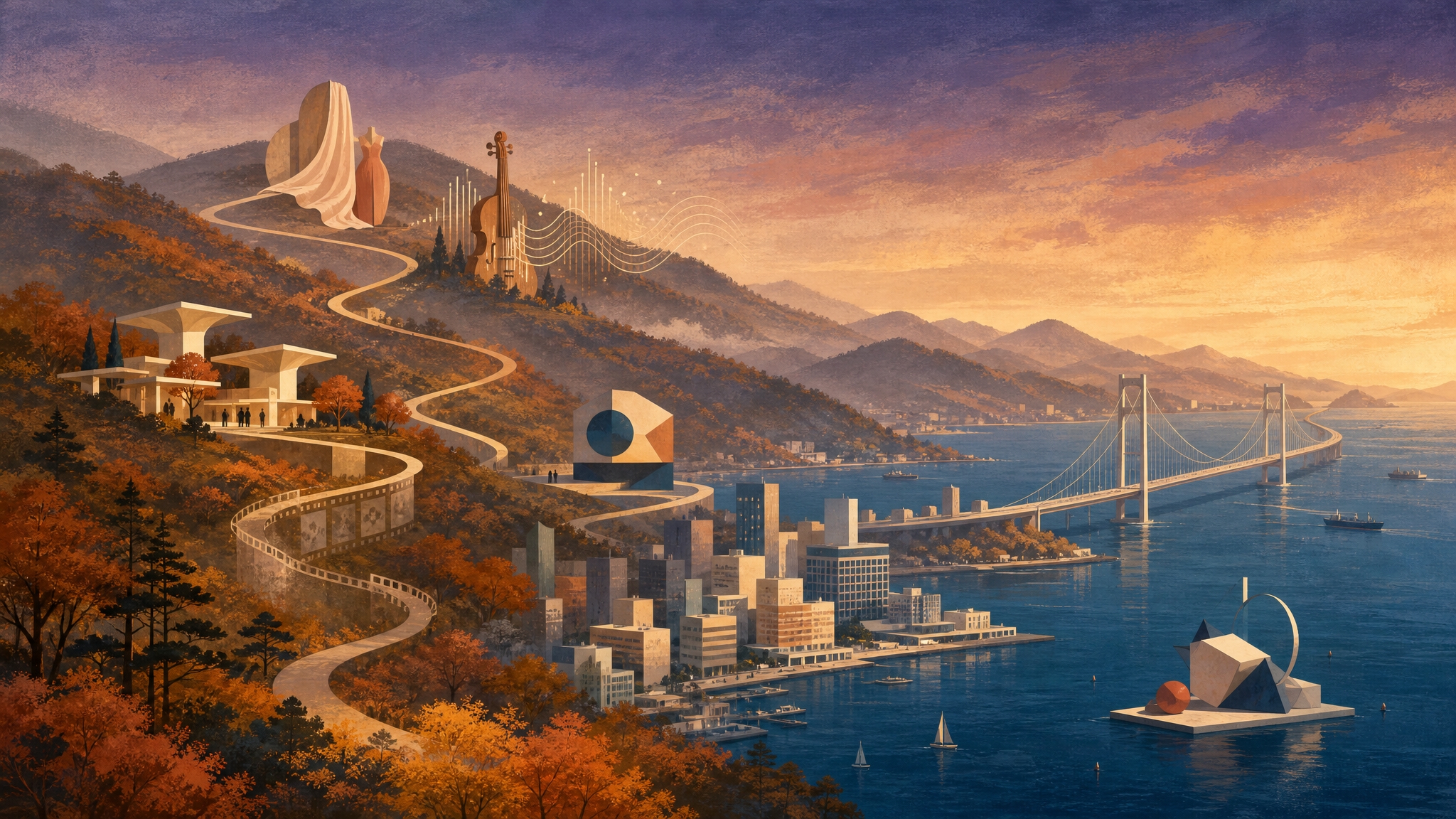
Busan’s September 30 release sets Festival Shiwol for October 1-31 across the city. It groups 22 events into music and culture, film and arts, and business and innovation. The city describes the shared brand as a way for visitors to experience more of Busan’s cultural, tourism and MICE offerings and stay longer. The connections between events, rather than their number alone, are the focus.
MICE refers to meetings, incentive travel, conventions and exhibitions: activities that bring people together for business and exchange. Even people visiting for a meeting or exhibition eat, travel and stay outside the venue. Busan’s combined calendar considers cultural audiences and business visitors together, looking at whether someone arriving for one purpose might find an additional reason to explore the city.
A longer-stay approach does not necessarily mean a lengthy holiday. Visitors need a reason to extend their time after their original purpose is fulfilled. Listing events together does not establish that hotel stays have actually increased. What the current material supports is the goal of longer stays and the tools intended to encourage them. Visitor choices and effects on the local economy require separate results.
In its third year, the festival expands from 13 days to a month
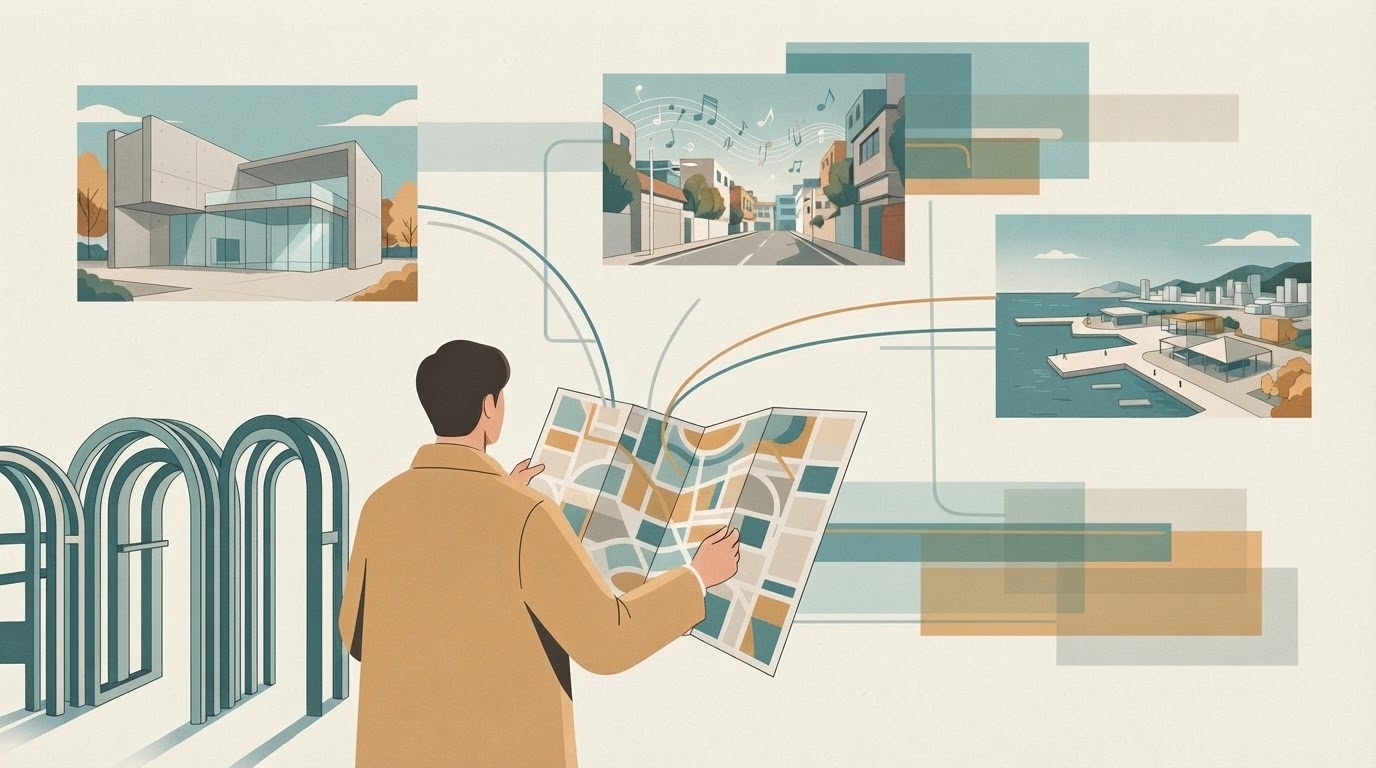
Festival Shiwol began in 2024 and is now in its third year. The Seoul Shinmun reported on October 1 that its duration had grown from 13 days last year to the full month. A wider calendar gives visitors more room to consider events held at different times, rather than asking them to squeeze more into a single day. A film festival with fixed dates and a longer-running exhibition can become different options for a city visit.
The official list contains nine music and culture events, six film and arts events, and seven business and innovation events. October in Busan consequently includes performances, food, contemporary art, fashion and industry exchanges alongside film. Visitors do not have to sample every category. Their interests and the remaining dates can guide which connections are worth making.
Events with different durations require a clear distinction between what has ended and what is still ahead. The Busan International Rock Festival and the film festival have closed and are no longer options for a late-October visit. For travel after October 18, the remaining exhibitions, upcoming performances and month-end events take their place. The shared brand’s duration is not the duration of every participating event.
Late-month options include exhibitions and street performances
The Busan Biennale provides one example of what remains. Its official guide lists August 29-November 1 and three venues: the Museum of Contemporary Art Busan, Space Oneji and the former Busan Nam High School. A biennale is an international art exhibition generally held every two years. This exhibition extends beyond Festival Shiwol itself, offering an art-focused reason to visit after the film festival.
Seeing the art also involves visiting different parts of the city. Multiple venues mean that travel between them belongs in the plan. A simple count of attractions misses that practical condition. Checking exhibition dates and locations first makes it easier to judge whether another event fits. The month-long calendar helps visitors find combinations; it does not handle the journeys for them.
The city’s list also includes the Balcony Music Show and Street Festa on October 24 at Gwangbok-ro in Jung-gu. A long-running exhibition and a performance on one date play different roles in an itinerary. The exhibition leaves more flexibility, while the performance requires that particular day. Visitors interested in both could start with the fixed performance date, then consider where exhibition visits fit around it.
Month-end fashion brings cultural and business visits together
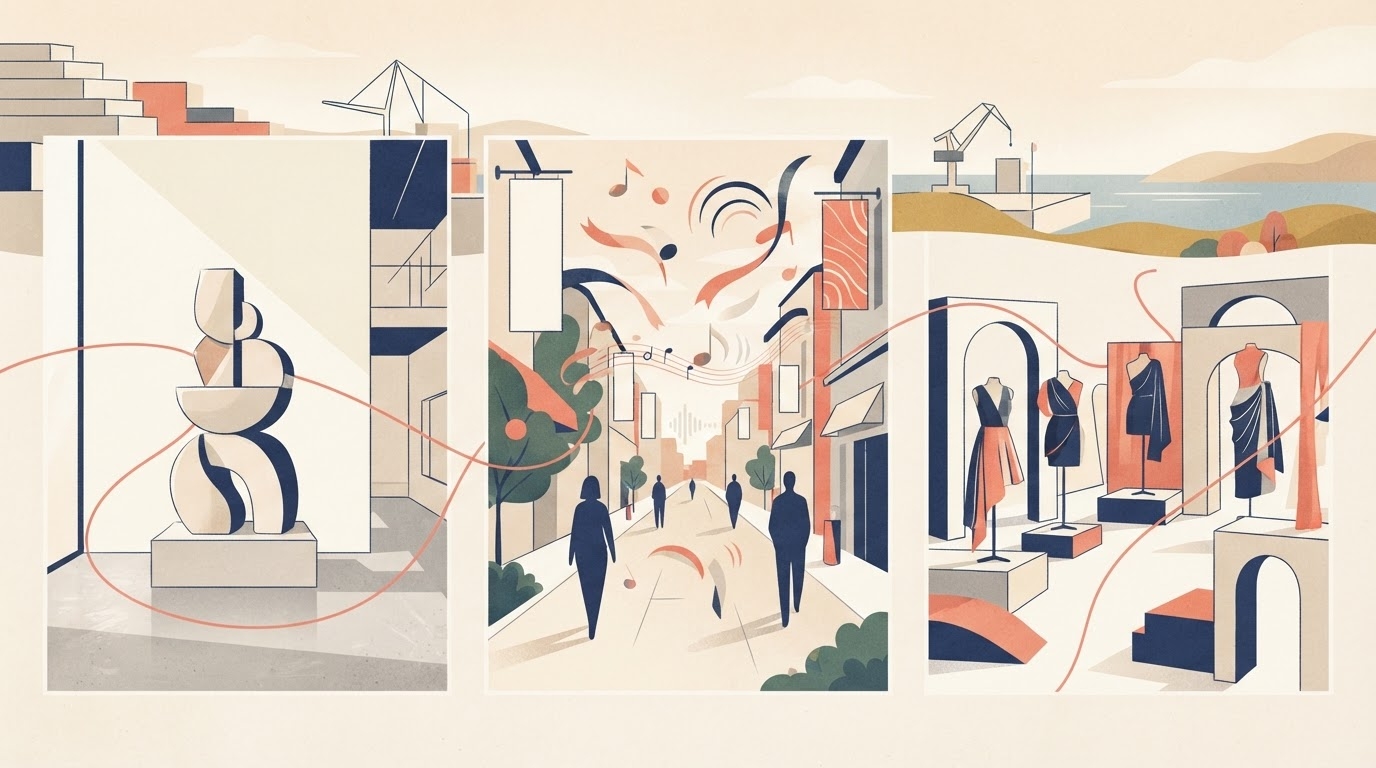
Busan Fashion Week is another late-month example, scheduled for October 29-31 at BEXCO. The city’s official list and the event’s own guide confirm the dates and venue. It belongs to Festival Shiwol’s business and innovation category. Fashion can be viewed as cultural content and as an occasion for brands and industry participants to meet, illustrating why the calendar groups culture and business together.
Inclusion in a tourism calendar does not mean every part of an industry event is open to the public on the same terms. Visitors need to check eligibility, entry procedures and application requirements for individual programs. Business exchanges and public viewing can serve different purposes. Festival Shiwol helps people find events, but it does not act as a common ticket guaranteeing admission or a seat.
The exhibition, street performance and month-end fashion event distribute reasons to visit across different dates. Combining all of them would not suit every reader. Available travel dates and interests come first. The official calendar still offers purposes for a visit after the film festival, and Busan’s approach aims to make those options easier to see together.
Checking the links, travel arrangements and entry conditions
Busan announced a stamp tour connecting major venues alongside the shared promotion hub, with operation through October 18. Recording visits at event sites is intended to encourage people to go elsewhere in the city. The program’s design does not establish how many people used it or whether it extended their stays. Once its operating period ends, it is no longer an option for a later visit.
Online, the Visit Busan tourism portal provides event schedules and participation information. After finding an event on the shared page, visitors should consult the individual organizer’s guide. Events on the same day may have different locations and entry conditions. Combining an exhibition and a performance also requires time for each visit and the journey between them. Official guides are the place to check opening hours and travel arrangements before departure.
The shared brand does not mean every event is free or that one ticket admits visitors to everything. The Busan Biennale’s official guide, for example, distinguishes admission conditions by venue. Grouping events for promotion is separate from paying or registering to attend them. For foreign visitors, knowing the festival’s name is only the start; usable participation information determines whether a connection becomes a practical travel choice.
What happens after the station hub closes?
The Eurasia Platform hub captures the project’s intention: offer arriving visitors information that leads beyond one event to other dates and places. October 18 is its scheduled last day. Online information and individual organizers’ guides become more important for subsequent trips. Those information links need to remain available between the hub’s closing and the end of the city’s event calendar.
The same issue provides a way to assess the longer-stay strategy. A large event count matters less than whether visitors can easily find a useful next choice for their own trip. Clear dates and locations offer stronger connections than bundling unrelated interests together. Whether that leads to more dining, accommodation or visits elsewhere will need later evidence. The announced plan alone cannot establish that visitor numbers or stays have already increased.
By October 18, the film festival is past, but Festival Shiwol’s calendar continues to the end of the month. The Biennale, the October 24 Gwangbok-ro performance and Fashion Week beginning on October 29 make that distinction concrete. The city offers other purposes once one event has ended. What remains to be assessed is how clearly those events connect, beyond recognition of the shared name. A calendar can give people a reason to stay when it helps them choose the next place and date.
Sources: Busan Metropolitan City’s “In October, the entire city becomes one festival” release and official participating-event schedule, September 30, 2026; Seoul Shinmun, October 1, 2026; Busan and Visit Busan’s Festival Shiwol guides, the Busan Biennale exhibition and admission guides, and the Busan Fashion Week guide, checked October 15, 2026. Prepared for October 18 publication. Later events follow plans available through October 15; their future results and effects on visitor stays are not presented as established outcomes.


