

Table of Contents
Keeping three to five people close
Friends, a partner or colleagues: three to five people form the core of many respondents’ relationships. In Embrain Trendmonitor’s 2026 survey on relationships and attitudes to dating, 80.1% selected this description of their social circle in a question allowing multiple answers. It is how participants described their own relationships, rather than a reconstructed account of anyone’s day. The answer points to giving close connections more weight, rather than living without people.
In the same survey, 82.2% agreed that having a few close friends was enough to count as a successful life. Only 20.0% agreed that more friends were always better. Building a larger circle and having satisfying relationships emerged as different goals. Respondents placed value on connections with people already close to them, rather than using the number of acquaintances as a measure of success.
A ‘relationship diet’ is one way to describe this pattern. The focus is on deciding where to spend time and attention, and which connections to make less demanding. Concentrating on close relationships, wanting more personal time and lowering expectations of others appeared together in the survey. A level of closeness that people can sustain was a stronger concern than expanding their social circles.
Maintaining connections rather than expanding them
Embrain Trendmonitor released the findings on November 10. It surveyed 1,000 men and women aged 19 to 59 across Korea from October 19 to 22, using purposive quota sampling. The research company planned and paid for the study itself, without a corporate client. The results describe this sample’s views within that age range; they do not cover every age group or directly track changes in each individual’s relationships.
Agreement that more friends were better fell from 27.8% in 2023 to 26.2% in 2025 and 20.0% in 2026. Besides concentrating on a small core, 18.6% said they maintained a network of more than 20 acquaintances, and 5.5% reported more than 100. Because this question allowed multiple answers, someone could have both a few intimate relationships and a much wider network.
Answers about managing relationships followed a similar pattern. Some 34.0% said they concentrated on core relationships and treated others more lightly; 33.1% focused more on maintaining existing connections. Only 3.4% prioritized forming new ones. These answers describe where people direct their attention, rather than a judgment about meeting someone new. They suggest concentrating on close ties while making other connections less demanding.
Wanting personal time while reporting less relationship fatigue
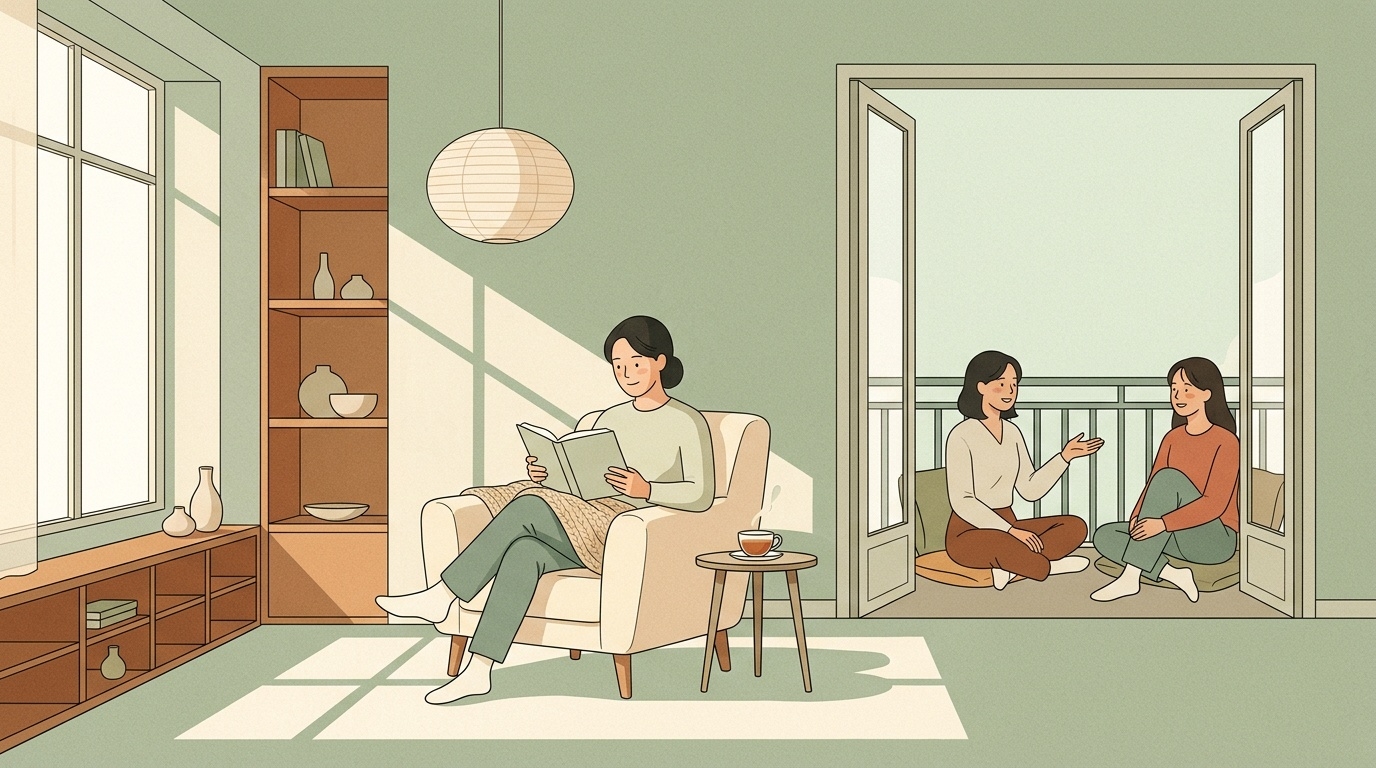
Overall, 59.4% wanted more personal time rather than more time meeting and socializing with others. The share was 64.0% among people in their forties. They wanted a greater portion of their time for themselves. Valuing close relationships does not necessarily mean filling all one’s leisure time with meetings, so this result can sit alongside the preference for a small core of people.
Other figures complicate the claim that relationship fatigue keeps getting worse. The share finding the effort of maintaining relationships tiring fell from 47.8% in 2025 to 43.9% this year. Those unwilling to spend time and money socializing fell from 29.6% to 26.3%. More than half wanted additional personal time, but these two measures of fatigue were both lower than a year earlier.
That distinction matters when interpreting the wish for more time alone. Personal time was widely preferred, while resistance to the effort and cost of socializing declined. The researchers interpreted the results as people becoming more accustomed to managing the burden by adjusting their social circles. The data directly show the decline in two fatigue-related answers; they do not establish that adjusting relationships caused fatigue to fall.
Distancing covers more than cutting someone off
Some 76.8% had ended or distanced themselves from a relationship that caused fatigue or stress, similar to the previous year’s 75.0%. The share was 81.2% among those in their forties and 79.6% among women. The Korean term sonjeol is often used for cutting someone off. This survey question also covered increasing distance, rather than only ending contact completely.
The most common reason, selected by 46.0%, was regularly feeling worse or drained after meeting someone. Feeling that the other person only sought them out when needed was selected by 34.4%, while 30.9% cited differences in values or routines that made conversation difficult. This question also allowed multiple answers. The reasons concern what a meeting feels like and how people interact, rather than the size of a social circle. The experience of seeing someone mattered alongside how often they met.
Feeling emotionally drained by having to watch another person’s reactions rose as a reason from 18.9% to 22.9%; among respondents in their twenties, it reached 34.3%. The Korean expression nunchireul boda describes monitoring another person’s mood or reactions and adjusting one’s words or behavior accordingly. Overall relationship fatigue fell, yet emotional strain became a more common reason for distancing. These different questions reveal more about the particular burdens people experienced.
Lower expectations, but relationships still matter
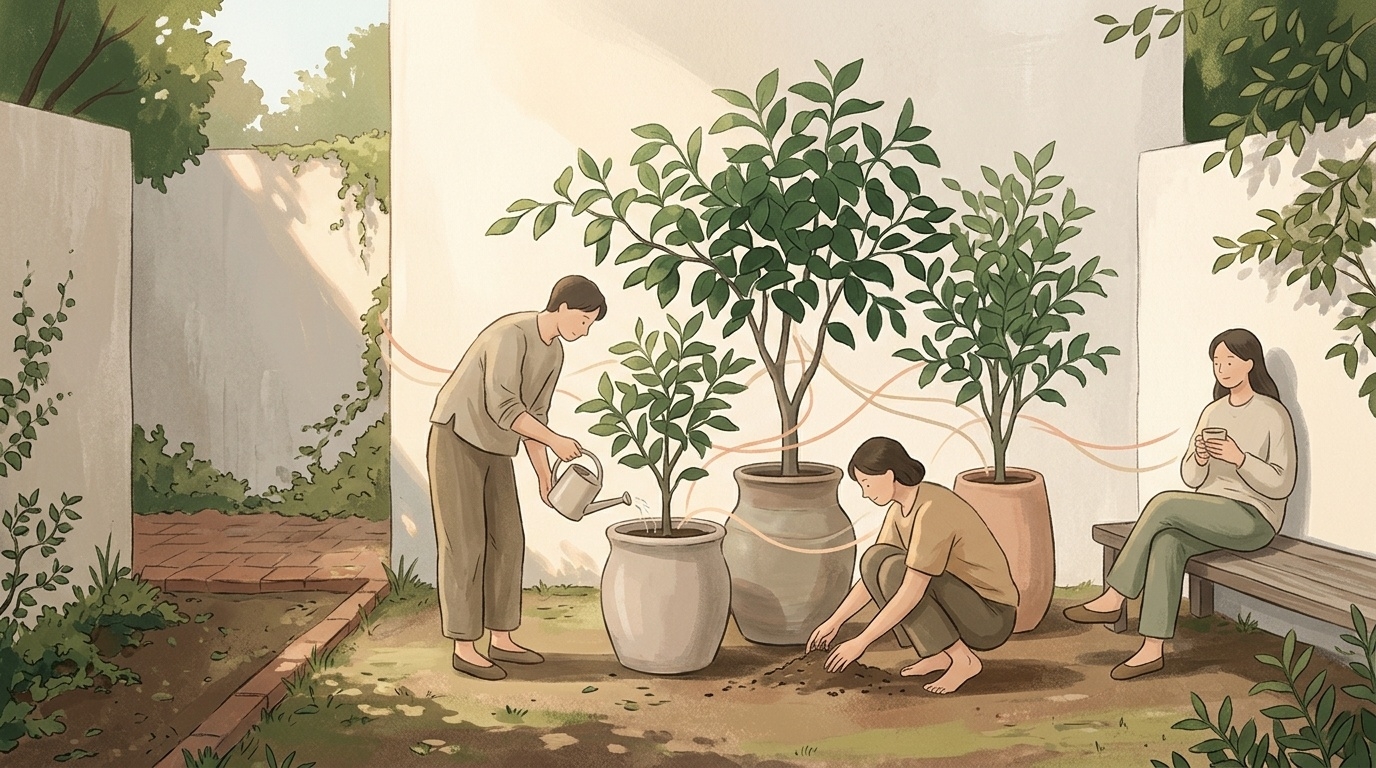
Some 67.1% thought it wiser to learn to do well on their own rather than rely on people. Another 58.8% thought loose connections without mutual expectations lasted longer, and 66.5% wanted appropriate distance even from close friends. When hurt by someone, 57.4% tended to distance themselves quietly rather than speak up. Across several questions, respondents wanted to preserve closeness while reducing the burden of making demands or explaining themselves.
The share agreeing that good relationships improve quality of life fell from 81.7% in 2023 to 76.1% in 2025 and 73.7% this year. Viewing a wide range of useful relationships as an asset also declined, from 63.4% to 59.2% and then 55.8%. Expectations of what relationships deliver weakened, but a majority still thought good connections helped their lives. Valuing relationships coexisted with a reluctance to keep expanding them.
Other measures do not support a simple account of people becoming more calculating. The share expecting some return for the effort they put into relationships fell from 67.5% to 60.1%. Those who considered whether a relationship was useful to them fell from 47.4% to 41.1%. Seeing relationships as assets and demanding a return both became less common. The survey points more toward reducing expectations than trying to extract greater benefits from others.
Returning to the people closest to us
Respondents found comfort in different places. Some 62.1% thought family were the only people who would ultimately remain on their side, and 51.4% felt most at ease with family rather than friends or partners. Meanwhile, 32.8% sometimes found it easier to discuss worries with AI than with a person; among people in their twenties, the share was 40.8%. These answers describe different sources of comfort and ways of easing emotional burdens.
The figures do not show that family or AI have replaced friends. The same survey found strong approval of having a few close connections and majority agreement that good relationships improve life. Taken together with the preference for personal time and declining fatigue measures, the results look more like a search for manageable forms of connection than a rejection of all human ties.
The three to five people at the start of this article describe where respondents concentrate attention and time, rather than simply a reduced friend count. A ‘relationship diet’ raises questions about how people maintain their closest ties, and the expectations and burdens involved, more than how many names they have removed from their lives. What remains to be seen is whether adjusting the breadth of relationships helps those valued connections last more comfortably.
Source: Embrain Trendmonitor, 2026 survey on relationships and attitudes to dating, and Embrain’s official blog, November 10, 2026.


