
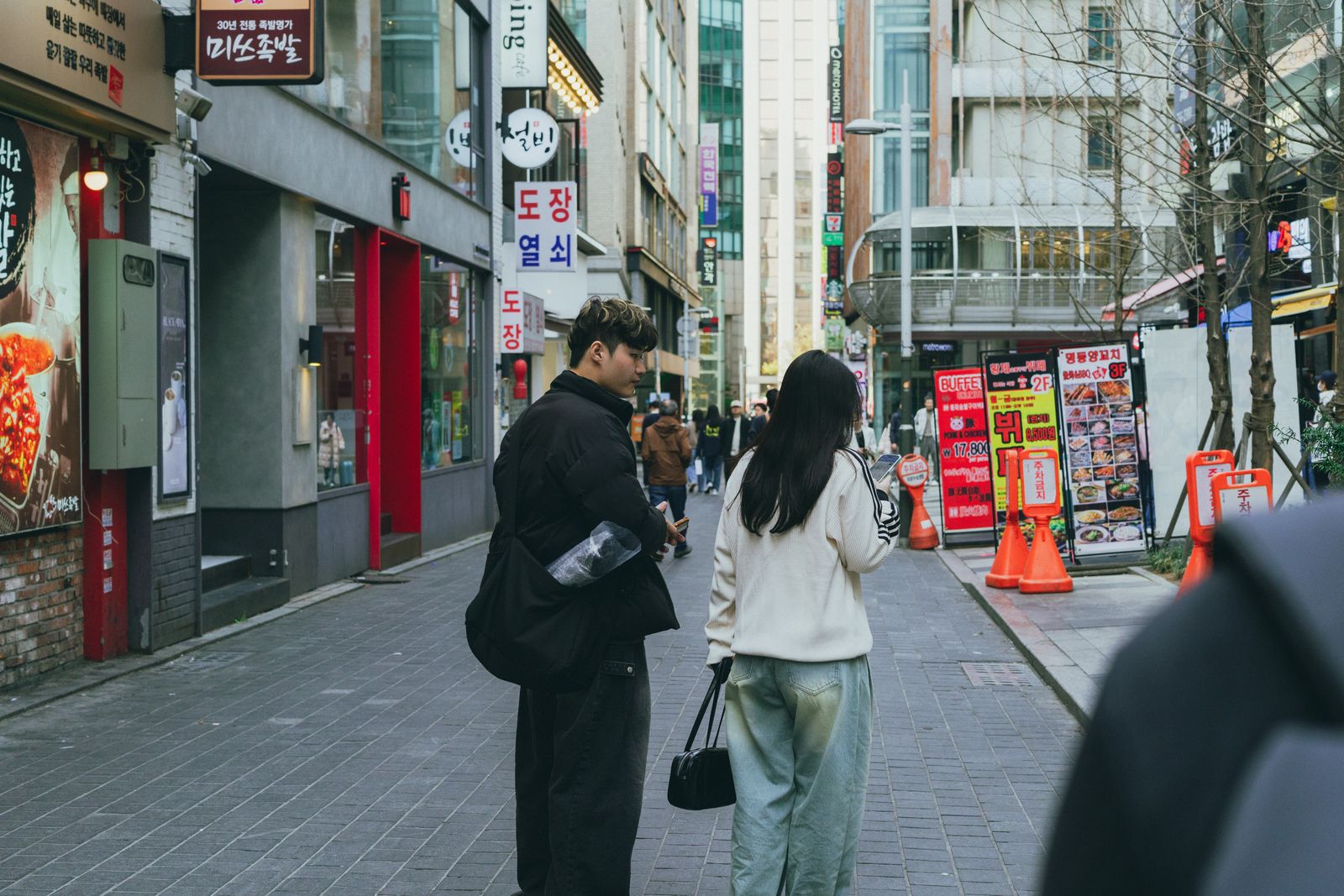
Walk out of Exit 3 of Hangangjin Station in Seoul’s Yongsan District these days, and within three minutes you’ll spot the five-story Comme des Garcons building across the street. Step behind it into the sloping back alleys, and the soundscape changes fast: English, Chinese, and Japanese now often outnumber Korean on the street.
Hannam-dong used to be the kind of place only locals and design-industry insiders really knew about. Now it has become one of Seoul’s defining shopping and lifestyle districts, drawing visitors from every corner of the globe. “A few years back, if ten people got off at Hangangjin Station, that felt like a lot,” one longtime local real estate agent, who has worked in the neighborhood for more than 15 years, told reporters. “Now a hundred people step off at once. Foot traffic has grown tenfold.”
The transformation traces back further than the flagship stores. A decade ago this was a quiet residential area. It started shifting when a handful of small independent cafes moved in, and accelerated once global fashion brands began opening flagship locations, changing the character of the alleys altogether. The neighborhood has also outgrown its old identity as a shopping-only destination. “I’m not really here to buy clothes,” one visitor in her twenties said. “I came to eat, get coffee, and just walk around and enjoy the time.”
The numbers back up what’s visible on the street. According to Korea Real Estate Board data on small commercial vacancy rates, the area around Hangangjin and Itaewon stations saw vacancy fall from 13.9 percent in the fourth quarter of 2024 to just 3.9 percent a year later, a ten-point drop in a single year. One cafe owner who has run a shop in the neighborhood for a decade put it simply: “These days, six out of ten customers are foreign visitors.”
How people find their way there varies by where they’re from. Chinese tourists frequently arrive by way of Xiaohongshu, the Chinese lifestyle app, following its “must-visit” lists; Western tourists tend to come by word of mouth about “Seoul’s hippest neighborhood.” A retail industry executive at CBRE Korea noted that Hannam-dong is one of the only commercial districts in Seoul where food-and-beverage spending and retail spending run at roughly equal levels, letting visitors combine a meal, a museum stop at the nearby Leeum Museum of Art, a look at brands like Porsche Studio Hannam, and a shopping run all in one visit.
Success has brought its own strains. Local brokers report that some newer building owners are raising rents to hit target yields, and combined with hefty key money payments common in Korean commercial leases, some longtime small merchants are being squeezed out. As one broker put it, whether the neighborhood can hold onto “its own flavor” rather than simply chasing trends may determine how long this moment lasts.
Source: Kang Se-hoon and intern reporter Yoo Ji-dam, Newsis, May 3, 2026.