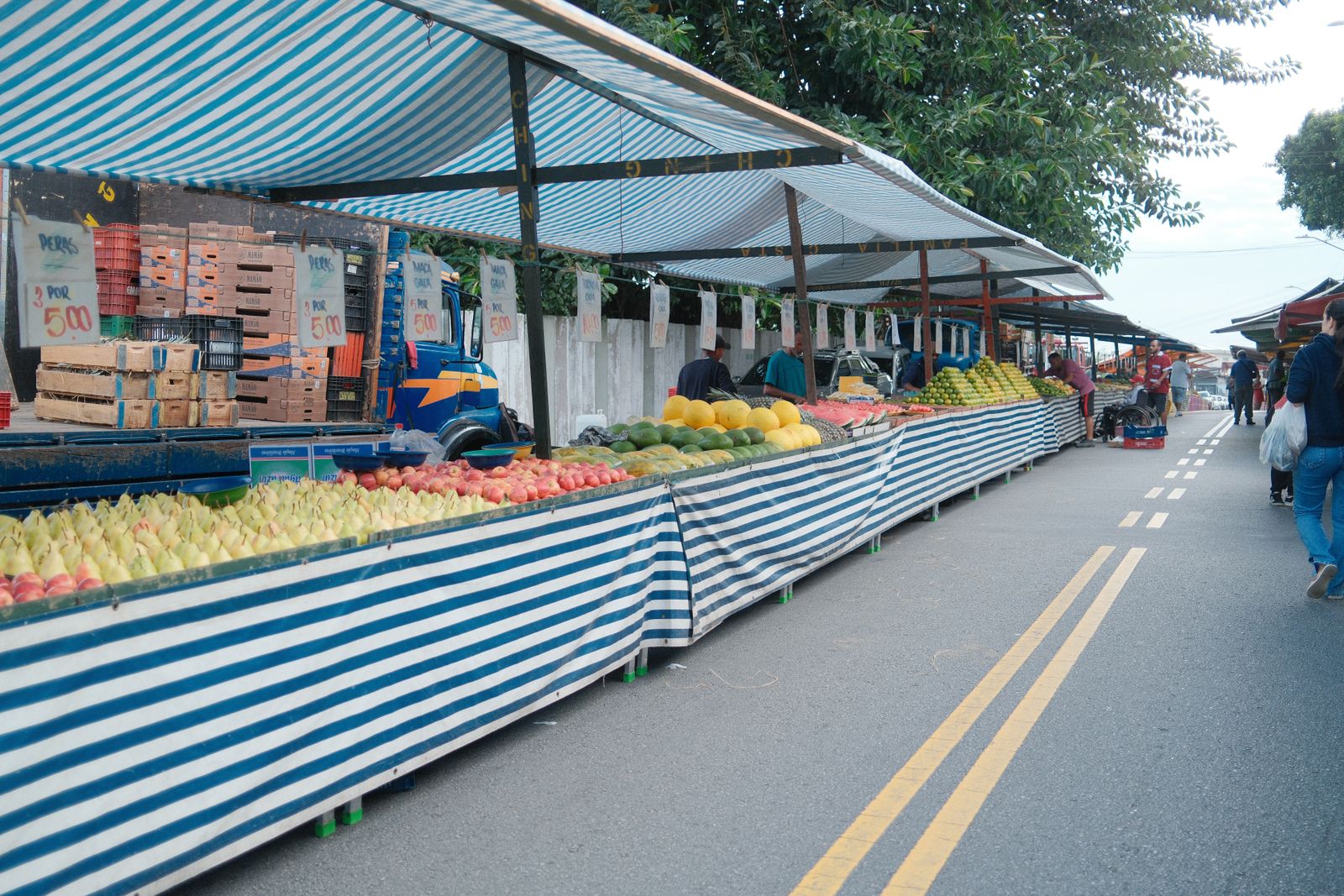
South Korea’s Ministry of Culture, Sports and Tourism has designated 11 traditional markets nationwide for service and infrastructure upgrades under the second phase of its “K-Tourism Mart” initiative, announced May 14, 2026 — a program aimed at transforming selected regional markets from primarily local shopping venues into destinations equipped to handle sustained international tourist traffic.
The initiative reflects a deliberate government strategy to spread Korea’s booming inbound tourism revenue beyond its already heavily visited major-city circuits into regional traditional markets that offer genuine cultural and culinary experiences but have historically lacked the infrastructure — multilingual signage, digital payment compatibility, tourist-friendly facilities — needed to convert casual foreign visitor curiosity into sustained tourist traffic and spending.
Selected markets are expected to receive support for digitalization efforts, including expanded digital and mobile payment acceptance to accommodate foreign visitors less likely to carry Korean cash, alongside physical convenience upgrades such as improved signage, rest areas, and accessibility infrastructure — improvements aimed at addressing some of the most commonly cited friction points foreign tourists report when navigating traditional markets independently.
The program builds on Korea’s broader tourism-decentralization push, which has gained urgency as officials look for ways to manage the country’s rapidly growing foreign visitor numbers without further concentrating tourist traffic — and associated congestion concerns — in Seoul’s already saturated central tourist districts, a challenge that has become more pressing as overall visitor numbers have grown well ahead of pre-pandemic levels.
While specific market names and upgrade timelines were still being finalized as the phase 2 designation was announced, the initiative adds to a growing portfolio of government efforts treating traditional markets as strategic tourism assets rather than purely domestic retail infrastructure, a shift that market vendors in previously designated locations have generally welcomed given the direct revenue benefits of increased foreign visitor traffic.
Source: Ministry of Culture, Sports and Tourism “K-Tourism Mart” phase 2 announcement, May 14, 2026.