Table of Contents
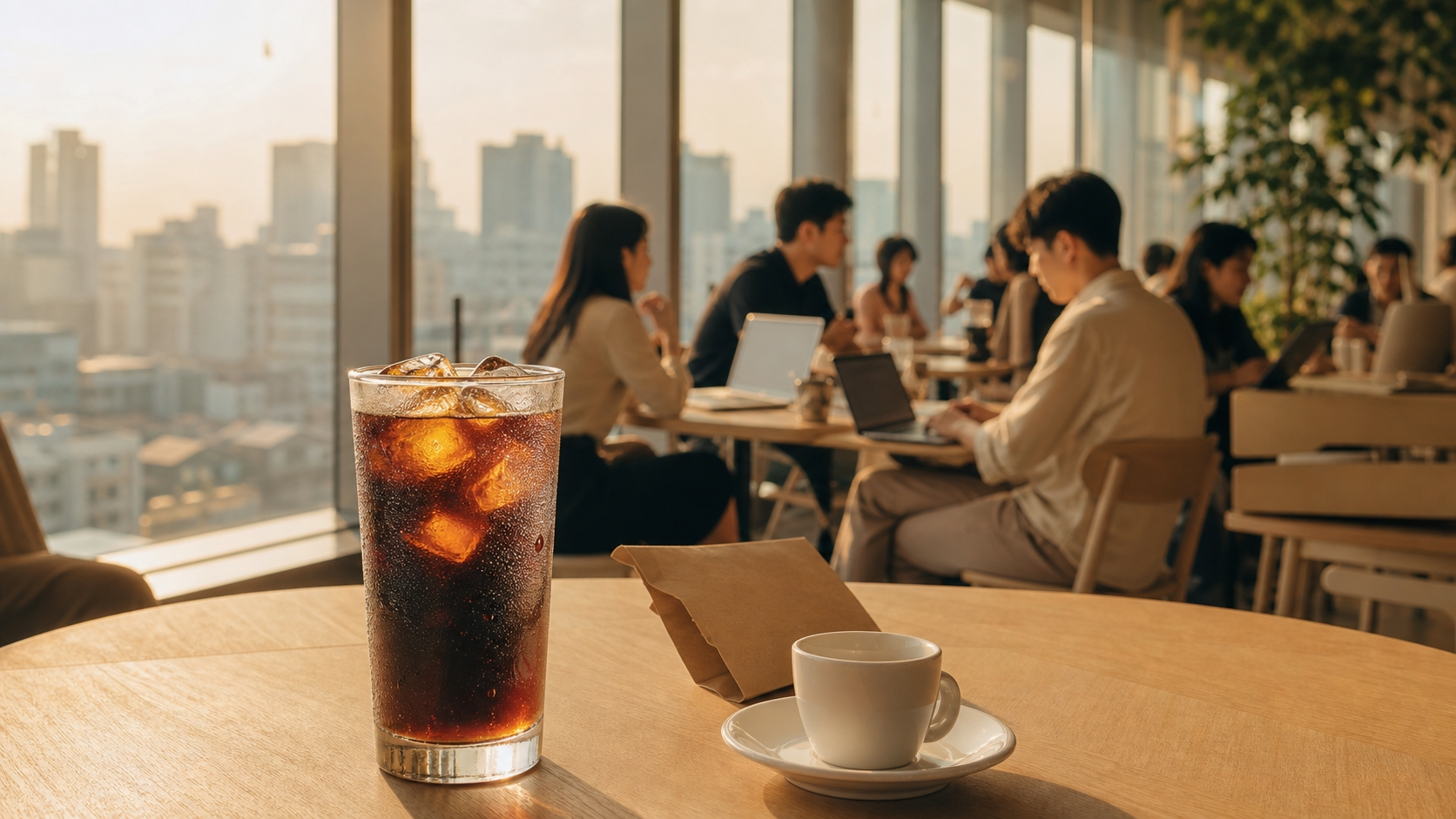
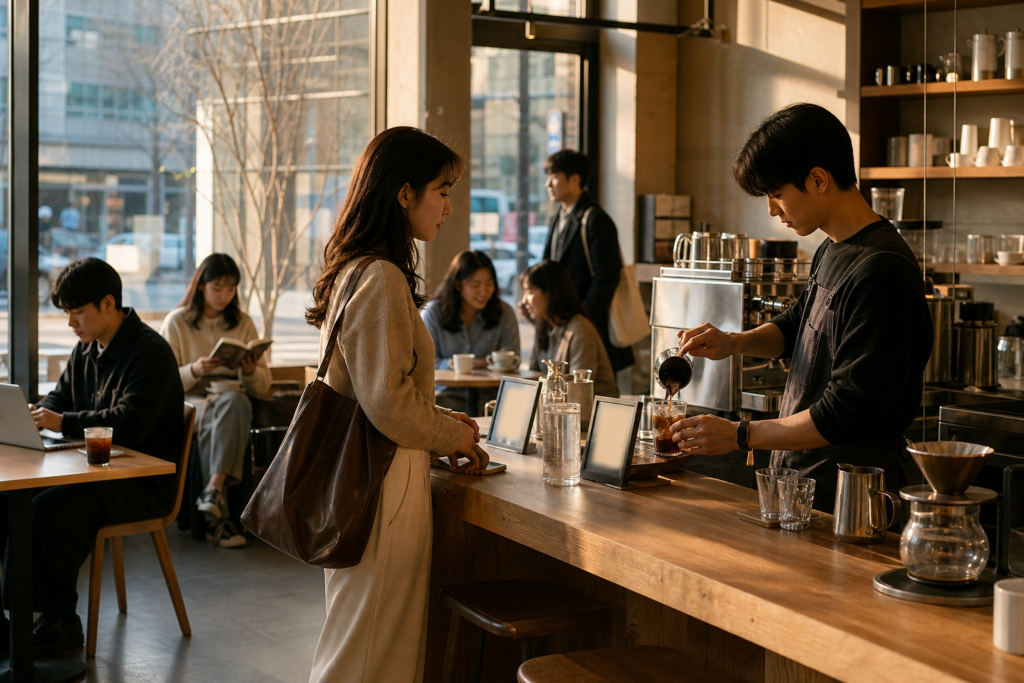
It’s a little past 3 p.m. on a Tuesday and the line at my neighborhood Ediya is out the door. Steam hisses from the espresso machine, someone’s phone buzzes with a mobile order number, and the guy in front of me leans toward the counter and says the word that’s been popping up everywhere lately: “Decaf, please.” Not “iced americano.” Not “vanilla latte.” Just decaf, like it’s the new default.
I used to think decaf was for pregnant coworkers or my mom, who can’t touch caffeine after 2 p.m. without staring at the ceiling until midnight. But something has shifted. When I ordered my own decaf iced americano last week, the barista didn’t blink. She just asked, “hot or iced,” like I’d asked for oat milk five years ago.
The Numbers Behind the Order You Keep Hearing
Turns out I wasn’t imagining it. Ediya Coffee said decaf menu sales jumped 25 percent between June 15 and July 14 this year compared to the same stretch last year. Starbucks Korea reported its decaf sales hit 45.5 million cups in 2025, up 39 percent from 32.7 million cups in 2024. Zoom out further and the climb looks almost absurd: 20.2 million cups in 2022, 21 million in 2023, then the jump to 32.7 million and 45.5 million in the two years after.
The decaf Cafe Americano was Starbucks Korea’s third best-selling drink of any kind last year. In 2019, decaf made up just 6.6 percent of all Americanos sold at Starbucks. In 2025, that number is 13 percent — one in every eight Americanos ordered has no real kick to it. And it’s not just Starbucks. A Twosome Place says its decaf sales have doubled since 2023. Mega MGC Coffee saw roughly a 70 percent jump in decaf sales in 2025. Paik’s Coffee’s decaf sales grew 330 percent the same year. Even accounting for a small starting base, that’s not a niche trend anymore — that’s a menu shift.
Thirty Years of Cafe Culture Hits a Fork in the Road
Korea’s coffee habit isn’t new. It’s been almost thirty years since Starbucks opened its first Korean store in Sinchon in 1999 and introduced the country to the idea of a cafe as a “third place” — somewhere between home and work to sit, work, and be seen. Since then, more than 100,000 cafes have opened around the country, and Koreans now drink an average of 416 cups of coffee a year — more per person than most places on Earth.
What’s changing isn’t how much Koreans drink. It’s when, and what’s in the cup. Inha University consumer science professor Lee Eun-hee put it this way: the recent preference for decaf is an extension of a broader customization trend, where people fine-tune what they consume to match how they feel and how healthy they want to be. Caffeine, she says, has become as central to a drink order as protein or sugar content. Sixty percent of Starbucks Korea’s decaf buyers are in their 20s and 30s, which tracks with what I see around me: friends who still want the ritual of a coffee run without the 11 p.m. staring contest with the ceiling.
How They’re Actually Taking the Caffeine Out
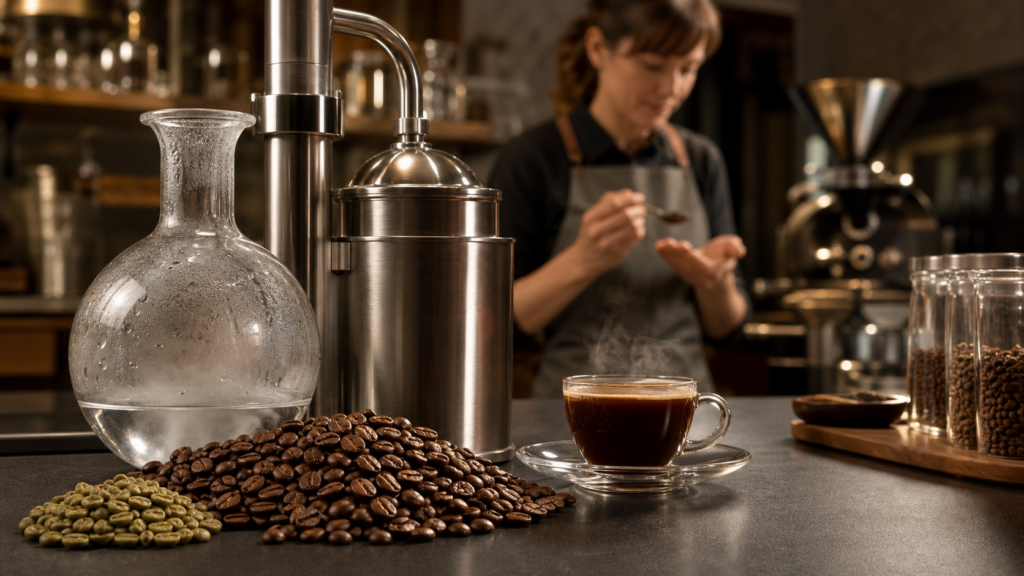
Here’s the part I didn’t expect to find interesting: the process. Starbucks uses supercritical CO2 extraction, paired with steam, to strip out 99.9 percent of the caffeine from the beans before roasting. No harsh solvents, no flavor stripped down to cardboard — at least that’s the pitch, and it’s part of why decaf has shaken its reputation as the sad, watery version of real coffee. An Ediya representative told local press that more customers are choosing decaf not because they want to cut coffee out entirely, but because they want to match their order to the time of day, while still getting the actual taste of coffee. That’s a different pitch than the old “decaf tastes like regret” stereotype.
The import numbers back this up. Korea’s imports of decaf coffee rose from 4,755 tons in 2021 to 10,040 tons in 2025 — more than double. In the first half of 2026 alone, decaf imports hit 5,387 tons, a 21 percent jump year over year. Meanwhile, regular coffee bean imports actually slipped, from around 195,000 tons in 2022 to 184,600 tons in 2025. Domestic decaf production nearly tripled too, from 6.46 million kilograms in 2020 to 18.64 million kilograms in 2024, though it’s still a small slice — about 1.3 percent — of Korea’s total coffee output.
The Rules Are About to Get Stricter — and So Are the Prices
Here’s where it gets a little less feel-good. Korea’s current labeling standard only requires 90 percent of the caffeine to be removed for a product to be called “decaf.” Compare that to the EU, which demands 99 percent removal, or the US Department of Agriculture, which sets the bar at 97 percent. That gap matters if you react to even a little caffeine. Starting January 1, 2028, Korea’s food safety authorities are tightening the rule so residual caffeine has to fall below 0.1 percent — a real jump from where things stand now.
That change is going to cost cafes money, and I’d bet it shows up in your receipt. Decaf already runs 300 to 1,000 won more than regular coffee at most chains, and tighter extraction standards typically mean pricier processing. If you’re already paying a caffeine tax to protect your sleep, budget for it creeping up further after 2028.
Decaf Isn’t a Magic Fix, and It’s Worth Knowing That
I’ll be honest: “decaf” sounds like zero caffeine, but it isn’t. Even under strict standards, decaf coffee usually still has somewhere between 2 and 20 milligrams of caffeine left in the cup. Under Korea’s current looser 90 percent rule, that residual amount can run higher than what you’d get in Europe or the US. If a single latte unravels your sleep, a Korean decaf order at 6 p.m. might not be the safe bet you assume — not until 2028’s stricter rule kicks in.
So here’s my actual advice, not the brochure version: decaf is genuinely useful if you want the ritual and the flavor without a full jolt, and the technology behind it has gotten good enough that it’s not the sad substitute it used to be. But don’t treat the label as a guarantee, especially late at night, and don’t be shocked when it costs more. Next time you’re in line, try ordering decaf after 3 p.m. instead of your usual — see if you actually notice a difference in how you sleep and how the coffee tastes. I did, and honestly, I couldn’t tell it apart from the regular one until I checked my phone at 11 p.m. and realized I wasn’t still wide awake.
*Source: Hong Yoo, The Korea Herald, July 17, 2026; The Korea Times, October 29, 2025; Seoul Economic Daily, July 16, 2026; Hankyung / Nate News, May 2026.*
Korean Original Version
한국어 원문 보기 / 원작 저자의 톤 비교(클릭하여 확장)
저자: Hana Suh
한국어 원문 영어 번역에서 드러나지 않은 한국 문화의 뉘앙스와 저자의 고유한 표현 스타일을 보여드립니다.
화요일 오후 3시가 조금 지난 시각, 우리 동네 이디야 매장 앞에는 줄이 문 밖까지 이어져 있다. 에스프레소 머신에서 김이 뿜어져 나오고, 누군가의 휴대폰에는 모바일 주문 번호 알림이 울린다. 내 앞에 선 남자가 카운터 쪽으로 몸을 기울이며 요즘 여기저기서 들리는 그 한마디를 던진다. “디카페인 주세요.” “아이스 아메리카노”도, “바닐라 라떼”도 아니다. 그냥 디카페인, 마치 그게 기본값이라는 듯이.
예전에는 디카페인이 임신한 동료나, 오후 2시 이후 카페인을 마시면 자정까지 천장만 바라봐야 하는 우리 엄마 같은 사람들을 위한 것이라 생각했다. 그런데 뭔가 달라졌다. 지난주 내가 직접 디카페인 아이스 아메리카노를 주문했을 때, 바리스타는 눈 하나 깜짝하지 않았다. 그저 “따뜻한 걸로 드릴까요, 아이스로 드릴까요”라고 물었을 뿐이다. 마치 5년 전 오트밀크를 주문했을 때처럼 말이다.
다들 이야기하는 그 주문 뒤에 숨은 숫자들
내 착각이 아니었다. 이디야커피에 따르면 올해 6월 15일부터 7월 14일까지 디카페인 메뉴 매출이 지난해 같은 기간보다 25% 늘었다. 스타벅스코리아는 2025년 디카페인 판매량이 4,550만 잔에 달해 2024년 3,270만 잔보다 39% 늘었다고 밝혔다. 더 거슬러 올라가면 증가세는 거의 터무니없어 보인다 — 2022년 2,020만 잔, 2023년 2,100만 잔, 그리고 이후 2년 사이 3,270만 잔과 4,550만 잔으로 뛰어올랐다.
디카페인 카페 아메리카노는 지난해 스타벅스코리아 전체 음료 중 판매량 3위를 기록했다. 2019년에는 디카페인이 스타벅스에서 팔린 전체 아메리카노의 6.6%에 불과했지만, 2025년에는 그 비율이 13%다 — 아메리카노 여덟 잔 중 한 잔은 실제로는 카페인 효과가 거의 없는 셈이다. 스타벅스만의 이야기도 아니다. 투썸플레이스는 2023년 이후 디카페인 판매량이 두 배로 늘었다고 밝혔다. 메가MGC커피는 2025년 디카페인 판매가 약 70% 증가했다. 빽다방의 디카페인 판매는 같은 해 330% 늘었다. 기저치가 작았다는 점을 감안하더라도, 이는 더 이상 틈새시장의 이야기가 아니라 메뉴 자체의 변화다.
30년 카페 문화가 만난 갈림길
한국인의 커피 습관은 새로운 게 아니다. 1999년 스타벅스가 신촌에 한국 1호점을 내고 카페를 집과 회사 사이에서 앉아 일하고, 남에게 보이기도 하는 “제3의 공간”으로 소개한 지 거의 30년이 지났다. 그 이후 전국에 10만 개가 넘는 카페가 생겼고, 한국인은 1인당 연평균 416잔의 커피를 마신다 — 지구상 대부분의 나라보다 많은 양이다.
바뀐 것은 얼마나 마시느냐가 아니라 언제, 무엇을 마시느냐다. 인하대 소비자학과 이은희 교수는 이렇게 설명한다. 최근의 디카페인 선호는 사람들이 자신이 느끼는 기분과 원하는 건강 상태에 맞춰 무엇을 섭취할지 세밀하게 조정하는 더 큰 맞춤화 트렌드의 연장선이라는 것이다. 그는 카페인이 이제 단백질이나 당 함량만큼이나 음료 주문에서 중심적인 요소가 됐다고 말한다. 스타벅스코리아 디카페인 구매자의 60%가 20~30대인데, 이는 내 주변에서도 확인되는 흐름이다 — 여전히 커피를 마시러 나가는 의식은 즐기고 싶지만, 밤 11시에 천장과 눈싸움을 하고 싶지는 않은 친구들 말이다.
실제로 카페인을 어떻게 빼는가
내가 예상 못 했던 흥미로운 부분은 바로 그 공정이다. 스타벅스는 초임계 이산화탄소 추출법을 증기와 함께 사용해 로스팅 전 원두에서 카페인의 99.9%를 제거한다. 독한 용매도 없고, 맛이 종이처럼 밋밋해지지도 않는다 — 적어도 그것이 회사의 설명이며, 이 덕분에 디카페인이 “밍밍하고 슬픈 커피”라는 오명을 벗어던진 셈이다. 이디야 관계자는 현지 언론에 요즘 고객들이 디카페인을 선택하는 이유가 커피를 완전히 끊고 싶어서가 아니라, 하루 중 시간대에 맞춰 주문하되 여전히 진짜 커피 맛을 원하기 때문이라고 말했다. “디카페인은 후회의 맛”이라는 옛 고정관념과는 다른 이야기다.
수입 통계도 이를 뒷받침한다. 한국의 디카페인 원두 수입량은 2021년 4,755톤에서 2025년 1만 40톤으로 두 배 넘게 늘었다. 2026년 상반기에만 디카페인 수입이 5,387톤으로 전년 동기 대비 21% 늘었다. 반면 일반 원두 수입량은 오히려 줄어, 2022년 약 19만 5천 톤에서 2025년 18만 4,600톤으로 감소했다. 국내 디카페인 생산량도 2020년 646만 킬로그램에서 2024년 1,864만 킬로그램으로 거의 세 배가 됐지만, 여전히 한국 전체 커피 생산량의 약 1.3%에 불과한 작은 비중이다.
규정은 더 엄격해지고, 가격도 오를 예정이다
여기서부터는 조금 덜 유쾌한 이야기다. 현재 한국의 표시 기준은 카페인의 90%만 제거되면 “디카페인”으로 표기할 수 있게 돼 있다. 이를 99% 제거를 요구하는 EU나, 97%를 기준으로 삼는 미국 농무부와 비교해보라. 카페인에 조금이라도 민감하게 반응한다면 이 차이는 중요하다. 2028년 1월 1일부터 한국 식품안전당국은 잔류 카페인 기준을 0.1% 미만으로 강화할 예정이다 — 지금보다 실질적으로 큰 변화다.
이 변화는 카페들에 비용 부담을 안길 것이고, 아마 영수증에도 반영될 것이다. 디카페인은 이미 대부분의 프랜차이즈에서 일반 커피보다 300~1,000원 더 비싸며, 추출 기준이 엄격해질수록 가공 비용도 대체로 더 든다. 이미 잠을 지키기 위해 ‘카페인세’를 내고 있다면, 2028년 이후 그 비용이 더 오를 것을 감안해두는 게 좋다.
디카페인은 만능 해결책이 아니다, 알아둘 만한 사실이다
솔직히 말하면 “디카페인”이라는 이름은 카페인이 전혀 없다는 뜻처럼 들리지만 실제로는 그렇지 않다. 엄격한 기준을 적용해도 디카페인 커피 한 잔에는 보통 2~20밀리그램의 카페인이 남아 있다. 지금처럼 90%만 제거하면 된다는 느슨한 한국 기준 아래에서는, 그 잔류량이 유럽이나 미국 기준보다 더 높을 수 있다. 라떼 한 잔에도 잠을 설치는 사람이라면, 저녁 6시에 마시는 한국식 디카페인 주문이 2028년의 더 엄격한 기준이 시행되기 전까지는 안전한 선택이 아닐 수도 있다.
그러니 홍보 문구가 아니라 내 실제 조언을 드리자면, 디카페인은 온전한 각성 효과 없이 의식과 맛을 원할 때 정말 유용한 선택이고, 그 기술도 예전의 ‘슬픈 대체품’ 수준을 넘어설 만큼 좋아졌다. 다만 그 라벨을 절대적인 보장으로 여기지는 말고, 특히 늦은 밤에는 주의하고, 가격이 오르는 것도 놀라지 말길 바란다. 다음에 줄을 설 때는 평소 주문 대신 오후 3시 이후 디카페인을 한번 시켜보라 — 잠자는 데, 그리고 맛에 실제로 차이가 있는지 직접 확인해보시길. 나도 그렇게 해봤는데, 솔직히 밤 11시에 휴대폰을 확인하고 나서야 내가 여전히 말짱하게 깨어 있다는 걸 깨달을 때까지는 일반 커피와 구별이 안 됐다.
출처: 홍유, 코리아헤럴드, 2026년 7월 17일; 코리아타임스, 2025년 10월 29일; 서울경제, 2026년 7월 16일; 한경/네이트뉴스, 2026년 5월.