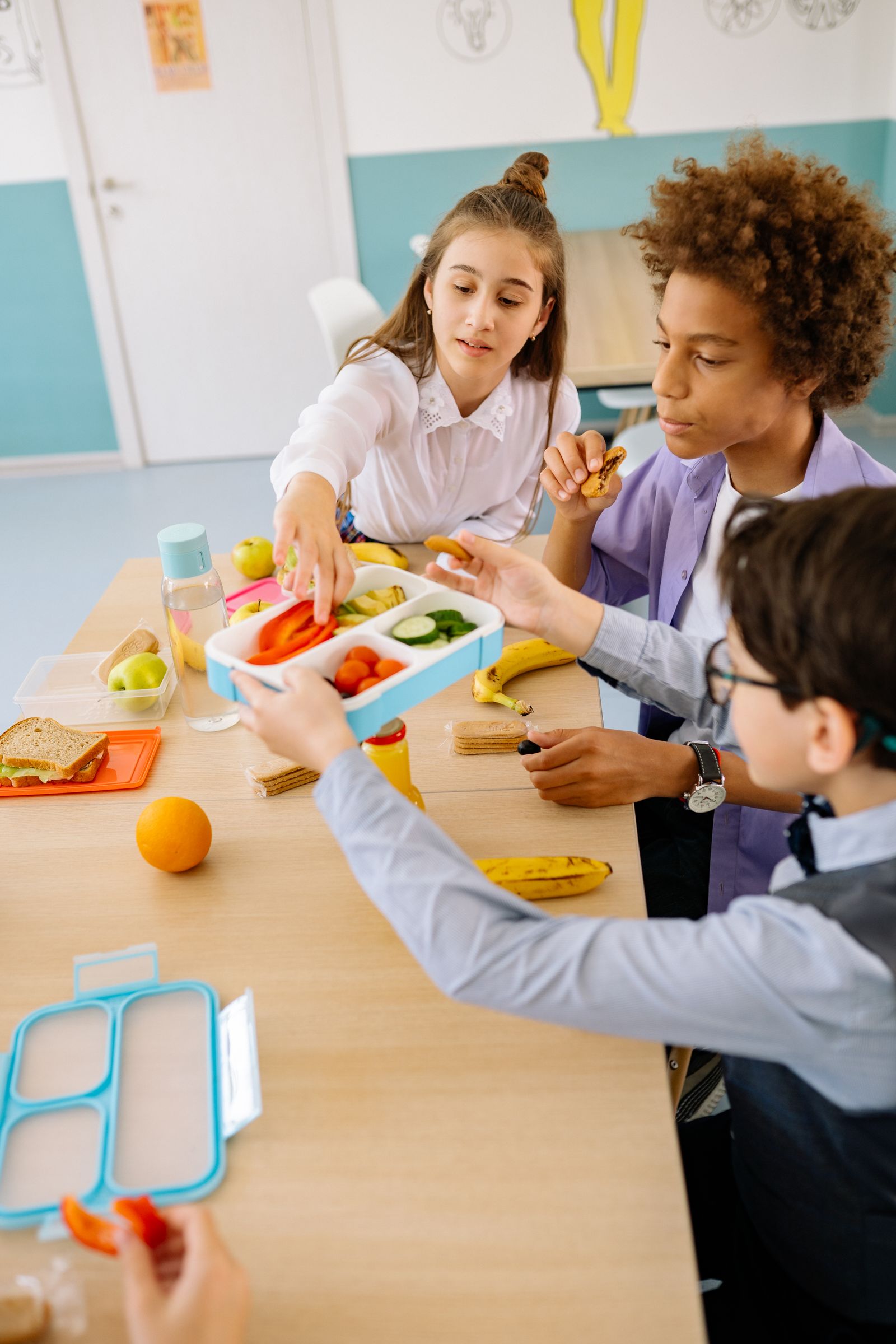
International media coverage of Korean school cafeteria meals has drawn renewed attention in 2026, with foreign outlets expressing surprise at the variety and presentation of standard public-school lunches — coverage that Korean domestic media has in turn reported on as a point of national food-culture pride, describing the phenomenon as “K-급식” (K-school-meals) drawing global interest similar to other Korean cultural exports.
Korea’s school lunch program operates at enormous scale: as of the most recent full academic-year count, 12,047 elementary, middle, high, and special-needs schools nationwide serve meals to roughly 5.18 million students, a system built on standardized nutritional planning combined with meaningful regional and school-level menu variation rather than a single uniform national menu.
The “course-style” framing that has drawn particular foreign attention refers to the way many Korean school cafeterias structure a single meal across multiple components — rice, soup, a main protein dish, and several side dishes (banchan) — served together on a single tray in a format that can visually resemble a more elaborate restaurant meal than the simpler single-tray lunches common in school cafeteria systems elsewhere.
Domestically, Korean school-meal policy remains an active and sometimes contentious policy area even as the program draws international praise: ongoing debate continues around how school-meal quality should be evaluated, with critics arguing that satisfaction-survey-driven evaluation metrics can prioritize taste and student complaint-avoidance over nutritional rigor, an unresolved tension in how the country’s massive meal program balances health objectives against practical feedback mechanisms.
The gap between the international “wow” reaction to Korean school lunches and the more granular domestic policy debate around meal-evaluation methodology illustrates how a system can be both a genuine point of comparative national strength and still carry unresolved internal disagreements about how to keep improving it.
Source: Seoul Shinmun international coverage of Korean school lunches, April 2026; Korean school-meal policy and enrollment figures, 2026.