Table of Contents
Olive Young Moves Into Sephora’s Aisles
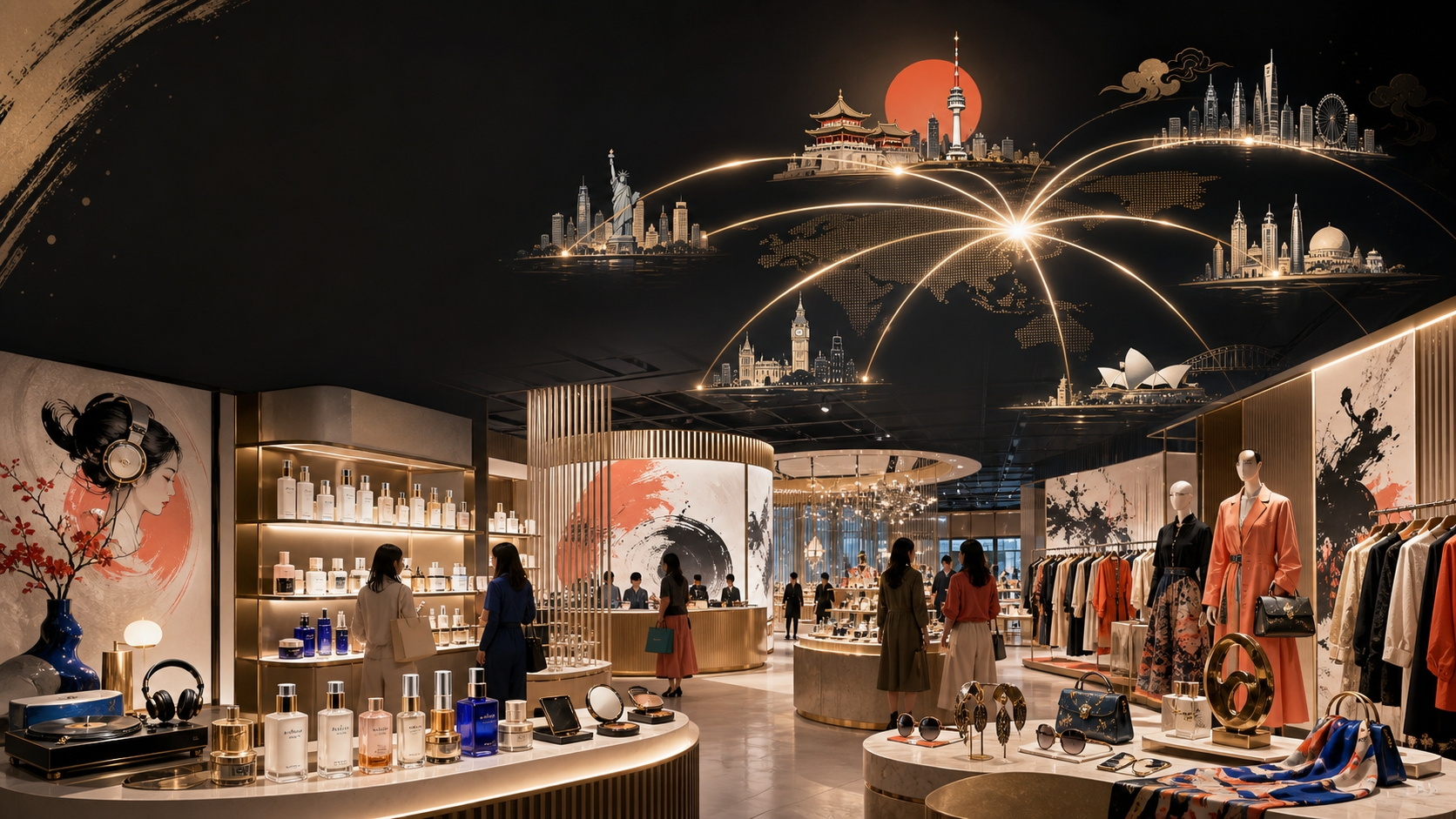
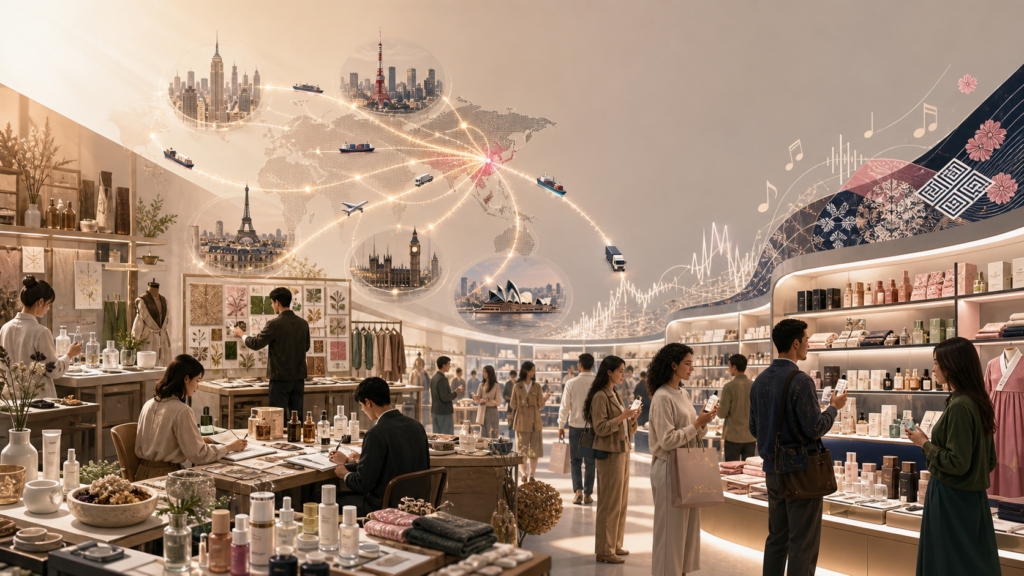
CJ Olive Young, South Korea’s largest K-beauty retail chain, announced a partnership with Sephora, the world’s largest beauty specialty retailer, to open “Olive Young Curation Zones” inside Sephora’s physical and online stores. The rollout begins in the second half of this year across six regions, including North America (the United States and Canada) and major markets in Asia, before expanding to the Middle East, the United Kingdom, and Australia. Sephora currently operates more than 600 stores in the U.S. alone, giving Olive Young-curated K-beauty products immediate access to one of the largest beauty retail footprints in the world.
Why Two Rivals Are Suddenly Partners
What makes this partnership notable is that the two companies are technically competitors. Olive Young is preparing to open its own first store in Los Angeles next May, entering the very market where Sephora is the dominant player. Yet the two sides teamed up anyway: Sephora needed stronger curation capability to build out its K-beauty category, while Olive Young calculated that plugging into an existing global retail network would be far faster than building hundreds of its own stores from scratch.
The Real Winner: Small and Indie Brands
The biggest beneficiaries of the deal may not be the two retail giants themselves, but the small and indie Korean beauty brands riding along with them. For an individual indie brand, breaking into Sephora on its own is nearly impossible. Bundled inside an Olive Young-curated selection, however, those same brands gain a direct route onto major global shelves — a pipeline that turns brands already proven in the domestic Korean market into instant global retail presences. Olive Young also said it would run integrated marketing campaigns to boost sales across the K-beauty category as part of the partnership.
HYBE Brings Artist IP to Korean Fashion Manufacturing
A parallel move is playing out in fashion. On July 23, HYBE signed a business agreement with the Korea Fashion Association at “2026 K-Fashion Connect,” an event held at COEX with support from the Ministry of Trade, Industry and Energy. The core of the agreement is building a production system for K-fashion goods centered on artist IP — connecting HYBE’s roster of artist intellectual property with established domestic manufacturers to create an intersection between the content industry and the manufacturing industry.
Content and Manufacturing Start Sharing Networks
The significance is straightforward. K-pop merchandise has historically stayed limited to one-off items, while Korea’s sewing and textile manufacturers — despite strong production capability — often remained stuck as subcontractors without their own brands. Connecting the two could produce fashion brands with guaranteed early demand from an existing fanbase. Yoo Dong-ju, who heads HYBE’s music business division, described the goal as strengthening the link between the content and manufacturing industries. Together, the Olive Young-Sephora and HYBE-fashion deals tell the same story: Korean content and Korean manufacturing are no longer staying in their own lanes, but are borrowing each other’s distribution networks and IP — a shift from individual brands struggling alone toward industry-wide connections.
Source: CJ Olive Young / HYBE press releases, July 2026.