
Table of Contents
Lee Chang-dong’s First Film in 8 Years Hits Korean Theaters on September 23
Director Lee Chang-dong’s latest work, Possible Love, opens in select Korean theaters on September 23. It’s his first feature film in eight years since Burning in 2018, with a running time of 164 minutes, his longest film to date, and it carries an R-rating (restricted to adults) in Korea. After its theatrical run, the film opens in the US, Canada, the UK, Ireland, and Japan on October 23, then reaches a global audience through Netflix on November 6. The rollout moves from the festival circuit to theaters and then to streaming.
Before its theatrical release, the film had already been recognized on the festival circuit. It won the Grand Jury Prize, the Silver Lion, in the main competition of the 83rd Venice International Film Festival, and also received the FIPRESCI Award from the International Federation of Film Critics. The Grand Jury Prize ranks just below the festival’s top prize, the Golden Lion, and this is the first time a Korean film has won it. Winning both awards has raised anticipation ahead of the domestic release.
Two Couples Navigating Vastly Different Lives
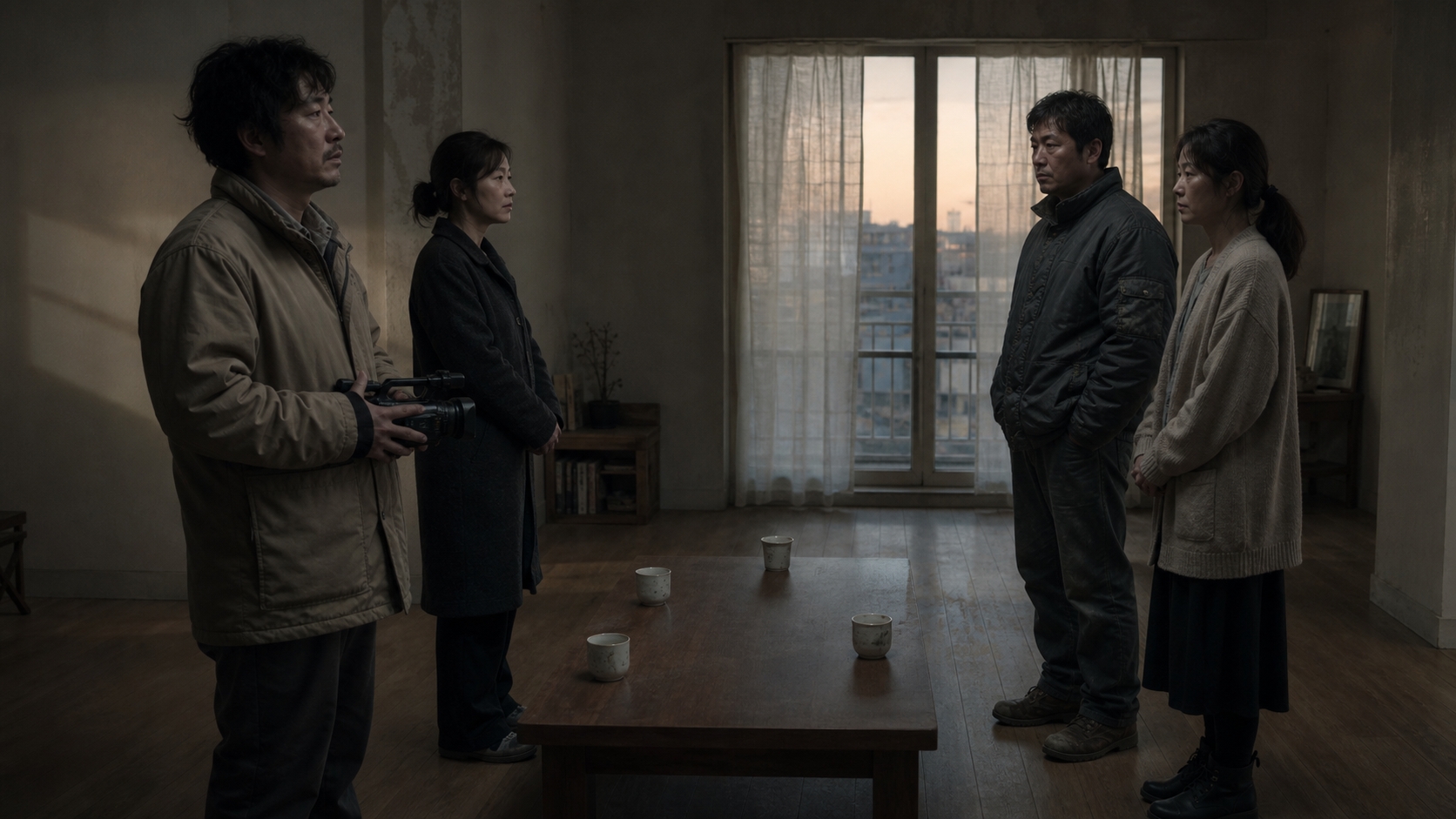
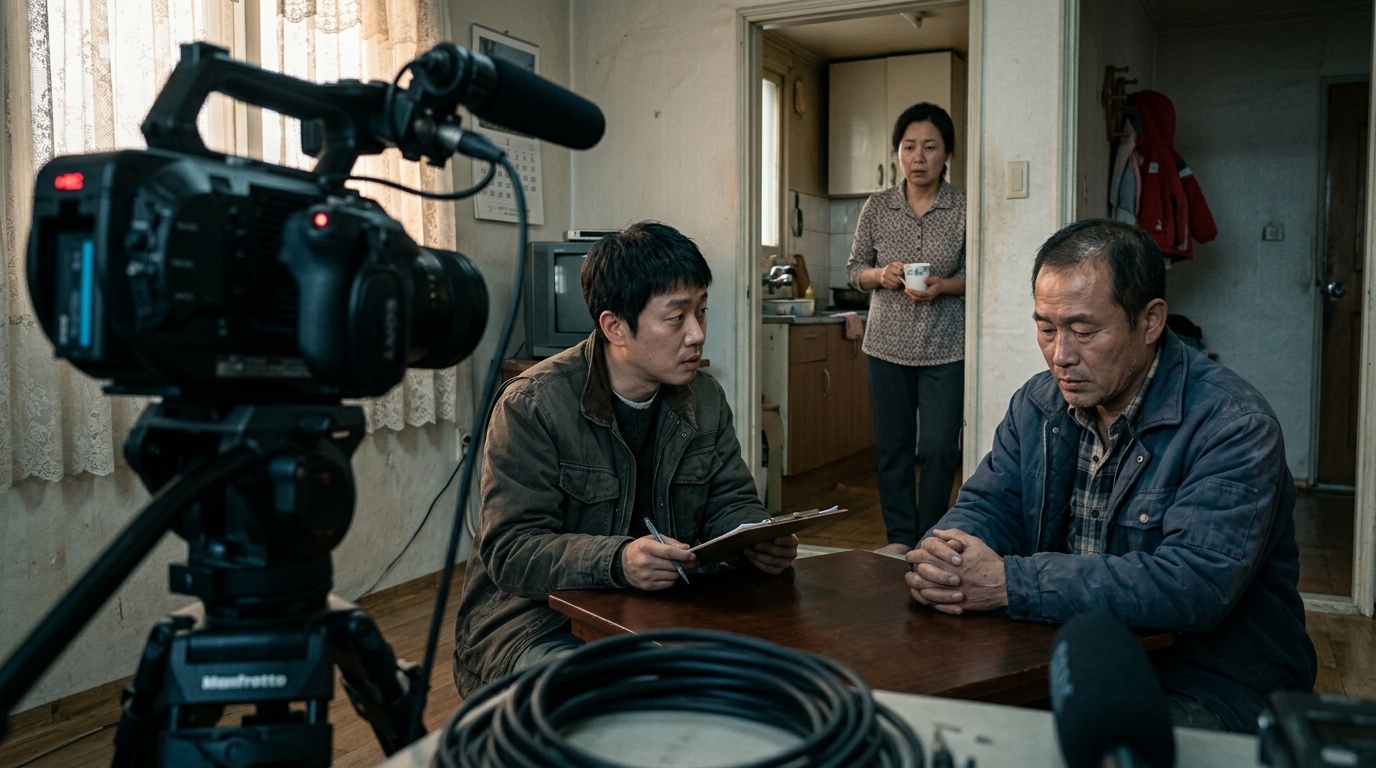
Possible Love follows two couples living very different lives: laid-off worker Ho-seok and his wife Mi-ok, and documentary filmmaker Ye-ji and her husband Sang-woo. When Ye-ji approaches Mi-ok and Ho-seok to make a documentary about laid-off workers, the lives of the four begin to intertwine. What starts as a relationship between filmmaker and subject turns personal, and both couples are forced to confront feelings and desires they had kept hidden. The setup, where one couple’s hardship becomes the other’s subject matter, is what exposes the distance and imbalance between them.
Jeon Do-yeon plays Mi-ok and Sol Kyung-gu plays Ho-seok, while Cho Yeo-jeong plays Ye-ji and Zo In-sung plays Sang-woo. Jo Yu-ri also appears in the cast. The mix of actors from different generations and backgrounds is one draw of the film, but its focus is less on the ensemble cast and more on the tension between class, labor, marriage, and the act of filming someone else’s life.
A Journey That Began in Venice
The film had its world premiere at the Venice International Film Festival on September 6. Lee Chang-dong previously won the Silver Lion for Best Director there with Oasis in 2002. This time he won the Grand Jury Prize, an award given to the film rather than the director, marking his return to the Silver Lion after 24 years. The two awards share a name but recognize different things.
The Venice jury selected Possible Love from 21 competition titles for the Grand Jury Prize. Before that, the International Federation of Film Critics had already named it the best film in the competition. Winning both the official jury prize and a critics’ award suggests the film’s direction and themes resonated with two different kinds of judges.
Possible Love was also invited to the Special Presentations section of the 51st Toronto International Film Festival, a section built around new work from established directors and films expected to draw international attention. It’s a natural next step after Venice, introducing the film to North American audiences.
Questions of Labor and Connection Woven into 164 Minutes
In his acceptance speech, Lee said he made the film to ask what cinema can do at a time when labor is disappearing and connections between people are breaking down. That framing makes clear the film isn’t just a melodrama about two couples’ entanglement. As the laid-off worker’s reality collides with the documentary filmmaker’s attempt to capture it, the film exposes economic gaps and raises questions about the ethics of representation, without stripping the characters’ desires of their social context.
The 164-minute runtime reflects a choice not to compress these four characters’ relationships into a plot twist or a tidy ending. There’s a clear power imbalance between the person holding the camera and the person being filmed, just as there is between a financially secure couple and one that has lost its livelihood. The film doesn’t just describe that gap; it asks whether believing you understand someone else can itself become another form of intrusion.
Bridging the Gap Between Theaters and Streaming
Korean audiences can see the film in select theaters starting September 23. Because this is a limited run ahead of the Netflix release, it works differently from a typical wide release. For viewers who want to watch the 164 minutes on a big screen without distraction, the theatrical window matters. The film then opens in Australia on October 22, followed by the US, Canada, the UK, Ireland, and Japan on October 23.
On November 6, it becomes available worldwide on Netflix. The film moves from festival judgment, to theaters in several countries, to a global streaming audience. That path shows how an auteur film can reach beyond festivals and art-house theaters. Whether such a short theatrical window gives a film this long enough time to find its audience remains to be seen.
With Lee Chang-dong’s return, a Venice win for Korean film, and a Netflix release lined up in sequence, Possible Love brings together several strands at once. What happens next is how its questions about labor, class, and human connection land with audiences well outside the festival circuit.
Sources: 83rd Venice International Film Festival Official Award Announcement, September 2026; Netflix Official Announcements, July 27 & September 12, 2026; Money Today Network (MTN), September 13, 2026; Toronto International Film Festival Official Program, 2026.