

Table of Contents
From a merch line in Seoul to a theater seat
Outside the official Chiikawa merchandise store in Seoul, fans wait overnight for limited-edition items, and some of those items resell for ten times their retail price. The Korea Herald described the scene on October 19. Interest in this small, easily tearful character has spread well past phone screens and display shelves. A film starring the same character is still drawing crowds in Korean theaters four weeks after release. The hours spent waiting for merchandise and the hours spent watching the story in a theater have become one fan culture.
The audience’s own words help explain the craze. Park Min-ji, a 28-year-old office worker, told The Korea Herald: “Honestly, it’s cute before anything else, but there’s this dark streak running through it.” She added that she sees a lot of herself in it. The round faces and tiny bodies are what first catch people’s attention. The hard world the characters live in is what keeps adult viewers watching. A cute creature getting through an exhausting day makes people laugh and feel sorry for it at the same time, and young Korean audiences take in this Japanese work somewhere between those two feelings.
Korean fans also call Chiikawa “Meonjakgwi,” short for the Korean title, which means roughly “something small and cute.” The nickname takes the original Japanese name, a blend of the words for “small” and “cute,” and gives it a Korean flavor. The friendly name says little about what the story is actually like. Inside it is a life of looking for work, taking exams and finding somewhere to live. Even small, adorable creatures have to make a living, and that gives adult fans more to read into.
People in their 20s and 30s are driving a four-week run
“Chiikawa the Movie: The Secret of the Mermaid Island” opened in Korea on September 30. It took back the No. 1 spot at the box office on October 14 and held it for nine straight days through October 22. Reports citing the Korean Film Council’s integrated ticketing network put its October 22 attendance at 23,254, for a cumulative total of 1,927,845 admissions. Its share of that day’s ticket sales was 22.5%. With 2 million admissions within reach, the film has kept drawing audiences long after its opening buzz.
Who is buying tickets makes it hard to treat this as a children’s character hit. In CGV booking data cited by The Korea Herald, about 70% of ticket buyers were in their 20s or 30s. That figure covers only one theater chain, but the share of young adults stands out all the same. It fits with how strongly viewers respond to the story’s scenes of work and housing. The same person can love cute characters and also see their own daily struggles on screen.
In the October 22 rankings, the film stayed ahead of director Yeon Sang-ho’s new release “Paradise Lost” and of “The Assassin(s),” which has passed 3.3 million admissions. Yonhap News reported that 4DX screenings, with moving seats and environmental effects, were set for 37 CGV theaters nationwide on October 24 and 25. Rankings and special screenings show how big the interest is. They don’t show why audiences stay with this story, and for that you have to look at the world the characters live in.
Small bodies, not-so-small jobs
Chiikawa started in 2020 as a comic that the Japanese artist Nagano posted on Twitter, the platform now called X. In 2022 it became a TV anime made of episodes about a minute long. The short format made it easy to enjoy the characters’ faces and reactions in quick bites. The film stretches that world into a full-length story. Longtime fans get to spend more time with familiar characters, and newcomers get the whole hidden order behind the cuteness in one sitting.
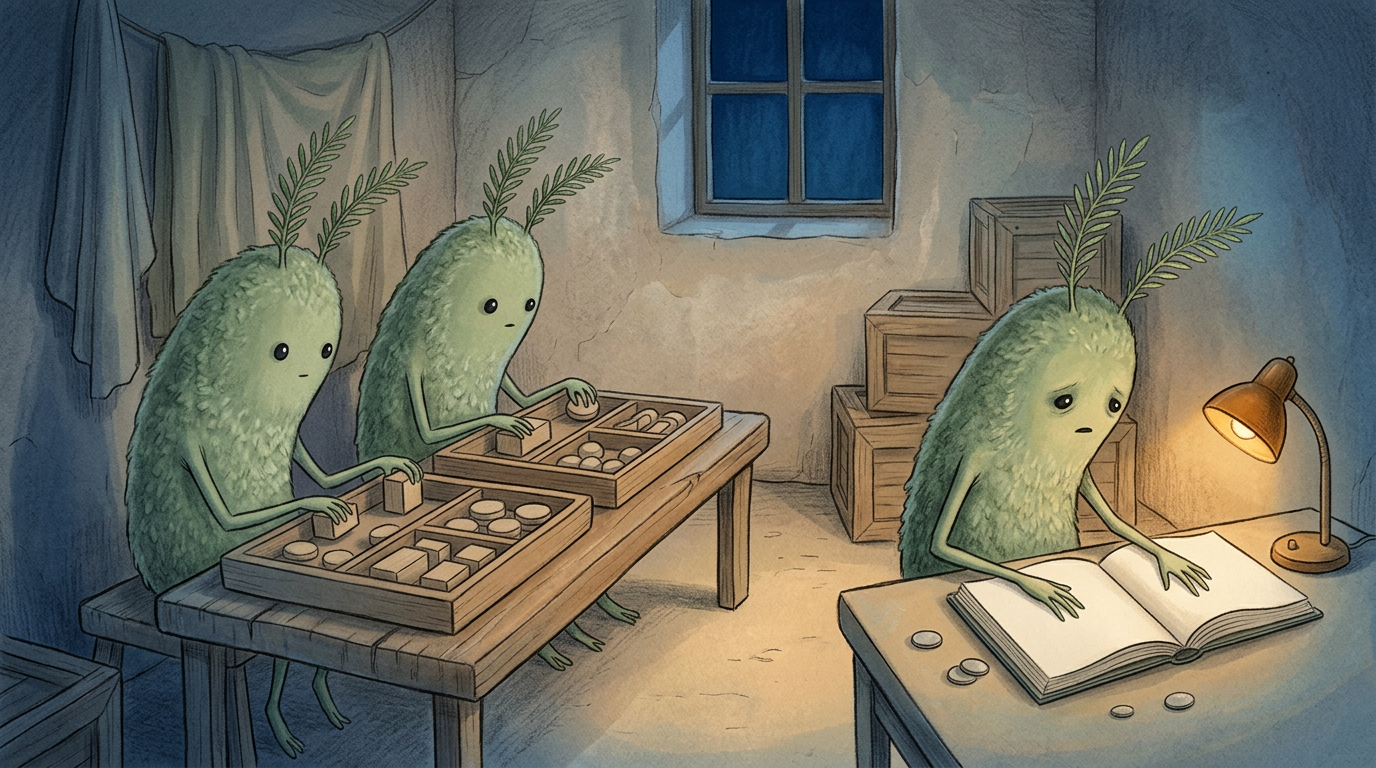
Work sits at the center of that order. The characters get by pulling weeds and putting stickers on goods at a factory. Better pay means passing a certification exam and taking on dangerous “subjugation” jobs, which involve fighting the threatening creatures of their world. The jobs are not copies of real ones, but repeating simple tasks while preparing for a qualification that might lead to better conditions is a familiar routine. Whatever a character’s size, making a living takes time and effort.
This setup clashes with how adorable the characters look. Creatures that seem to need protecting go out, find work on their own and deal with their own failures. Viewers laugh at them and feel for them at the same time. The “dark streak” Park mentioned covers more than the sudden scary moments in the story. It also covers an everyday life where wanting to do well guarantees nothing, and where better conditions mean competing all over again. The cuteness doesn’t erase that reality. It gives viewers enough emotional distance to look at it.
Passing the exam doesn’t come with a house
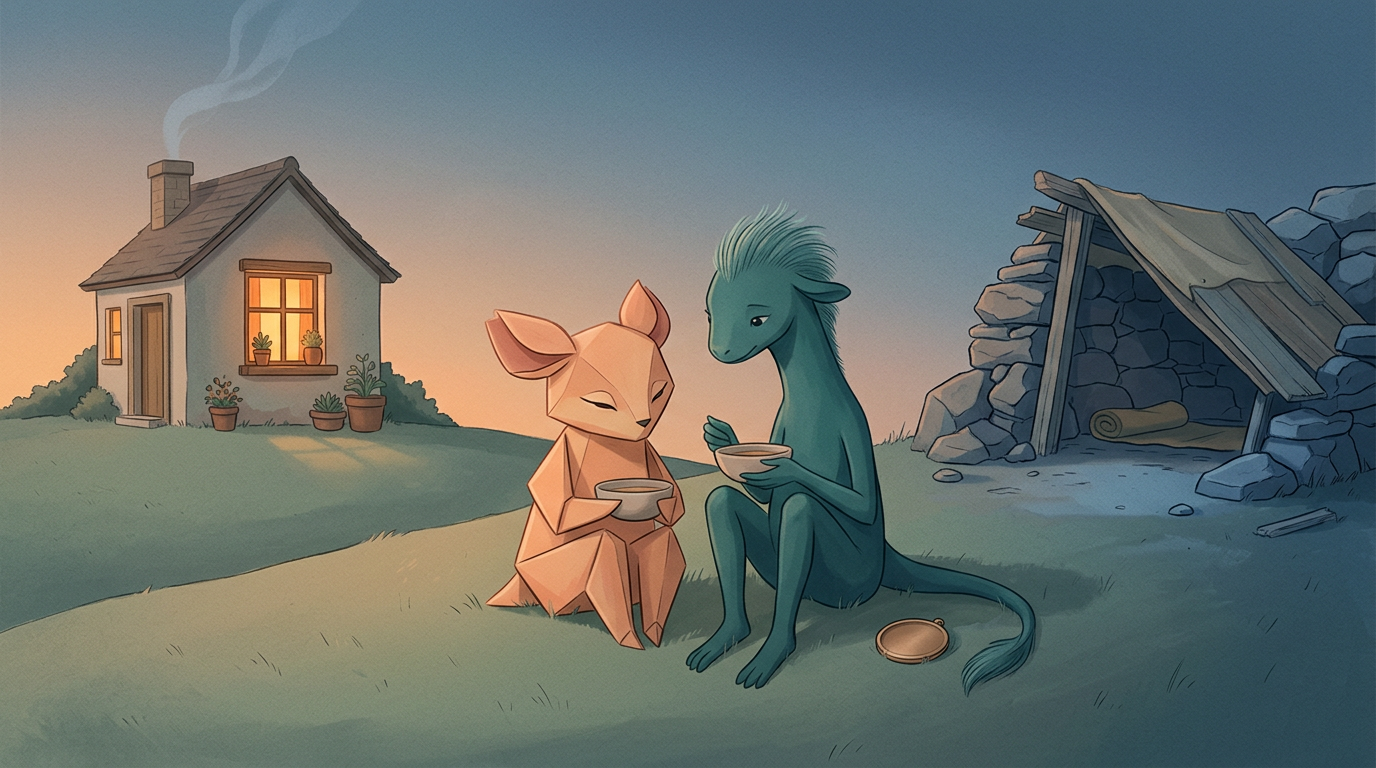
The housing gap between Chiikawa and Hachiware sums up how this world works. Chiikawa failed the certification exam but won a housing lottery and lives in a nice home. Hachiware passed the exam and still lives in a cave. Success in one area doesn’t carry over to the others, and exam results and housing don’t line up neatly. Hard work and pure luck shape the characters’ lives along separate tracks. That mismatch stays with viewers longer than a simple success story would.
This is part of why young Koreans see themselves in the story. Getting ready for a job, earning qualifications and finding stable housing are connected, but each is its own burden. Reaching one goal rarely settles the rest of life, and the story’s setting matches that experience closely. The Korea Herald pointed to the job and housing pressures young Koreans face as the local backdrop for this connection. The film never deals with Korea directly, yet audiences easily spot the imbalances of their own lives in it.
Viewers don’t so much envy a successful character as feel close to one who is struggling. Hachiware passed the exam and still lives in a cave, and both facts stand. Chiikawa’s nice house isn’t a reward for a good score either. The characters simply keep living in a world where results never come out clean. Audiences can look at them as friends with their own circumstances instead of sorting them into winners and losers. That is where the feeling comes from that these tiny characters are voicing life’s fatigue for them.
The catch in a job that pays 100 times more
The film puts this question of making a living at the start of its adventure. Chiikawa and friends travel to an island after seeing a job posting that promises 100 times the usual pay. The subjugation mission they are given turns out to be suspicious. They go looking for better conditions and find a situation very different from what they expected. Because the film shows the big payout first, the decision to go to the island carries more weight than simple curiosity. Wanting a better life is what moves the story forward.
The setup makes audiences hopeful and uneasy at once. The characters are naturally drawn to a huge reward, but to the people watching, an offer that good is a warning sign. Viewers end up wondering less about what the cute heroes will gain and more about what it will cost them. The better you understand how badly they need a way to get by, the more you worry about the mission. The dark side of their work is part of what makes viewers care about them, not a decoration that interrupts the cuteness.
Korea isn’t the only place where people read the story this way. The Korea Herald noted that fans in China call the series “digital ibuprofen.” Like a painkiller, it doesn’t fix the underlying problems of competition and making a living, but it eases the mind for a while with the sense that someone understands. The response in Korea ties into this wider East Asian connection. Korean fans, though, ground it in their own language and daily habits: a local nickname like “Meonjakgwi,” buying merchandise, and going to see the film.
Merchandise that holds more than cuteness
Back in the line outside the Seoul store, the items fans are waiting for are small, but they mean different things to different people. For some it is a design they like. For others it is a way to keep a hardworking character nearby. Overnight lines and steep resale prices prove the character is popular. Add the audience interviews and the everyday details of the story, though, and the phenomenon is about more than competition for scarce collectibles.
Chiikawa’s box office run in Korea is a case of a Japanese character being reread through the lives of young Koreans. Low-wage work, exam pressure and living conditions that effort alone can’t decide are all woven into the story. Audiences see that structure and still smile at the tiny characters’ expressions. The pleasure of escaping reality and the recognition of it happen in the same scene. Cuteness gets adults in the door, and the picture of a messy, unresolved life keeps them there until the end.
As the film nears 2 million admissions, the question is not only how high the number will go. It is also how far a fondness built on short clips and merchandise can carry interest in a full-length story. The fans in line and the people in theater seats share an attachment to a small, cute face. Part of why that face stays with them is what they see in it: a creature that badly wants to hang on, often ends up crying, and looks a lot like them.
Sources: The Korea Herald, October 19, 2026, https://www.koreaherald.com/article/10907405; Yonhap News, October 23, 2026, https://www.yna.co.kr/view/AKR20261023045100005; Money Today, October 23, 2026, https://www.mt.co.kr/entertainment/2026/10/23/2026102308357280202