Table of Contents
What the floor plan reveals before opening day
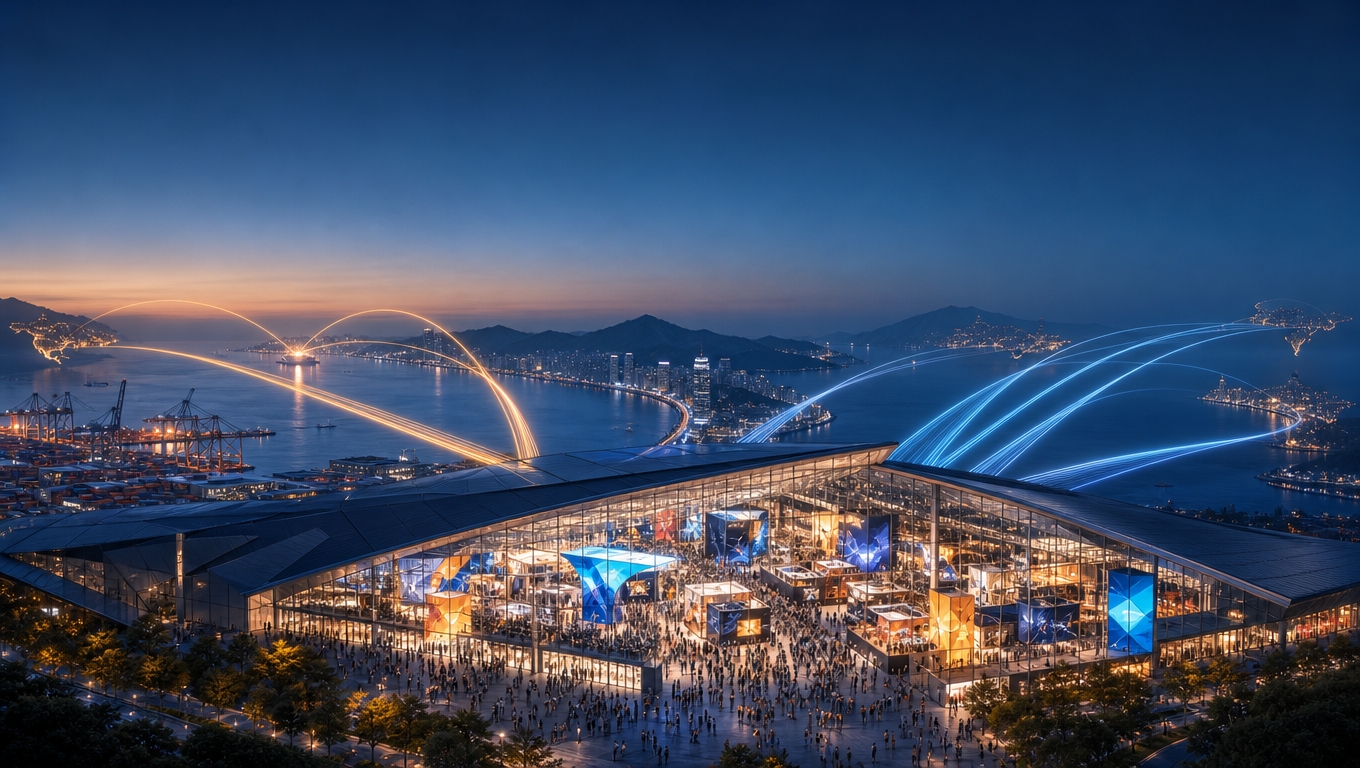
The floor plan for G-STAR, held each November at BEXCO in Busan, already says a lot about where Korea’s game industry is heading. Several of the big studios Korean players know best are missing, while Chinese and Japanese companies have claimed prominent spots on the show floor. The event has not opened yet, but the list of companies that chose to meet visitors in Busan is settled. To understand this year’s show, it helps to look at the decisions made before that floor plan came out.
G-STAR has two sides: a consumer exhibition where the public plays games, and a business-to-business event where companies talk deals. This year the consumer show (BTC) runs from November 19 to 22, and the B2B event (BTB) from November 19 to 21. The change drawing attention is mostly in the consumer halls. Skipping a booth does not mean a company has cut ties with the event, but it does change the stage where studios meet players face to face.
It looks like a paradox when Korea’s biggest game show has fewer of Korea’s biggest game companies. Put the overseas push of Korean studios next to the Korea push of foreign studios, though, and a different explanation appears: companies are making different market bets about the same exhibition space. The path from last year’s giant booth to this year’s exhibitor list shows that G-STAR’s shift is about more than how one event is run.
From NCSoft’s giant booth to this year’s first list
Last year’s main sponsor was NCSoft. The company ran a 300-booth space and unveiled “Aion 2” there, a Korean heavyweight acting as both sponsor and anchor exhibitor. That is the comparison The Korea Times drew in its September 2 report. Who occupies the center of the hall decides which new games visitors see, and it also signals which industries the event wants to connect with.
When the first exhibitor list came out in August, major Korean studios were hard to find on it. The main sponsor this year is not a game developer at all but Wrtn Technologies, an artificial intelligence company promoting its AI storytelling platform “Crack.” It is the first time in G-STAR’s 22-year history that a non-game company has taken the main sponsor slot. The new sponsor, together with that thin early list, set off a debate about the show’s identity and about Korean studios’ commitment to it.
The organizing committee framed the change as widening the range of industries and audiences involved. Coverage of Korean studios focusing on overseas shows, on the other hand, raised concerns about G-STAR’s standing. The two are separate issues. Broadening sponsorship is the organizers’ strategy, while the absence of big Korean booths comes down to individual company decisions. At that point, which companies and content would be added later mattered more than any verdict based on the first list.
After Krafton and HoYoverse signed on
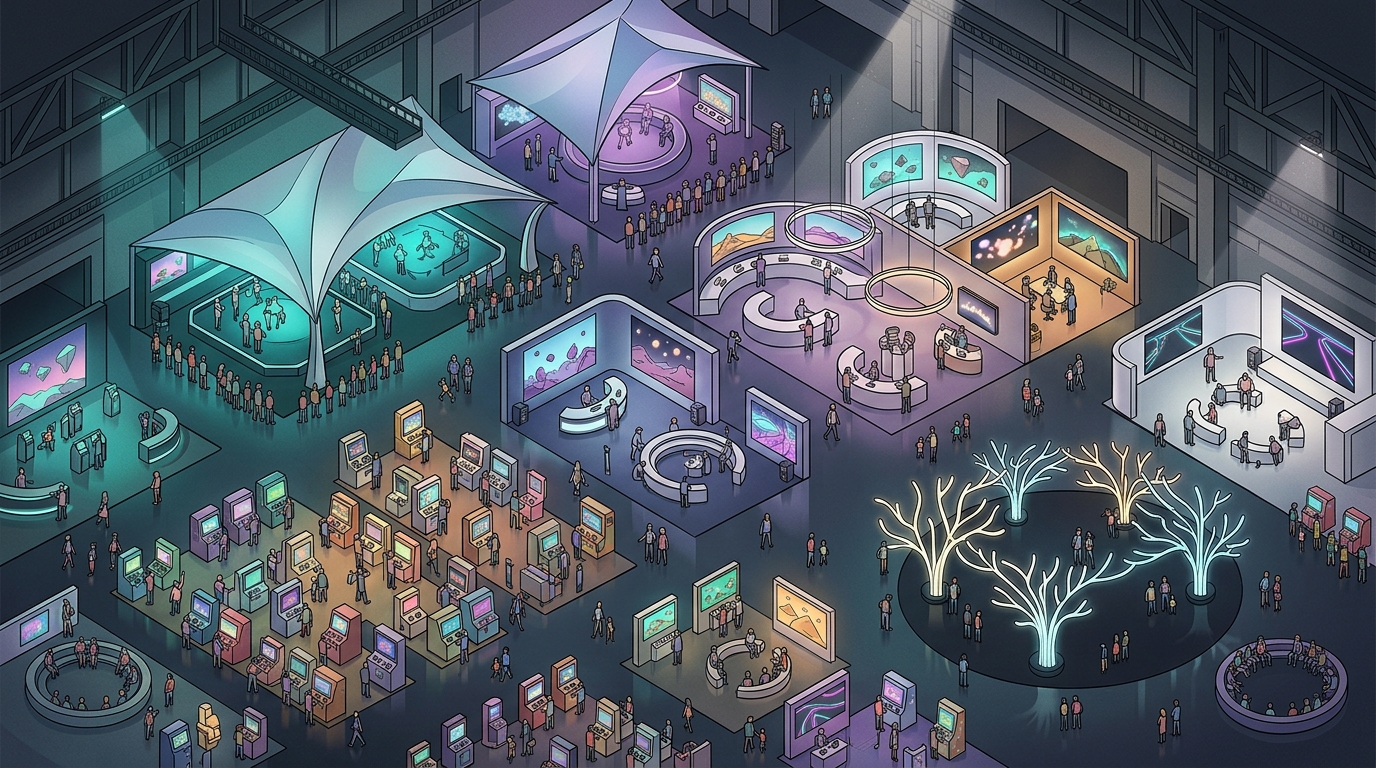
As the lineup filled in, the picture moved away from that first list. Krafton confirmed it will attend, making this its tenth straight G-STAR, and Webzen will also have a hall presence. So the show is not empty of major Korean names. Still, Nexon, Netmarble, NCSoft and Kakao Games will not run booths in the consumer halls. This year’s show floor holds both facts: new exhibitors arrived, and several familiar giants stayed away.
The return of Chinese developer HoYoverse is another big change. Back at G-STAR for the first time in four years, the company will take a 100-booth space in Hall 1. It plans events around “Zenless Zone Zero” and will present “Honkai: Nexus Anima” and “Petit Planet.” Fan events for an existing hit and introductions to new titles will run in the same space. For HoYoverse, it means regaining a large offline venue where it can meet Korean players directly.
NetEase Games and its subsidiary Joker Studio, Bilibili Games and Century Games are also exhibiting, with NetEase bringing “Yanyun.” From Japan, Sega is showing “Total War: Warhammer 40,000” and Koei Tecmo is bringing “Nioh 3.” Poland’s CD Projekt Red is joining with content tied to “The Witcher 3.” The growing Chinese presence stands out, but China alone does not explain this year’s shift. The show has more clearly become a place where many foreign studios pitch their games and brands to Korean visitors.
Two directions in the September 29 floor plan
The consumer-hall floor plan released by the organizers on September 29 made these changes concrete. According to The Herald Business, which tallied the exhibitors in an October 1 report, eight Chinese developers and publishers are taking part, close to the number of Korean exhibitors. Companies from Japan, the United States and Europe are on the plan too. Exhibitor counts are one slice of how the hall is put together. They say nothing about market share or sales rankings, but they do show how eager foreign companies are to reach Korean visitors.
A few weeks earlier, Korean studios turned out in force at the Tokyo Game Show in September. This year 127 Korean companies attended the event at Makuhari Messe, about 2.5 times as many as the year before. The big Korean names picked an overseas show as their main stage for new releases. Read the absence list in Busan alongside the attendance list in Tokyo, and the industry context is clear: Korean companies have not cut back on exhibitions, they are putting overseas players first.
The industry analysis reported by The Herald Business points to a change in how games get made. Development costs have risen to the point where the Korean market alone can hardly cover them, so more titles are designed from day one with global hits in mind. When that is the goal, the place where a game debuts follows the target market. Even for a game built in Korea, player reaction at an overseas show can matter more than reaction at home. Decisions about which shows to attend now reflect development and sales strategy.
Chinese studios see Korea as an overseas market
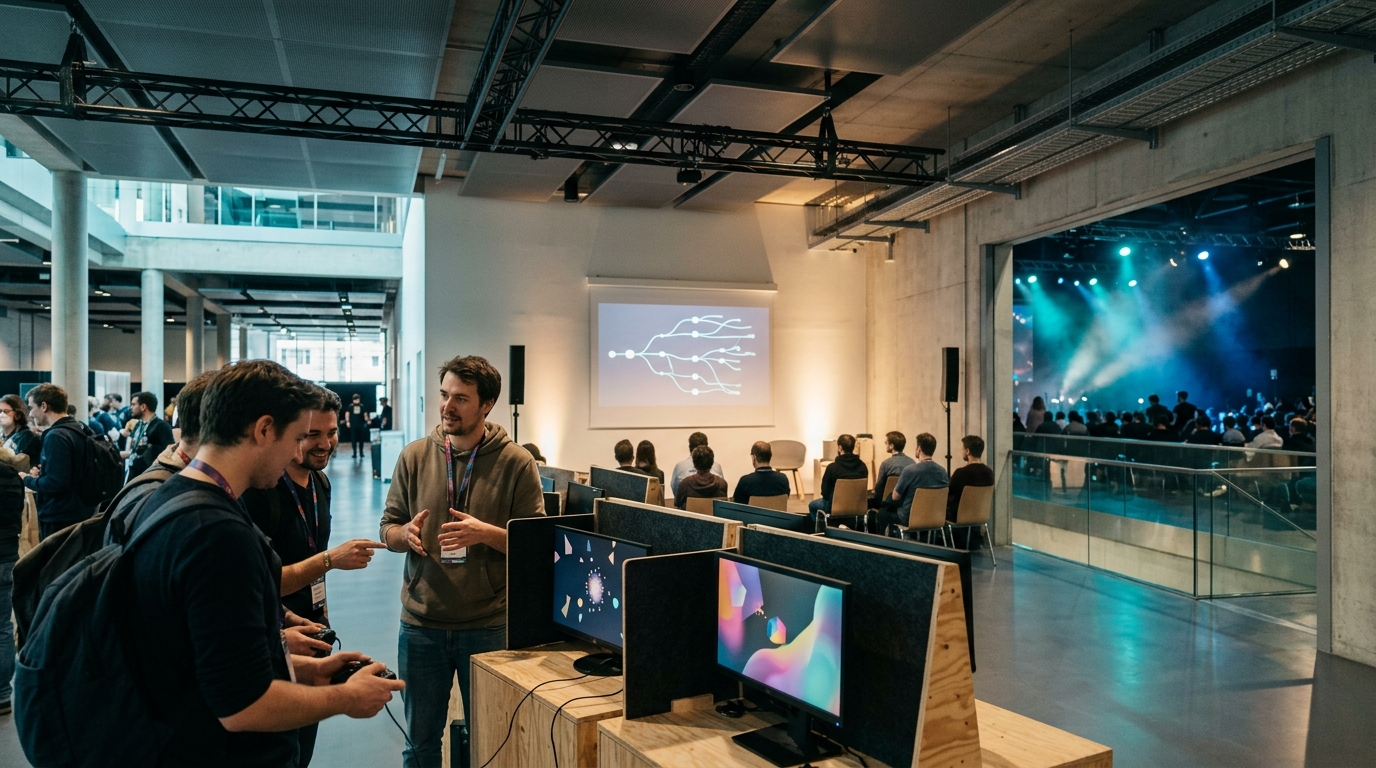
Chinese companies are moving in the opposite direction. Industry observers say that as competition at home has intensified, Chinese studios now treat Korea as a key overseas market and are widening their reach to players here. Tokyo plays the role of an overseas stage for Korean companies, and Busan can play that role for Chinese ones. The same global ambition shows up in two different ways: Korean studios concentrating on shows abroad, and Chinese studios expanding at G-STAR.
Another reason for the bigger Chinese presence is that Chinese games have found success in Korea beyond a few niche genres. That gives these companies more reason to introduce a range of titles to Korean visitors, not only to check in with existing fans. HoYoverse’s large booth and the number of Chinese developers and publishers attending at once fit that trend. Calling G-STAR a single country’s showcase would be wrong, though, since it leaves out the Japanese and European exhibitors and the Korean companies that are taking part.
The sponsor change deserves a separate look in the same light. Crack’s role as main sponsor brings an AI-based storytelling service into a game event to meet visitors. It does not replace a game developer’s booth, but it does widen the kinds of experiences the show covers. So G-STAR’s shift is better read by asking which companies are using which content to win players’ time, not only by counting exhibitors’ nationalities.
What the show offers beyond the big booths
The organizers have also expanded the indie game area. “Indie Showcase 2.0: GALAXY” will fill 250 booths with work from 106 developers, giving visitors a place to find games from many studios apart from the big-name launches. That is one reason the absence of major Korean companies cannot by itself define the show. Visitors will get the chance to play lesser-known games as well as visit the large booths of familiar publishers.
The game conference G-CON runs November 19 and 20 under the theme “narrative,” focusing on how games build and tell stories. The BEXCO Auditorium will host the “Overwatch Champions Series Asia Stage 3 Grand Finals” from November 20 to 22, the first major esports event in that space in three years. Beyond the consumer booths, the program is built to draw players through developer talks and live matches.
From NCSoft’s giant booth last year to the first list, the later additions and the final floor plan, this year’s sequence shows how G-STAR is changing. Korean companies are chasing hits abroad, and foreign companies are coming to Korean players. The question ahead goes beyond which country sends more exhibitors. What remains to be seen is whether the new lineup gives visitors enough to experience, and whether G-STAR can again become a meeting place companies want to choose.
Source: The Korea Times, September 2, 2026, https://www.koreatimes.co.kr/business/tech-science/20260902/g-star-loses-traction-as-korean-game-makers-turn-to-global-shows ; The Elec, September 30, 2026, https://www.thelec.kr/news/articleView.html?idxno=62939 ; The Herald Business, October 1, 2026, https://news.nate.com/view/20261001n37003 .