Korea has two new candidates in its ongoing campaign to get its traditions formally recognized by UNESCO. The Korea Heritage Service submitted nomination files on April 1 for two separate entries to UNESCO’s Representative List of the Intangible Cultural Heritage of Humanity: “Ginseng Culture: Knowledge, Skills, and Sociocultural Practices” and “Taekwondo: Training Culture of Korea’s Dojang Communities.”
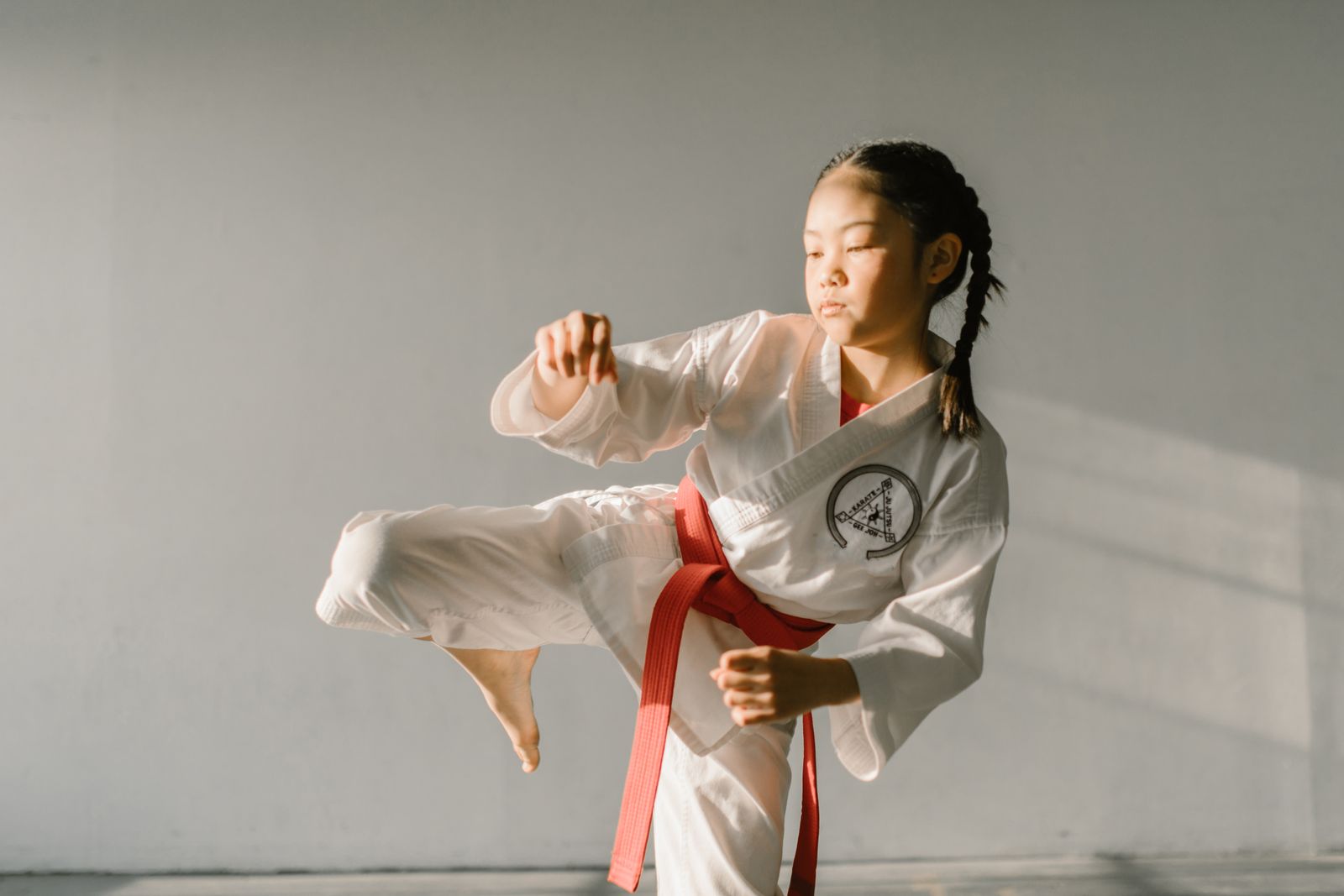
The ginseng nomination centers not on the plant itself but on the accumulated knowledge, cultivation techniques, and social customs that Koreans have built up around ginseng over centuries, positioning it as a living cultural practice rather than simply an agricultural product or medicinal ingredient known internationally as a health supplement. The taekwondo nomination takes a similarly specific angle: rather than nominating the martial art broadly, it focuses on the culture of training within Korea’s dojang, the studio-based communities where students practice, learn discipline, and build relationships around the sport, framing taekwondo’s cultural significance through its social infrastructure rather than its competitive or self-defense applications alone.
Countries are permitted to submit new nominations to this particular UNESCO list only once every two years, so this April 1 submission represents Korea’s current window of opportunity. A decision on both nominations is expected at the 21st session of UNESCO’s Intergovernmental Committee for the Safeguarding of the Intangible Cultural Heritage, scheduled for November 2026 in Xiamen, China.
These aren’t Korea’s only heritage nominations currently working through the UNESCO pipeline. A separate submission covering “Hanji Culture,” the traditional craft of Korean mulberry-paper making, was filed back in March 2024 and is still awaiting a decision, expected this coming December. If successful, both this year’s and the pending Hanji nomination would add to Korea’s already substantial list of UNESCO-recognized intangible heritage, which includes past inscriptions like Pansori narrative singing, Kimjang (the tradition of making and sharing kimchi), and Korean traditional wrestling, Ssireum.
For Korea, UNESCO recognition carries weight beyond ceremonial prestige. Inscriptions have historically boosted international visibility and tourism interest around the recognized traditions, and Korean cultural agencies have increasingly treated the nomination process itself as a tool for documenting and preserving practices that might otherwise fade as younger generations engage with them differently than their predecessors did.
Source: Korea Heritage Service (formerly Cultural Heritage Administration) nomination announcement, April 2026.