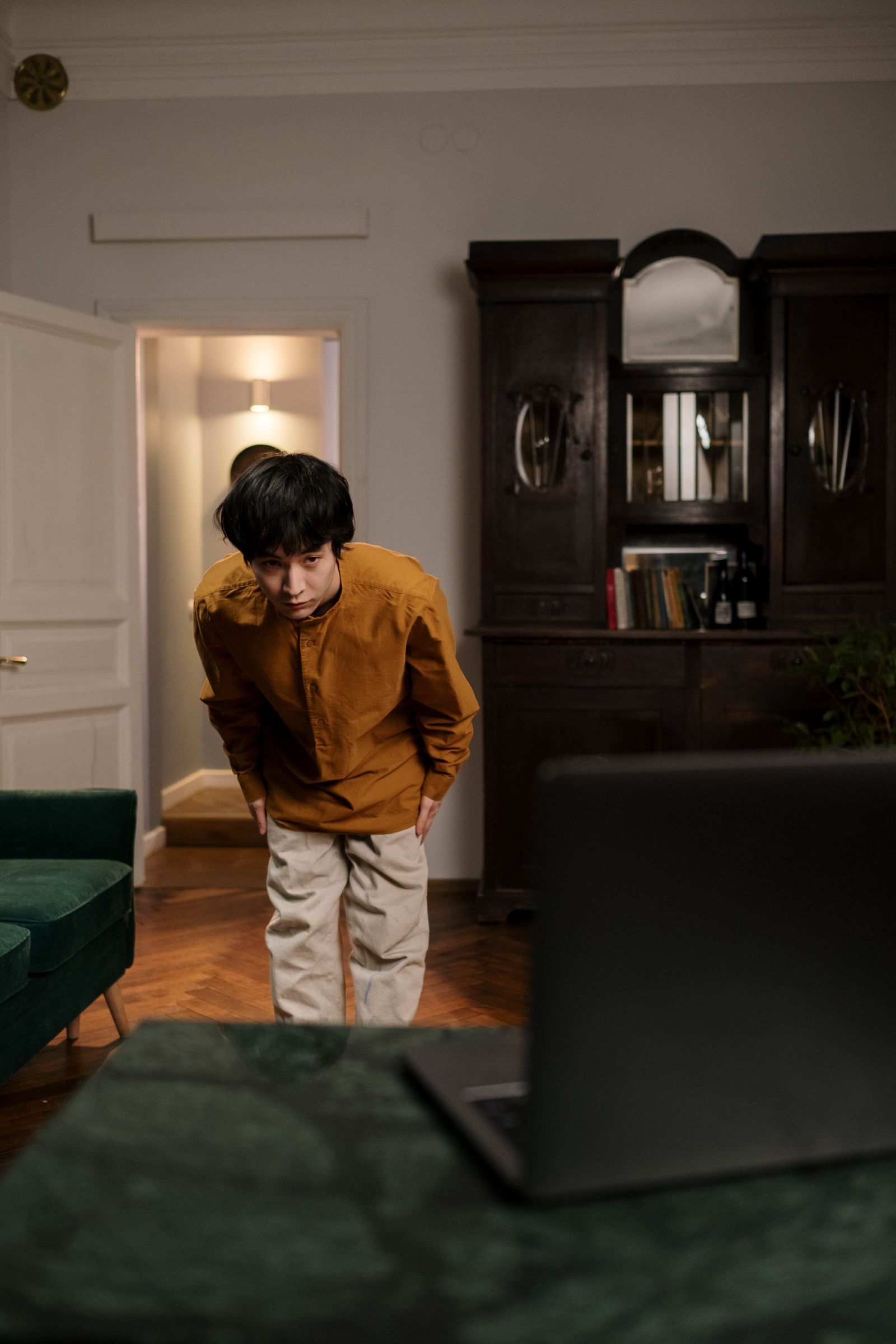
For Korean-language learners and long-term foreign residents alike, one of the more persistently challenging aspects of daily life in Korea is navigating jondaemal (존댓말, formal/honorific speech) versus banmal (반말, casual speech) — a distinction that governs not just vocabulary and verb endings but broader social dynamics around age, hierarchy, and relationship familiarity in nearly every interaction.
The basic mechanics are relatively learnable: formal speech is the safe default with strangers, elders, service staff, and workplace superiors, while casual speech is reserved for close friends of similar age or younger family members, typically only after an explicit or implicitly understood transition point in the relationship. What trips up many learners is less the grammar itself than the social calculus of determining age and status quickly enough to choose correctly in the moment.
Age-checking — directly or indirectly establishing someone’s birth year early in a new relationship — remains a common, functional practice specifically because it resolves the jondaemal/banmal question efficiently, a custom that can initially feel intrusive to foreigners from cultures where asking age is considered impolite, but which most Koreans understand as practical rather than nosy.
The system has shown some signs of loosening in specific contexts, particularly among younger Koreans in more casual startup or creative-industry workplaces experimenting with flatter internal speech norms, but the broader default — formal speech until an explicit shift is signaled — remains firmly in place across most everyday interactions, from convenience-store transactions to first meetings with new colleagues.
For visitors and new residents, defaulting consistently to formal speech remains the safest strategy in nearly all situations; the social cost of being overly formal is minimal, while switching to casual speech prematurely with the wrong person can read as genuinely disrespectful regardless of a foreigner’s limited Korean-language proficiency being taken into account.
Source: Korean language and social-hierarchy etiquette explainer coverage, jondaemal/banmal usage norms, 2026.