A growing subset of young Koreans are opting out of traditional long-term housing commitments in favor of shorter-term, more flexible residency arrangements — staying in a given city or neighborhood for a period of months rather than years, a pattern lifestyle trend researchers describe as normalizing “체류” (temporary stay) over “이주” (permanent relocation) as a default mode of urban living.
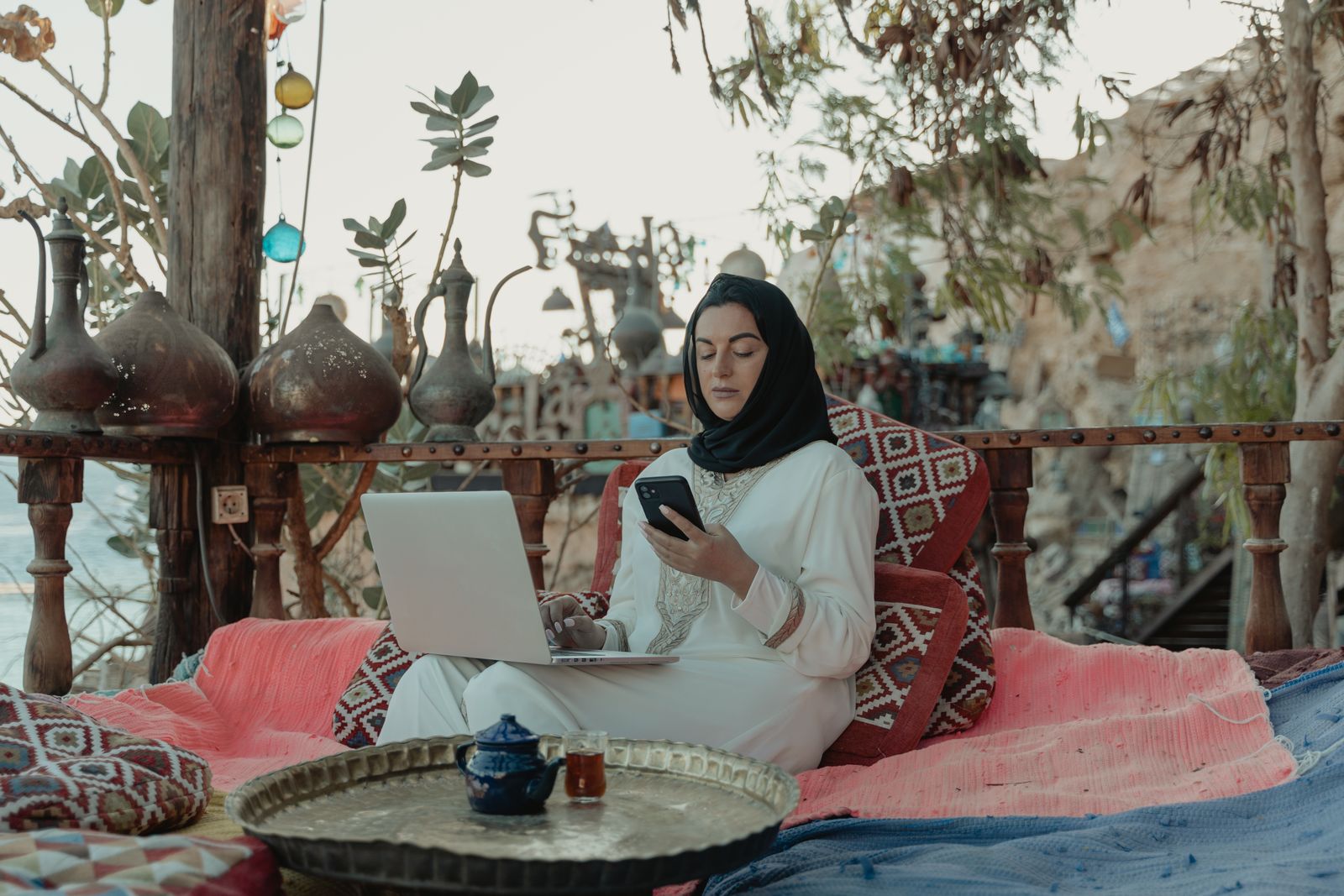
The trend spans several overlapping groups: domestic digital nomads working remotely who rotate between cities seeking variety or lower living costs, project-based professionals whose work naturally involves shifting locations, and exchange students or short-program participants who increasingly treat their temporary host city as worth deeply experiencing rather than simply passing through — all converging on similar short-term housing and lifestyle needs.
Korea’s housing market has historically been structured around either long-term jeonse (lump-sum deposit) leases or standard year-plus monthly rental contracts, both poorly suited to residents seeking multi-month rather than multi-year commitments — a mismatch that has fueled growth in shorter-term housing platforms and co-living operators specifically designed around flexible, month-to-month arrangements.
The trend intersects with Korea’s broader “1.5 household” and lifestyle-infrastructure-driven housing preferences reshaping young adult living patterns this year, suggesting a cumulative shift away from the rigid, decades-long housing tenure model that characterized previous generations’ relationship to where and how they lived.
Housing policy researchers note that while short-term nomadic residency remains a minority pattern relative to Korea’s overall housing market, its growth has prompted early discussion about whether existing tenant-protection and housing-support policies, largely designed around longer-term tenancy assumptions, adequately serve this more mobile younger demographic.
Source: Korean youth lifestyle and housing trend research on short-term, flexible residency patterns, 2026.