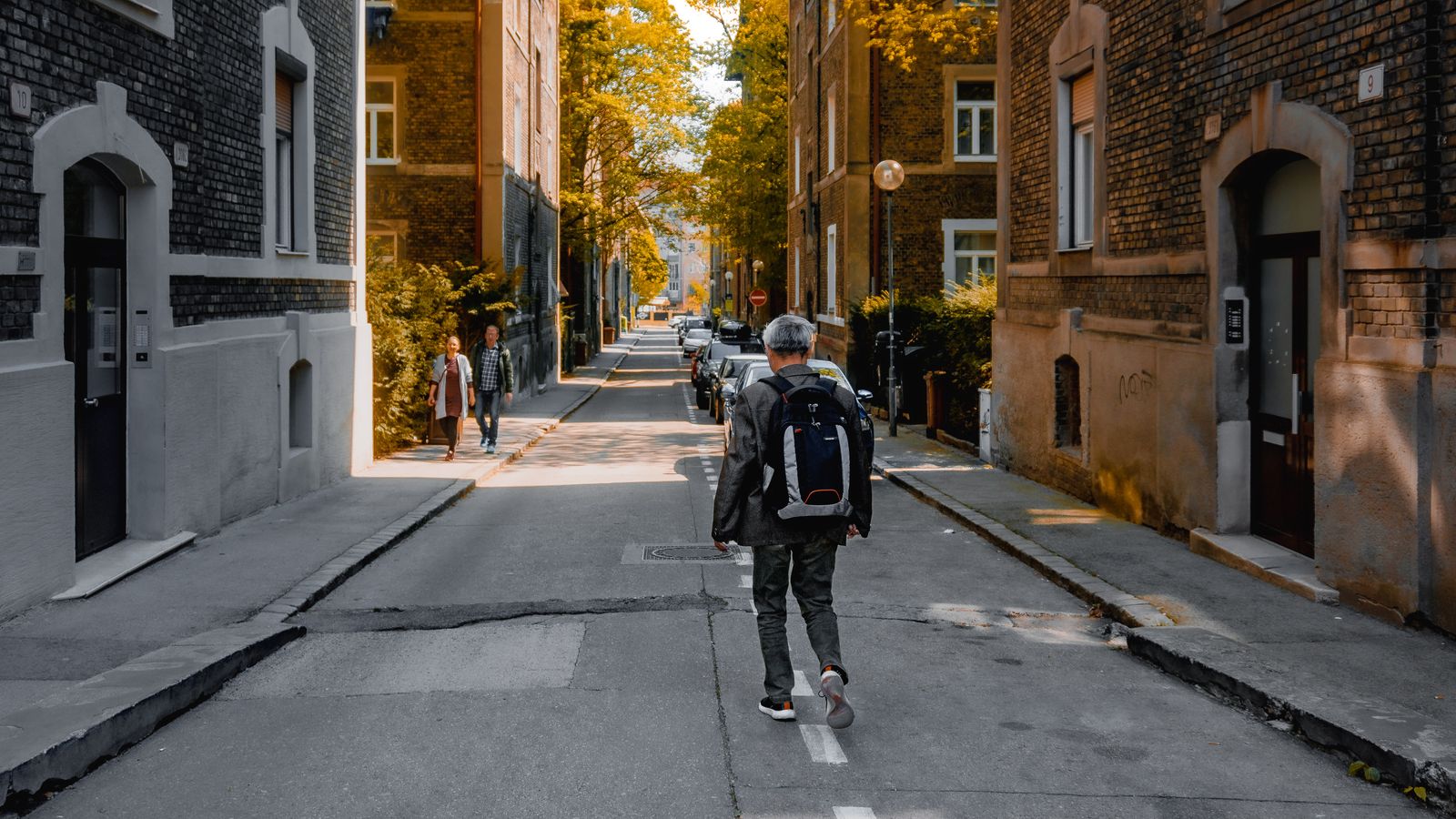
A quiet but significant shift is underway in how young Korean renters and homebuyers evaluate where to live: proximity to a subway station — long the single dominant criterion in Korean real estate decision-making — is increasingly sharing priority with what lifestyle trend researchers call “생활형 문화 인프라” (everyday cultural infrastructure), meaning walkable access to good cafes, libraries, bookstores, and green space.
The shift reflects a broader change in how young single-person households think about their living environment: rather than optimizing purely for commute efficiency, growing numbers of young Koreans are prioritizing neighborhoods that support a self-directed daily routine they genuinely enjoy — a preference trend researchers link to the broader normalization of remote and hybrid work reducing the practical necessity of minimizing commute time above all else.
Real estate and lifestyle industry data backing the trend shows young renters increasingly researching a neighborhood’s cafe density and quality, bookstore or library presence, and general walkability before finalizing a housing decision — criteria that would have been considered secondary luxuries in earlier housing-decision frameworks dominated almost entirely by transit access and price.
The trend has practical implications for how Korean real estate platforms and property listings are evolving, with some services beginning to surface neighborhood lifestyle-amenity data more prominently alongside traditional transit-distance metrics, catering to a demographic willing to trade some commute convenience for a neighborhood that better matches their daily lifestyle preferences.
Urban planners tracking the shift note it may gradually redistribute housing demand toward previously overlooked neighborhoods that lack prime subway access but offer strong existing cultural and retail infrastructure, a potential long-term influence on Seoul’s residential geography beyond the traditional transit-proximity hierarchy that has shaped the city’s real estate values for decades.
Source: Korean youth housing and lifestyle trend research, 2026, on “생활형 문화 인프라” neighborhood preferences.