
Table of Contents
Just because silver clothes are everywhere doesn’t mean it’s all futurism
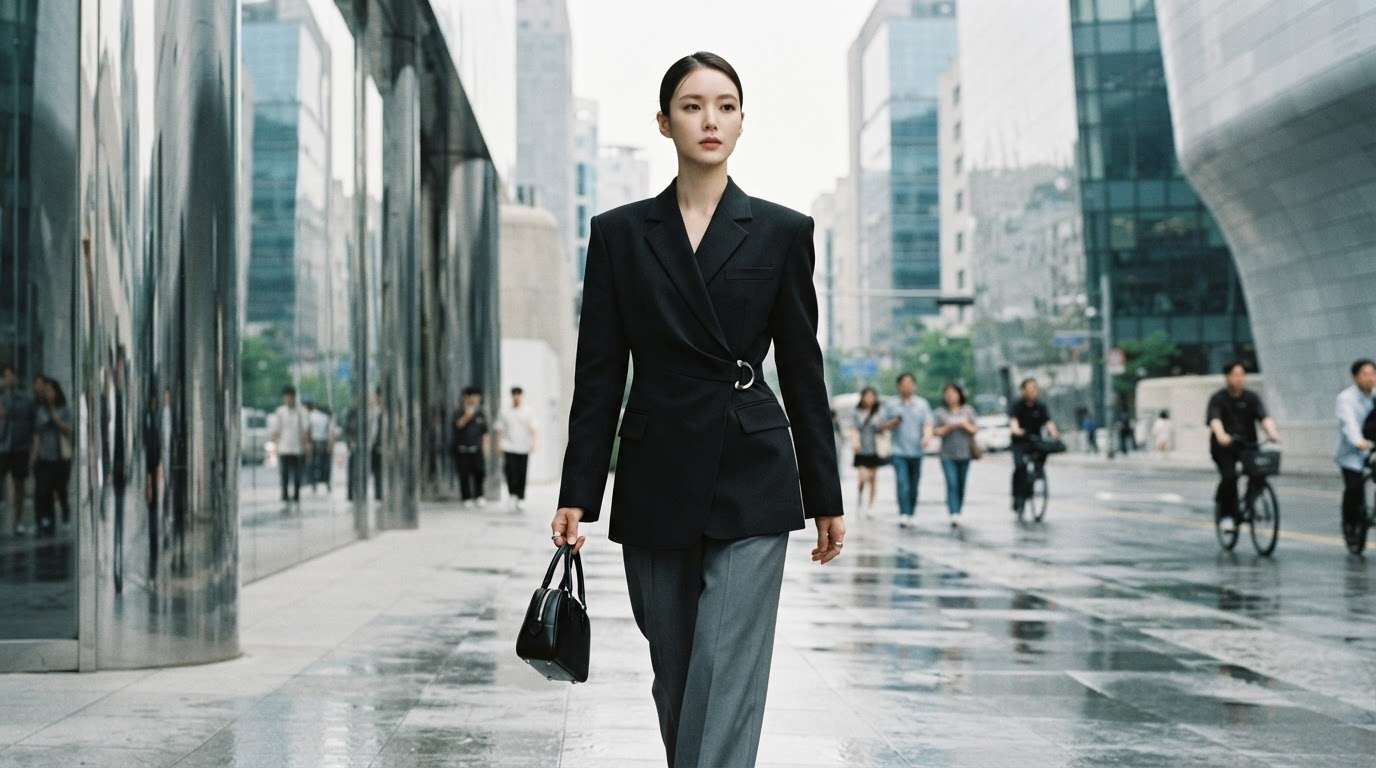
When talking about Seoul Fashion Week’s 2026 S/S season, the words ‘metallic’ and ‘futuristic’ kept popping up. That’s because silver tones, chrome textures, reflective surfaces, and structured silhouettes stood out on both the runway and street style. But if you think futuristic fashion is just about ‘dressing like an alien,’ you’re missing the point. This trend is more about expressing today’s anxieties and hopes through unfamiliar materials.
Futurism in fashion comes and goes in cycles. The faster technology changes or the more uncertain society feels, the more people look to clothes for a glimpse of a new era. The futurism at Seoul Fashion Week 2026 is no exception—it’s tied to current questions about AI, the climate crisis, digital culture, and overconsumption. That shiny surface might look flashy, but underneath it all, there’s a real question: ‘What kind of future do we want to wear?’
One metallic piece is easier than a head-to-toe look
Metallic fabrics can be striking on the runway but feel overwhelming in daily life. If you’re trying them for the first time, start with small accents rather than a full silver outfit. A silver bag, metallic shoes, a thin belt, or a hairpin—just one item can shift your whole vibe.
The easiest combo is pairing them with neutrals like black, gray, or white. A black jacket with a silver bag, or a white shirt and jeans with metallic loafers, looks modern without going overboard. On the flip side, layering multiple metallic pieces might look amazing under stage lights but can draw too much attention in broad daylight. If you’re heading to work or school—places you’ll be for hours—check how reflective the material is first.
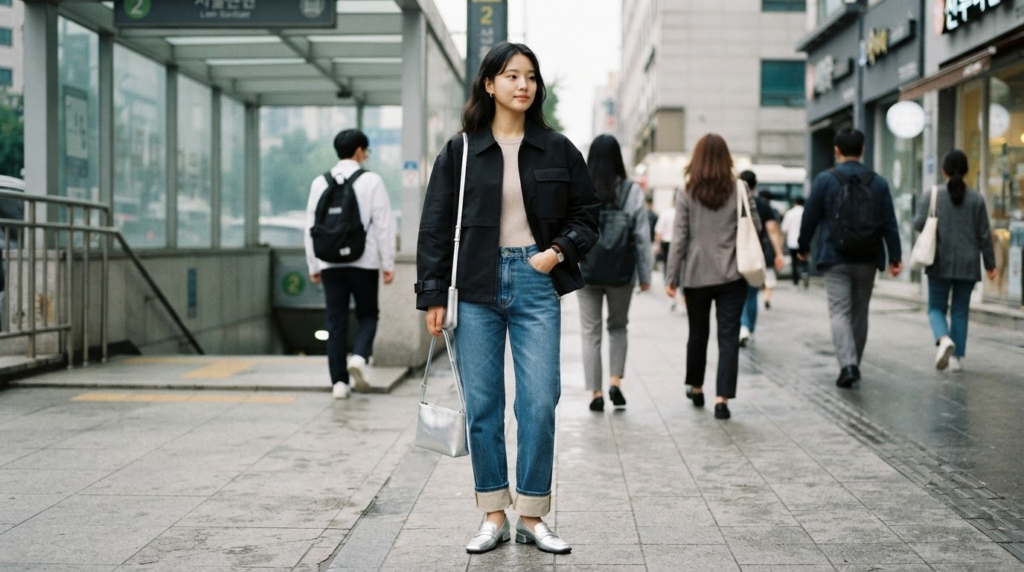
Another common misconception is that metallic has to be cold and stiff. In reality, there are plenty of comfy options like silver-toned knits, low-shine satin, or soft gray leather. What matters isn’t the material itself but how it fits into your overall proportions.
The real keys to futurism are silhouette and function
Beyond metallics, futuristic looks often feature structured shoulders, asymmetrical cuts, utility pockets, and lightweight technical fabrics. These elements make clothes feel more like tools that help you move than just decoration. That’s why big pockets, adjustable straps, and wrinkle-resistant materials are gaining popularity.
But just because something looks functional doesn’t mean it actually is. Lots of pockets might throw off the garment’s balance when you fill them, or long straps could get in the way when you’re moving. If you’re shopping online, don’t just look at styling photos—check the fabric composition, length, and care instructions. Coated metallic materials, in particular, can be sensitive to friction and heat.
Price is another practical factor. Runway futurism is an experiment in new materials and structures, but that doesn’t mean you have to splurge on designer pieces. Combining a black jacket you already own with cargo pants and silver accessories can easily create a similar mood.
Why even packaging has gone ‘cute future’
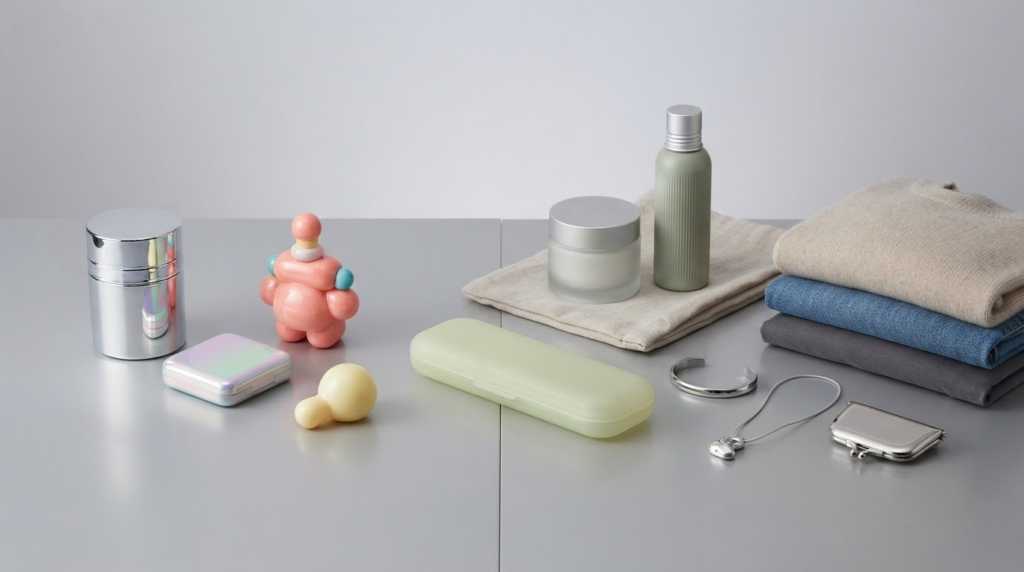
One interesting part of this trend isn’t just about clothes. Beauty and fashion brands are using chrome, holograms, toy-like colors, and exaggerated graphics on their product packaging. You could call it ‘playful packaging.’ It shows that futurism isn’t stuck in a cold, techy image anymore—it’s shifting toward fun and collectibility.
From a brand’s perspective, a package that’s memorable in a single photo is a powerful marketing tool. But as a consumer, you need to separate the cuteness of the packaging from whether you actually need the product. Buying an eyeshadow in a pretty limited-edition case that doesn’t match your skin tone means it’ll likely sit unused. Plus, packaging with lots of plastic embellishments can be hard to recycle.
Now that both fashion and beauty are talking about the future, the most practical question is this: Can you use this product for a long time? Is the color and shape something you’d reach for even after the trend fades? It’d be great if futurism became a reason to choose items you’ll love for years, not just a way to speed up consumption.
Pick the future that fits your closet
The metallics and futurism Seoul Fashion Week showed us aren’t demanding a bold costume. Instead, they’re more like a nudge to connect what you already own in new ways. Start by adding silver jewelry to your denim, layering a utility vest over a basic shirt, or carrying a small chrome bag.
The most important thing isn’t to copy a look from a photo. For it to be your real style, it has to fit the streets you walk, your commute, the weather, and your budget. If shiny materials feel unfamiliar, try them on a small scale—a bag or nail art. And before you buy, ask yourself one more time: ‘Will I still wear this next season?’ Because fashion that mirrors the future works best when it’s comfortable in your everyday life.
Sources: Seoul Metropolitan Government, “Seoul Fashion Week 2026 S/S to Celebrate 25th Anniversary,” August 2025; Seoul Fashion Week, 2026 S/S season materials.