
Table of Contents
I Stopped for a Second Before Swiping
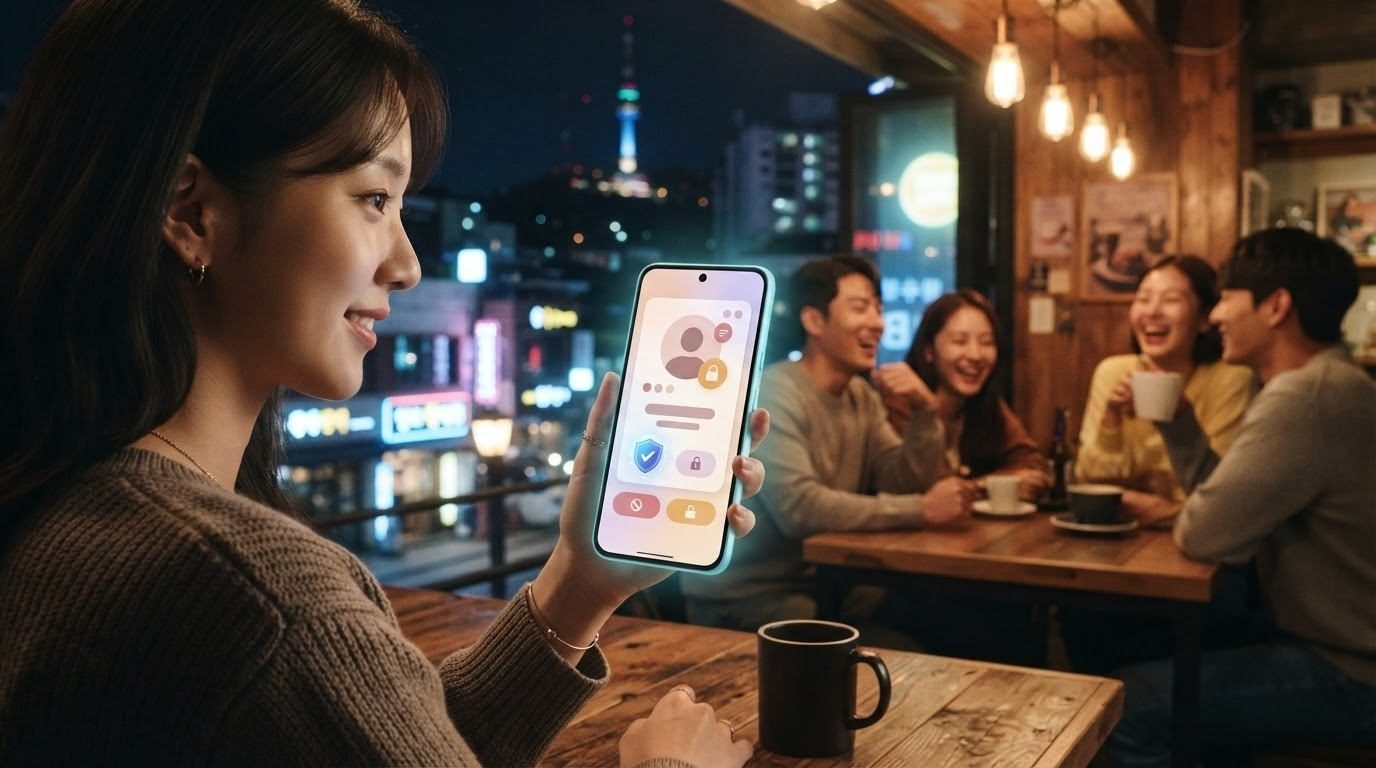
When you first download a dating app, the numbers usually hit you first. How many people liked your profile, how many new matches, how many users within a few kilometers. Getting a bunch of matches can feel good, I get it. But if you’ve actually started conversations, you know: ten matches can mean zero replies, or you can’t tell if the photos are real, or someone’s already asking to move to another messenger way too fast. Numbers lose their meaning pretty quick.
So lately, people are shifting how they pick a dating app—from ‘how many users are there’ to ‘are these people actually trustworthy?’ and ‘if something goes wrong, can I protect myself?’ This is especially true in Korea. With work, school, and friend circles being so tight, the idea of anyone you know seeing your profile can feel like a burden. A lot of people now look for a balance: a space to find a date, but one where you don’t have to give away too much personal info.
If you’re a foreigner staying in Korea for a bit or studying here, you’ve got one more thing to think about. Meeting strangers in an unfamiliar city—so checking which apps are actually popular here, whether the reporting process is available in English, that kind of prep can put your mind at ease. Rather than just looking at app store ratings or download numbers, I’d recommend reading real user reviews and seeing how often safety issues come up.
Verification Badges Are Small but Important Signals
The first thing to check is identity verification. Photo verification, video selfie verification—stuff that confirms the person in the profile pic is actually the user. It’s not magic that eliminates all risk. Even verified people can be rude, and they can lie in conversations. But it’s a solid first step to filter out stolen photos, auto-generated accounts, or people pretending to be someone else from the start.
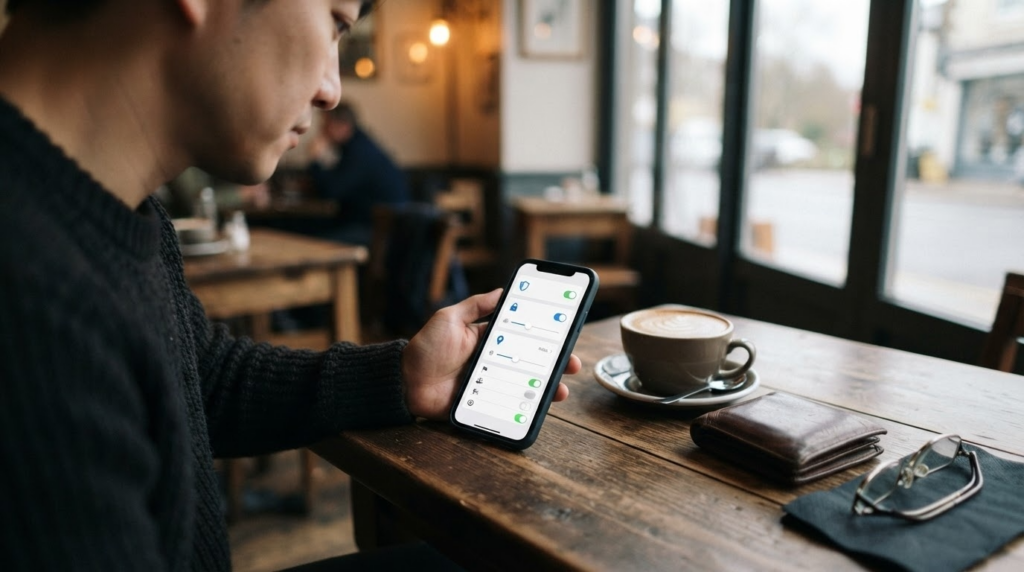
Before you sign up, don’t just read the app description. Actually look at the interface and see how visible verified profiles are. If verification is optional, it matters how many users actually bother with it. Also check what kind of verification it is, how re-verification works, and what happens when you report a suspicious account. Anyone can say ‘safe dating,’ but you can see for yourself if the verification and reporting features are easy to find.
Video selfie verification is more reliable than static photo checks because it asks you to do specific movements in real time, filtering out photo theft or deepfakes. But just remember: a badge doesn’t guarantee someone’s personality or intentions. Keep that in mind.
Safety Features Shouldn’t Be Paid Extras
Blocking, reporting, photo verification, basic privacy protection—these aren’t add-ons for a dating app. They’re basic gear. In a 2024 survey by Tinder targeting Korean Gen Z users (ages 18–26), about 68% said safety features are important in online dating. But here’s the interesting part: 40.4% of respondents said they weren’t sure if their current or past service had safety features, and 35.5% knew they existed but didn’t know how to use them. That’s a big gap between thinking safety matters and actually using those features. And with AI-generated photos and sophisticated fake accounts on the rise, closing that gap is getting more important.
Especially try tapping the report button—just to see where it is. You don’t have to complete a report, but it helps to know how many menu layers you’d have to go through if something happens. Also check if a blocked person can still see your profile, what happens to chat logs and photos, and whether there’s a customer support channel. If safety features are buried deep in settings or locked behind a paid subscription, you might want to think twice.
Some apps have automatic alerts for risky words in conversations (like payment requests or money talk). You can find out if this feature exists and works by checking reviews or official help pages—worth a quick search before you join.
Privacy Is a Real Issue in Korea
In Korea, a lot of users worry about accidentally running into someone they know who also uses the app. So features like contact blocking, secret mode, or showing your profile only to people you’ve liked become pretty important. Check if you have to link your phone number or social media accounts, if you need to use your real name, and if there’s any protection when someone screenshots your photos. Different apps offer different levels, so it’s smart to skim the terms and privacy policy before signing up.
Also be careful with your photos. Avoid shots that give away too much: your office building, your regular neighborhood, license plates, the view from your window. You don’t need to share your Instagram handle or KakaoTalk ID right away. Chat inside the app for a few days, get a sense of who the person is, then move elsewhere. If you rush to an external messenger, you lose the app’s reporting, blocking, and chat protection features.
Location settings matter too. See if the app lets you show a general area instead of exact distance, or if you can use it with GPS off. That reduces the risk of your actual address being exposed. If the thought of a coworker or acquaintance stumbling upon your profile makes you uncomfortable, look for a feature that hides you from specific people.
Good Matches Show Up in Conversation, Not Counts
At the end of the day, the point of a dating app isn’t to collect profiles. It’s to start a conversation where both people feel comfortable and respected. So when you’re choosing an app, see if you can indicate your relationship intentions—whether you’re looking for something serious, want to take it slow, or just want casual dates. Being able to say that upfront reduces misunderstandings. Honestly, it’s way less exhausting to match with one person who gets where you’re coming from than to get a bunch of random matches who want different things.
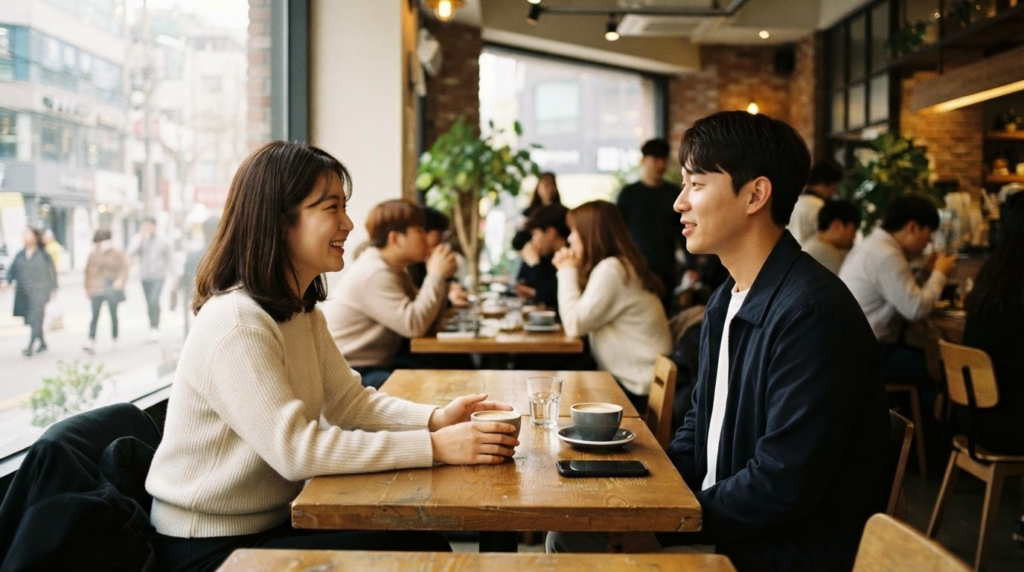
If you do decide to meet, pick a public place like a busy café or restaurant. Let a friend know where you’re going and when. If you’re drinking, keep an eye on your glass. Plan your way home in advance. If the other person makes you uncomfortable or ignores your boundaries, you don’t have to stick around just to be polite.
Korean dating culture is kind of in transition. There’s the traditional preference for blind dates arranged through mutual acquaintances—vetted meetings—and then there’s the freedom of app-based dating. So even when you meet someone from an app, people tend to naturally go through steps to build trust. Early on, you can usually tell how serious someone is about the relationship just by their response time and the way they ask questions.
A good dating app isn’t the one that shows you the most people. It’s the one that gives you options to get out of unwanted situations. Next time you’re picking an app, check verification, reporting, blocking, and privacy settings before you even look at the match count. Those few minutes of checking can lead to a much more comfortable date.
Source: Tinder Korea, press release and survey results on Korean Gen Z regarding ‘Safe Dating Guide,’ 2024.