Table of Contents
The K-Beauty Shelf at Sephora Brazil Just Changed
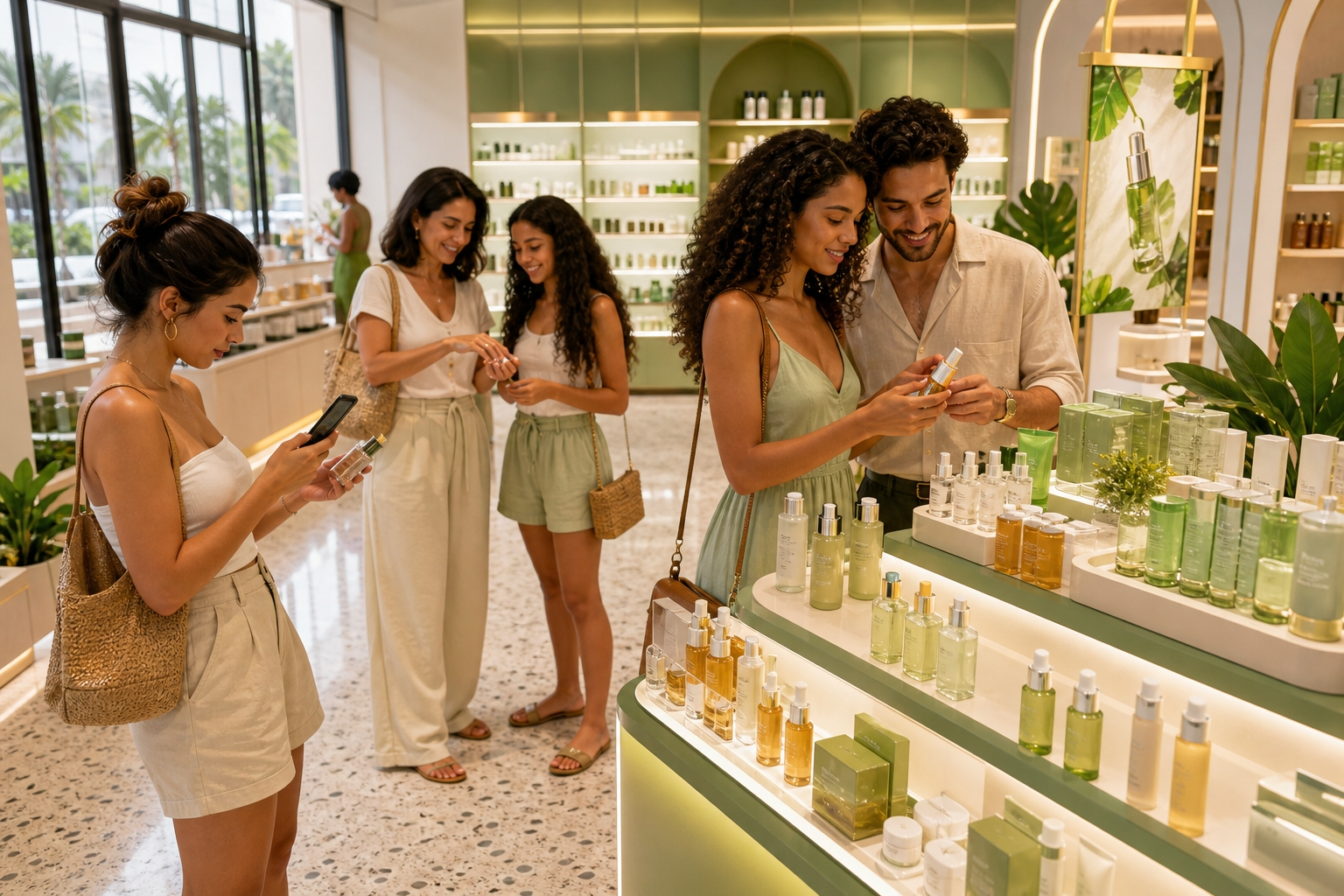
Open the “Korean Beauty” page on the Sephora Brasil website now and you’ll find COSRX, SKIN1004, and Beauty of Joseon together. COSRX arrived first, in May 2026, and SKIN1004 and Beauty of Joseon began selling through Sephora Brazil’s online and offline channels in July. This is a different kind of shift from one or two viral products landing on an overseas shopping site — it means local consumers can now compare brands and buy officially distributed products at a major beauty retailer they already trust.
Brazil is Latin America’s largest consumer market, with a population of over 210 million, and its cosmetics market is estimated to rank among the world’s top three, behind only the U.S. and China. Industry reporting citing figures related to the Korea Health Industry Development Institute puts Brazil’s cosmetics market at roughly US$34 billion. That’s why K-beauty brands that grew in the U.S. and Europe now see Brazil as their next base.
Getting into Sephora doesn’t guarantee every brand’s success. But being able to physically try products locally, check official prices and ingredient information, and buy within Sephora’s own shipping, returns, and membership system matters. It’s a signal that K-beauty is moving from the discovery stage of overseas direct-purchase shopping into an everyday option at local retail.
The Three Brands Each Brought a Different Skin Concern
COSRX’s flagship product is the “Advanced Snail 96 Mucin Power Essence.” A hydrating essence built around 96% snail mucin filtrate, it sells at Sephora Brazil for R$323 for 100mL, roughly US$60. Converted to won, that’s around 84,000 won, though the exchange rate will shift that figure — treat it as a rough reference only. Compared with Korean retail pricing, it can feel steep, but the price reflects local taxes, logistics, and official distribution costs.
Snail mucin isn’t literally snail slime applied directly — it refers to the mucin filtrate refined for cosmetic use. It can work well for people who like a hydrating, slippery texture. That said, if you have a snail allergy or have experienced itching after using the product, do a patch test first. Also steer clear of exaggerated claims like “snail ingredients erase acne scars” — moisturizing products can help keep skin comfortable, but that’s a different territory from scar treatment.
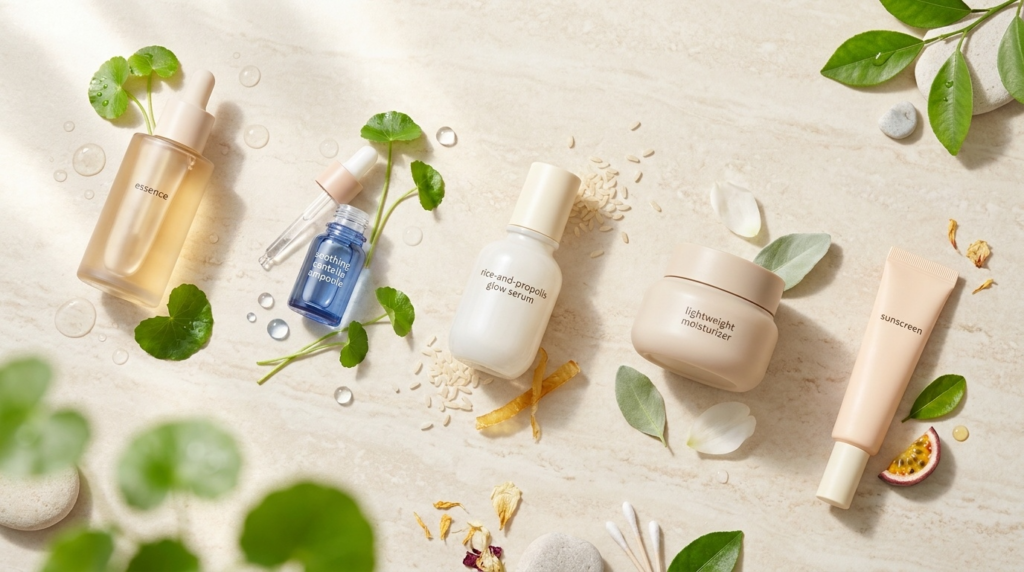
SKIN1004 leads with Madagascar Centella asiatica, the “cica” ingredient widely known in Korea as a calming, soothing staple. Sephora Brazil carries the brand’s ampoules, toners, creams, and sun care. If you’re someone who reaches for something light and hydrating rather than heavy and oily when your skin gets irritated, it’s worth comparing the SKIN1004 line.
Beauty of Joseon Needs to Be Explained Through Feel, Not “Herbal Medicine”
Beauty of Joseon draws inspiration from traditional Korean aesthetics and hanbang (herbal-medicine-inspired) ingredients. But explaining it to overseas consumers as simply “old-fashioned cosmetics” can be misleading. The actual products are skincare built with modern formulations around ingredients like rice, ginseng, propolis, and niacinamide. The traditional imagery is the brand’s story; the buying decision should be based on today’s information — full ingredient lists, formulation, and SPF ratings.
The “Glow Serum: Propolis + Niacinamide” sold at Sephora Brazil runs R$270, about US$50, or around 70,000 won. Niacinamide is a vitamin B3 derivative widely used in products for skin-barrier support and tone management. Propolis is derived from the resinous substance bees produce. If you have an allergy or sensitivity to bee-derived ingredients, check the ingredient list especially carefully.
The “Dynasty Cream” runs R$324 at Sephora Brazil, about US$60, or around 84,000 won. On price alone, that can feel like more of a stretch than buying it in Korea. But the advantage of a product sold officially at a local retailer is that authenticity and distribution history are easier to verify. If you can confirm the seller, size, and return policy on the Sephora page, that can bring more peace of mind than an overly cheap parallel-import product.
Sephora Is Both a Store and a Gateway to Trust
K-beauty’s task in Brazil is to move past the line “Korean cosmetics are trending.” Brands need to give consumers a reason to repurchase in a market with a different climate, lifestyle, UV exposure, skin concerns, and price sensitivity. Much of Brazil has hot weather and strong UV exposure, so plenty of consumers gravitate toward sunscreens that feel less sticky and lighter, hydrating formulas. That said, it’s a mistake to assume every Brazilian consumer’s skin is the same.
Sephora Brazil doesn’t introduce K-beauty through a single trend like “glass skin.” The site explains centella, green tea, niacinamide, and snail mucin using concern-specific language: hydration, skin barrier, oil control. That points to an important shift — K-beauty isn’t being consumed just as a country name or a cute package anymore; it’s being translated for local customers into the language of ingredients and routines.
Brands have homework of their own, too. They need Portuguese-language ingredient explanations, labeling that meets local regulations, content that accounts for a range of skin tones and climates, and steady inventory. A product going briefly viral in a video is a completely different matter from it being repurchased at a Sephora counter. In the Brazilian market, the real contest may be decided less by who gets on shelves first and more by who earns the second purchase.
If You’re Picking K-Beauty in Brazil, Start Here
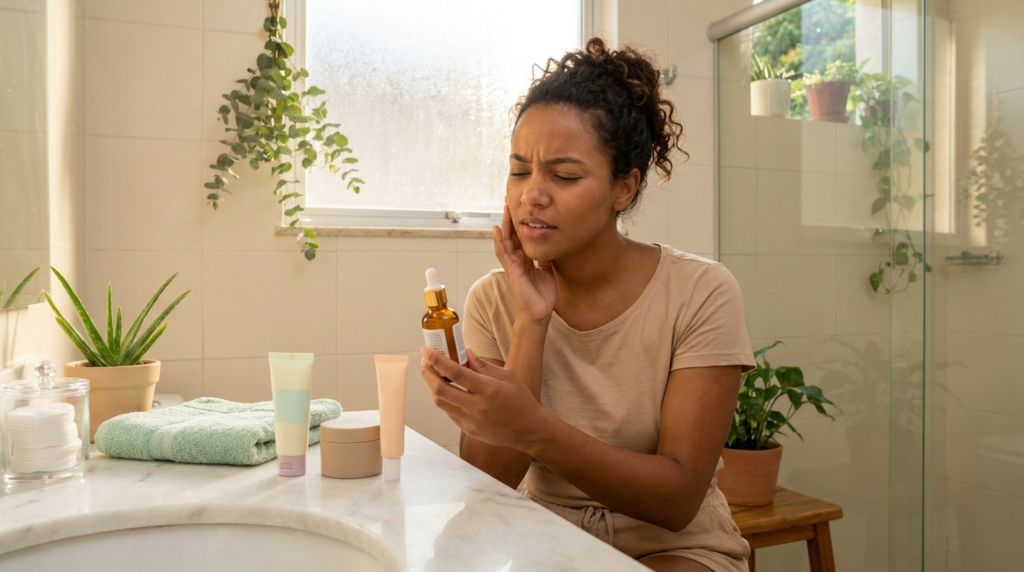
If dryness and tightness are your concern, try a hydration-focused product first, like COSRX’s snail essence. If redness and sensitivity make you want to simplify your routine, consider picking just a toner or ampoule from SKIN1004’s centella line. If you’re interested in glow and texture care, Beauty of Joseon’s serums are worth a look — but check first whether propolis or fragrance ingredients might not agree with you.
You don’t need to follow a 10-step routine from day one. It’s better to get the basics down — cleanser, moisturizer, sunscreen — and then add just one serum or essence. In hot weather especially, layering too many products can lead to pilling or a heavy, stuffy feeling. Add one new product at a time, and watch how your skin responds for at least one to two weeks before deciding on the next.
COSRX, SKIN1004, and Beauty of Joseon landing at Sephora Brazil is welcome news — K-beauty just became easier to discover in South America. But the best shopping doesn’t start with a nationality or a trend; it starts with what your own skin needs. If you find all three brands together on a shelf, choose based on whether your skin needs hydration, calming, or sun protection today, rather than picking the cutest package.
Source: Sephora Brasil official K-Beauty, brand, and product pages, accessed August 2026; Asia Economy (Asiae), July 29, 2026; industry statistics related to the Korea Health Industry Development Institute.