
Table of Contents
Youth Who Want Marriage but Aren’t Dating
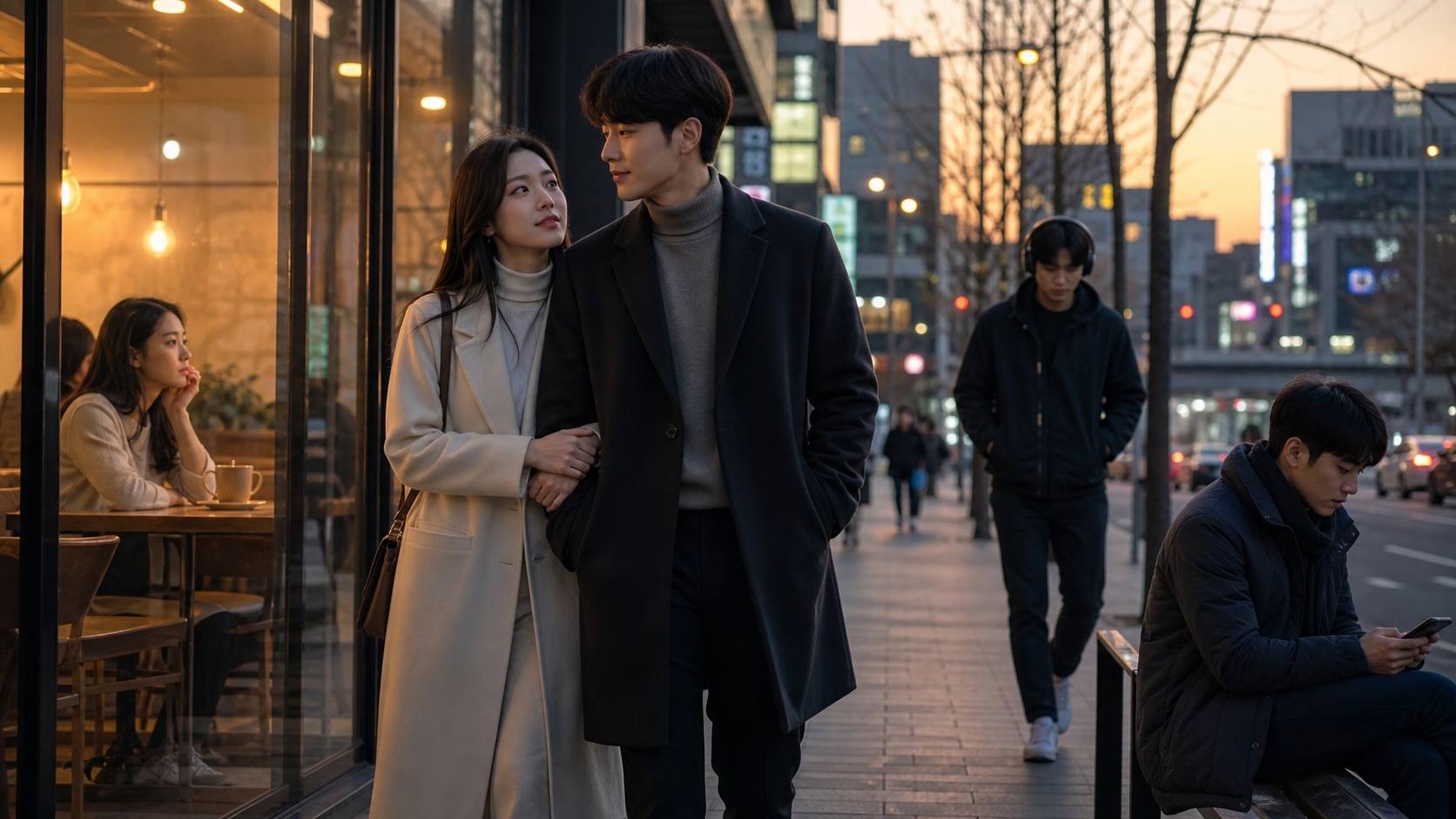
The clearest split in Korean young adults’ intention to marry comes down to one thing: whether they’re currently in a relationship. A report released in early September by matchmaking agency Duo, which analyzed domestic and international survey data, found that 85% of respondents currently dating said they want to marry, about 26 percentage points higher than single respondents. The share who plan to have children showed a similar pattern: 67% among those dating, versus roughly 12 points lower for people who aren’t. Once relationship status enters the picture, the gap in family planning is far sharper than when marriage and childbirth are treated as abstract values.
This doesn’t prove that dating itself causes people to want marriage and kids. It’s possible that people who already wanted to marry were simply more likely to start dating in the first place. Still, current relationship status and future family plans clearly move together in the data. Understanding attitudes toward marriage and childbirth means looking past personal values to the actual conditions under which people start dating at all. These findings point to the step before marriage, meeting someone and building a connection, as the part that deserves more attention.
Over Half of Both Men and Women Hope to Marry
The domestic data Duo cites comes from a 2024 survey of 1,000 unmarried men and women aged 25 to 39 in the greater Seoul area, commissioned by Hanwha Lifeplus Femtech Research Institute and carried out by Embrain. Wanting to marry was the majority view for both sexes: 79% of men and 63% of women. Men ran 16 points higher than women, but the overall numbers make it hard to argue that this generation is rejecting marriage outright. There’s a real gap between the perception that young people no longer want to marry and what they actually report.
More than half, 54.2%, said they aren’t currently dating. Yet 81% said they’d be willing to date in the future. A large single population, in other words, isn’t the same as widespread indifference to romance. The gap between people who want a relationship and people who actually have one is the more interesting question here. High willingness paired with a low dating rate points to a barrier in the doing, not the wanting.
Money and Opportunity for Men, Time and Emotion for Women
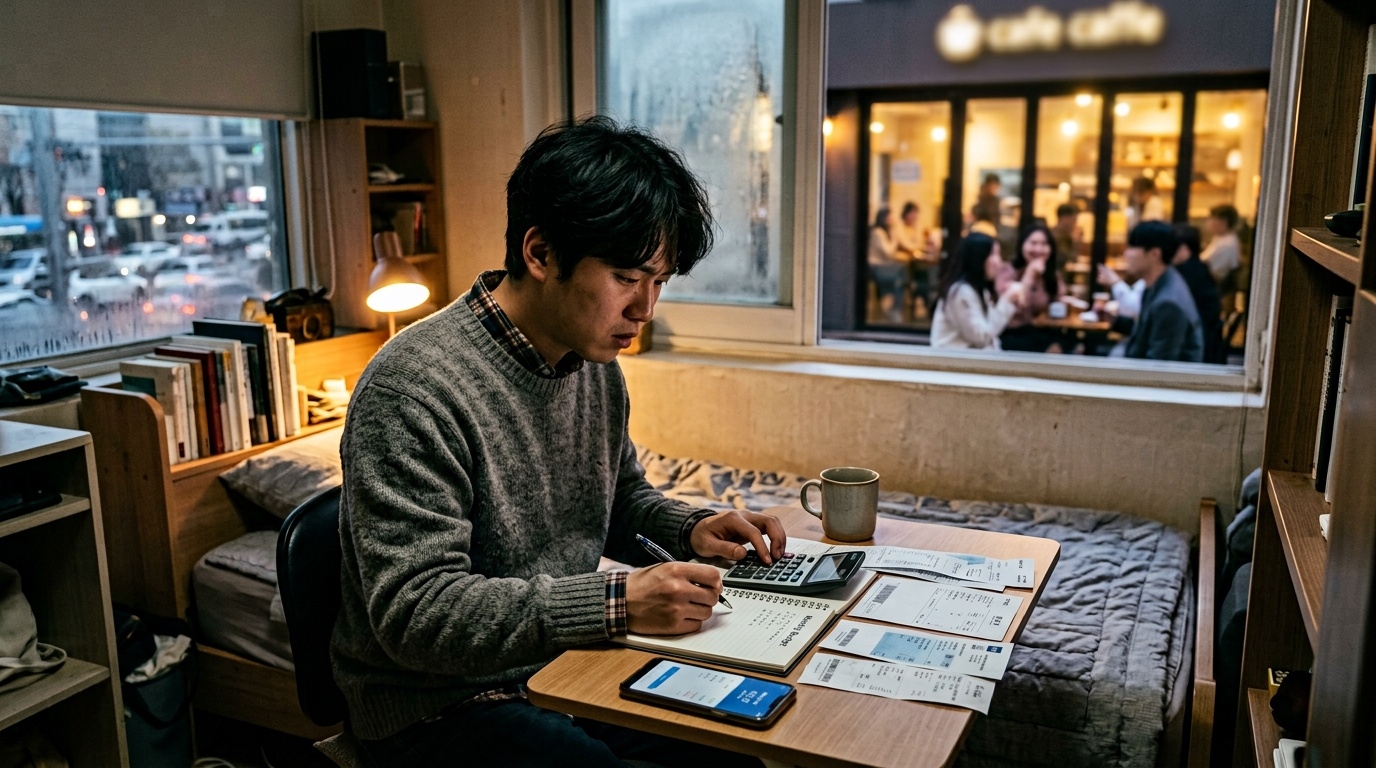
The reasons people give for not dating split along gender lines. Men most often cited a lack of financial breathing room (41.2%), followed by too few chances to meet people (36.7%). Dating in Korea tends to run through paid activities: meals, cafes, cultural outings. For young people without steady jobs or stable housing, the cost of dating itself becomes a barrier well before anyone thinks about a wedding. Anticipated expenses and a shortage of chances to meet someone compound each other before a connection even starts.
Women most often pointed to the comfort of having their own time (39.1%), followed by the emotional toll of building a new relationship (31.6%). That’s not the same as a lack of interest in dating. It reads more as weighing the hidden costs: adjusting your routine, building trust from nothing, and living with the uncertainty of someone new. Staying single, for Korean youth, often comes down to financial cost on one side and time and emotional labor on the other, and even within the same single population, men and women feel different pressure points.
Future Plans Shift Depending on Relationship Status
The gap between daters and non-daters showed up most clearly around marriage. Taking the 85% marriage intention among daters and the roughly 26-point gap at face value puts the marriage intention among non-daters at around 59%. A majority of single people still leave the door open to marriage, but the intention gets far more concrete once someone is actually in a relationship. That likely comes down to the difference between imagining a hypothetical spouse and planning around a real, current partner.
The same pattern showed up for childbirth. About 67% of people currently dating said they plan to have children, roughly 12 points higher than single respondents. Without a partner, marriage and childbirth can stay abstract risks, weighed down by housing and childcare costs. With a specific person in the picture, those same plans start to look like realistic choices. A current relationship gives people something to plan around. That said, the childbirth gap is smaller than the marriage gap, a reminder that a relationship alone doesn’t erase every practical burden.

A Gap Mirroring America’s ‘Dating Recession’
“State of Our Unions 2026,” a report from the Institute for Family Studies and the Wheatley Institute at Brigham Young University, finds a similar split between what people want and what they do. A survey of 5,275 single adults aged 22 to 35 in the U.S. found 51% wanted a new relationship, but only about 30% were actually dating. The share going on at least one date a month sat at 31%. The report called this a “dating recession,” a real demand for relationships that isn’t turning into actual encounters.
In the U.S. survey, the top obstacles were financial burden (52%), lack of confidence (49%), and bad past experiences (48%). Different demographics and survey questions mean the Korean and U.S. numbers can’t be compared directly, but the underlying pattern rhymes: young adults aren’t avoiding relationships because they don’t want them, but because money and psychological weight keep them from starting. The more telling number isn’t the gap between Korea’s 81% and America’s 51%; it’s that in both places, desire runs ahead of action. In very different societies, the struggle isn’t giving up on love. It’s getting it off the ground.
The Dating Entry Barrier Standing Before Marriage Policy
Conversations about marriage and childbirth in Korea have mostly focused on what comes after the wedding: housing, jobs, childcare costs. This data suggests the earlier step, actually meeting someone, deserves a look too. If young people lack financial breathing room, have few chances to meet new people, and feel worn down by the emotional weight of modern dating, wanting to marry won’t easily turn into an actual relationship. Between the number of people who want to marry and the number who do sits a real obstacle course of meeting, dating, and building trust.
Between wanting a marriage and actually having one lies the ordinary, necessary work of dating. That 85% of dating youth want to marry points to a connection that surveys focused only on marriage values tend to miss. The real question going forward isn’t just how to convince young people to marry, but how to build conditions where they can start relationships they trust without the heavy costs of time and money standing in the way. Understanding why young adults want relationships but hesitate to start them may be the better starting point for the wider conversation on marriage and birth rates.
Source: Electronic Times, September 2, 2026; Hanwha Lifeplus Femtech Research Institute & Embrain Survey, August 2024; Institute for Family Studies & Wheatley Institute ‘State of Our Unions 2026’, 2026.