Table of Contents
US Direct-Sales Giant Launches Korean-Made Skincare
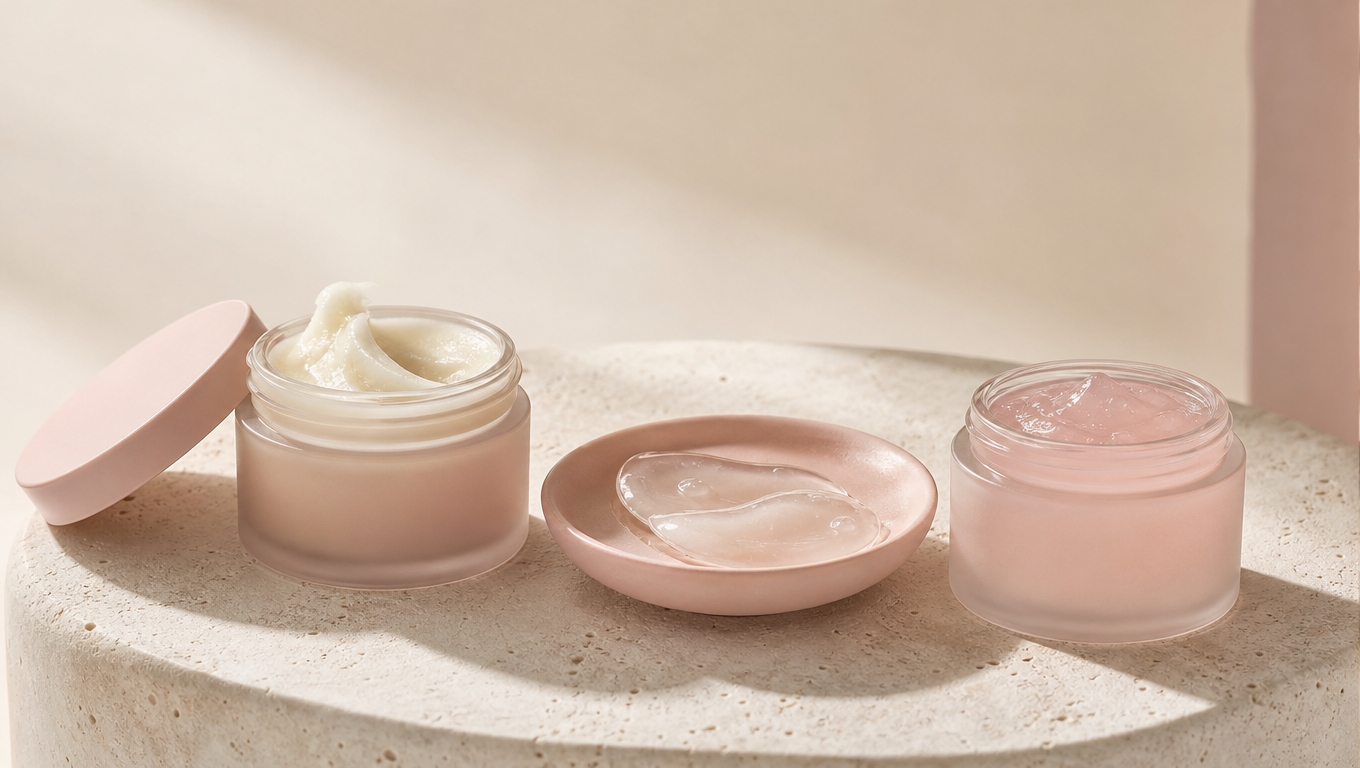
On October 5, US-based direct-sales beauty company Mary Kay unveiled its “K-Beauty Texture Edit,” a three-piece skincare collection manufactured entirely in South Korea. According to the company’s press release, the lineup features a cleansing balm, snail mucin face patches, and a collagen moisturizing gel. What matters here isn’t another Korean brand expanding overseas. It’s a global company folding Korean-made products and signature ingredients into its own lineup.
Mary Kay operates across 40 markets worldwide. The press release notes that this new collection will be available through the company’s website and its independent beauty consultants in participating global markets. The exact number of participating regions wasn’t stated, and it’s unclear if the launch timing is identical everywhere. What is clear is that this is a special-edition release available only while supplies last.
Unlike traditional retail where products wait on store shelves, direct selling relies on independent representatives introducing and selling items directly to consumers. Mary Kay has said it wants to reach younger shoppers while keeping these long-standing seller-customer relationships intact. Within that system, K-beauty doesn’t arrive as something foreign to learn. It shows up as a new option inside a catalog customers already trust. It combines Korean manufacturing with an established American sales network.
From PDRN to Snail Mucin: Inside the Three-Piece Lineup
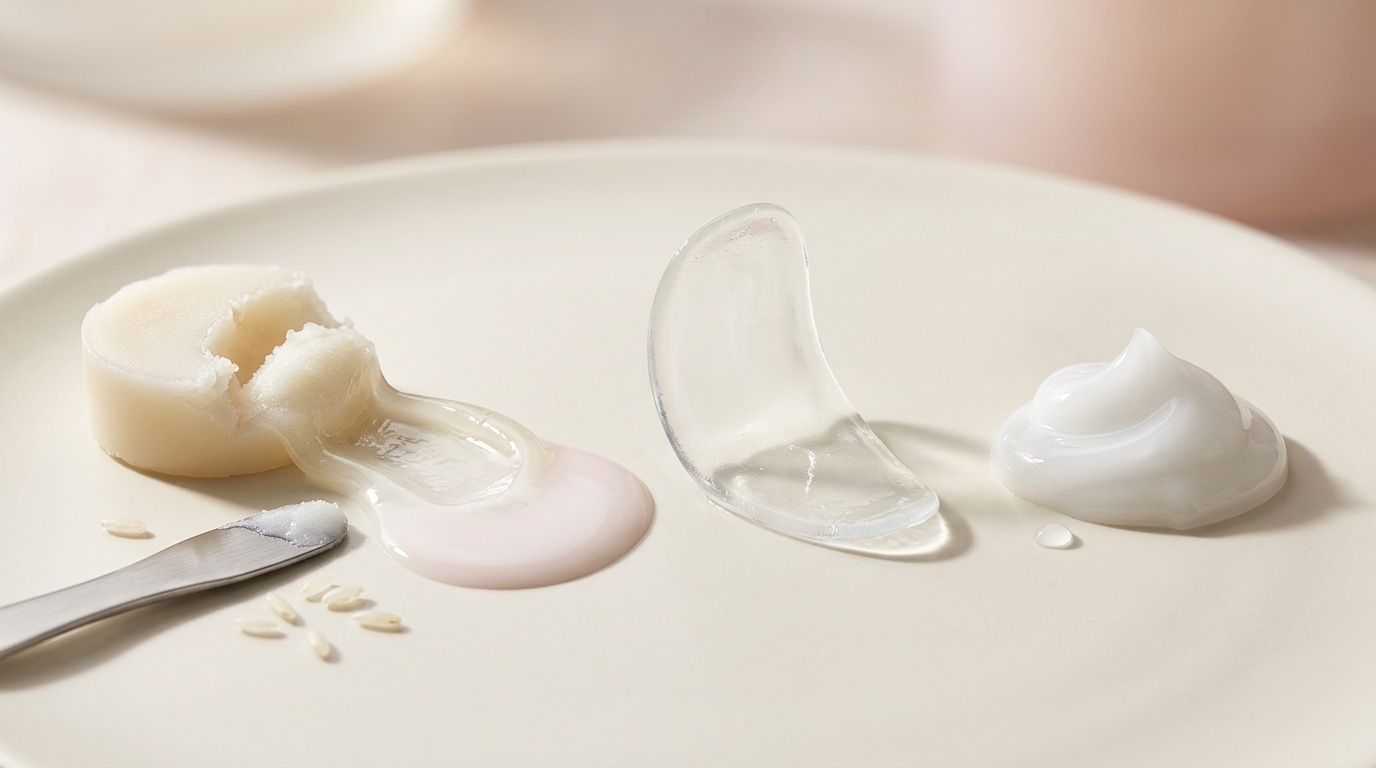
The “Melt-In Cleansing Balm” brings together PDRN, rice bran oil, and vitamin E. PDRN refers to a mixture of refined DNA fragments, which Mary Kay notes is derived from salmon DNA for this particular product. As a cleanser, it transforms from a solid balm into a smooth oil, and finally into a milky wash. The collection relies just as much on these shifting, tactile experiences as it does on the ingredient list.
The “Snail Gel Face Patch” is a moisture-rich hydrogel patch loaded with snail mucin, niacinamide, and hyaluronic acid. Rounding out the lineup is the “Collagen Moisturizing Gel,” which packs collagen peptides, niacinamide, and squalane. The company mapped these products to the familiar routine of cleansing, masking, and moisturizing, so users can try new ingredients without overhauling their existing skincare habits.
The routine itself is what the word “Texture” in the collection’s name is getting at. Rather than just handing over an ingredient list, Mary Kay is inviting users to experience a melting balm, a gripping gel patch, and a bouncy moisturizer. It’s worth noting that the claims about hydration and skin improvement come from the brand’s own marketing. The presence of these ingredients shouldn’t be read as guaranteed medical results or a promise that every user will see the same outcome.
A Digital Foundation to Reach Younger Consumers
Mary Kay has framed this launch as a way to build stronger connections with younger shoppers: keep the core brand familiar while using Korean skincare’s ingredients and sensory experience as a new entry point. This explains why the company keeps emphasizing its direct-sales roots. Instead of replacing the consultant model, the new products give sellers something new to talk about with their networks.
The press release also notes the expansion of “My Shop,” the company’s e-commerce platform. This tool gives independent beauty consultants a personalized storefront that connects payments, order fulfillment, and social media in one place. Customers can browse and buy online, while sellers keep managing their customer relationships through the same digital tools. The new K-beauty collection builds directly on this expanded sales system.
A Signal of Broader Adoption, Not Yet an Industry Standard
As another piece of its digital strategy, Mary Kay mentioned its AI-driven “Foundation Finder,” a tool that scans facial data to recommend a shade match. The tool isn’t designed to diagnose skin conditions or measure how well this new three-piece set works. The product launch and the digital tool are part of the same broader push, but nothing ties the AI technology directly to the new skincare line.
This release shows that the global reach of K-beauty goes beyond the export numbers of Korean-owned brands. When international companies adopt Korean manufacturing and signature ingredients into their own lines, consumers encounter K-beauty without buying a Korean brand at all. That said, a single company’s special-edition drop doesn’t mean PDRN or snail mucin are now universal standards across the industry. What’s worth watching is whether the buzz around this limited release turns into a lasting shift in how mainstream Western products are formulated.
Source: Mary Kay Press Release, distributed by Business Wire and published via AFP, October 5, 2026, https://www.afp.com/en/agency/inside-afp/external-press-releases/mary-kay-introduces-k-beauty-texture-edit.